Huguenot legacy in Manakin shaped Goochland County history
Manakin’s Huguenot sites are more than heritage markers: they still anchor eastern Goochland’s identity in churches, cemeteries and records that preservation can’t replace.
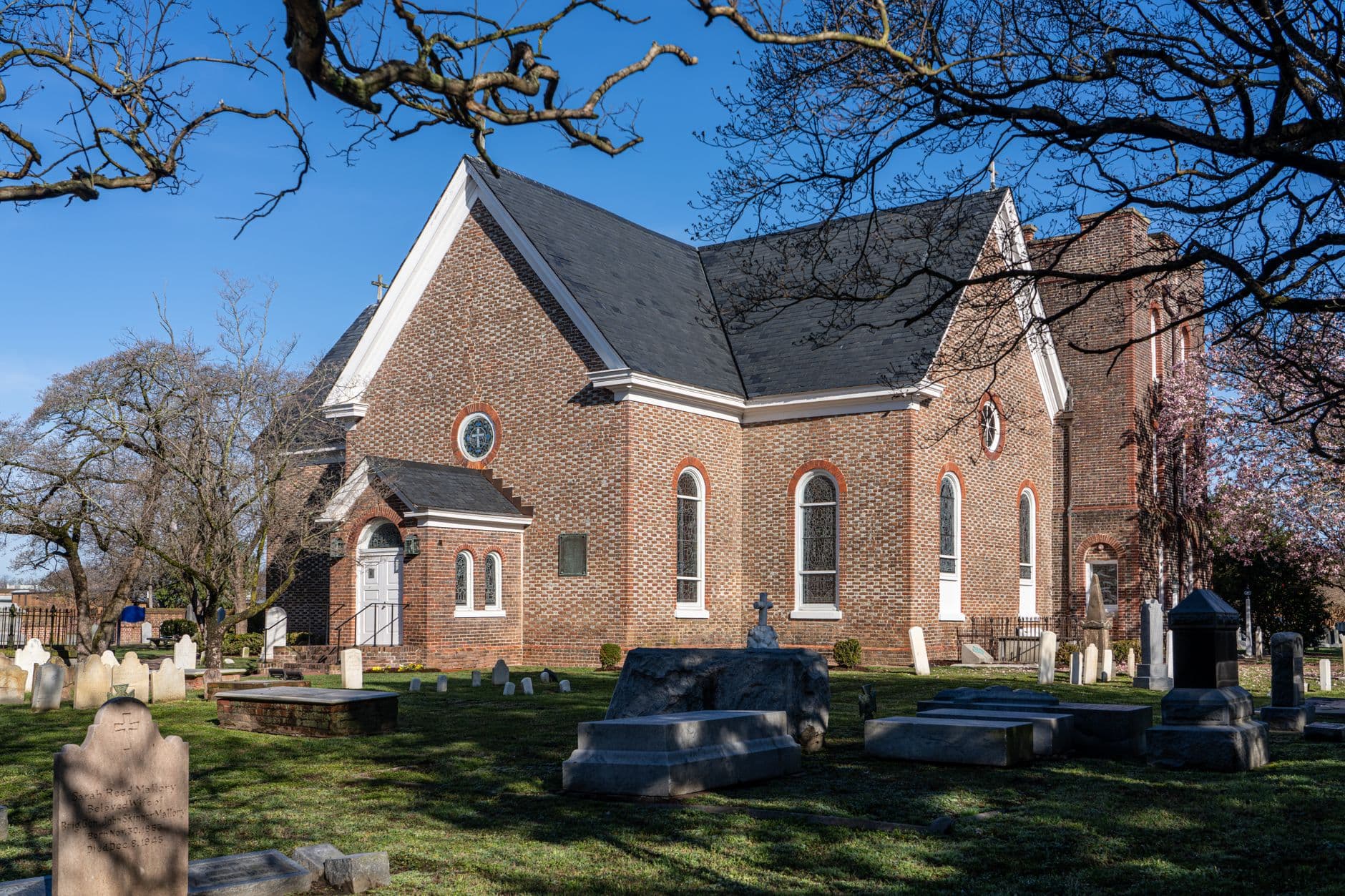
Manakin is one of Goochland County’s clearest links between colonial settlement and the places that still shape how the county remembers itself. The Huguenot Society of the Founders of Manakin in the Colony of Virginia, founded in 1922, keeps that record alive through a headquarters, a library, and a website built around Manakin’s history. In eastern Goochland, the stakes are not abstract: if the church grounds, cemetery records, and place names tied to this community fade, so does one of the county’s most legible threads from the 1700s to the present.
Manakin sits inside Goochland’s deeper timeline
Any account of Manakin has to start before the Huguenots arrived. Goochland County’s official history says the Monacan Tribe lived in the James River Valley long before the county was created, and identifies Rassawek, at the confluence of the James and Rivanna rivers, as the Monacan primary village. The county itself was organized in March 1727, when the General Assembly passed the act dividing Henrico Shire.
That chronology matters because Manakin is not Goochland’s first story, only one of its most visible colonial ones. Manakin Town was created in 1700 on the James River near present-day Richmond, and the settlement quickly became the focal point for French Protestant refugees who had fled persecution in Catholic France and came to Virginia by way of England. The town began with about 400 original settlers, then fell to fewer than 150 by 1705 as many families moved onto farms rather than staying in the town proper.
The Huguenot imprint is still visible in place and memory
What the Huguenots left behind was not just a settlement name. It was a pattern of religious, family, and land history that still defines how Manakin is understood in Goochland County. The Huguenot Society’s materials describe the Huguenots as French Protestants who followed John Calvin, and the society’s Manakin Church history page traces the church origins back more than 300 years to 1701.
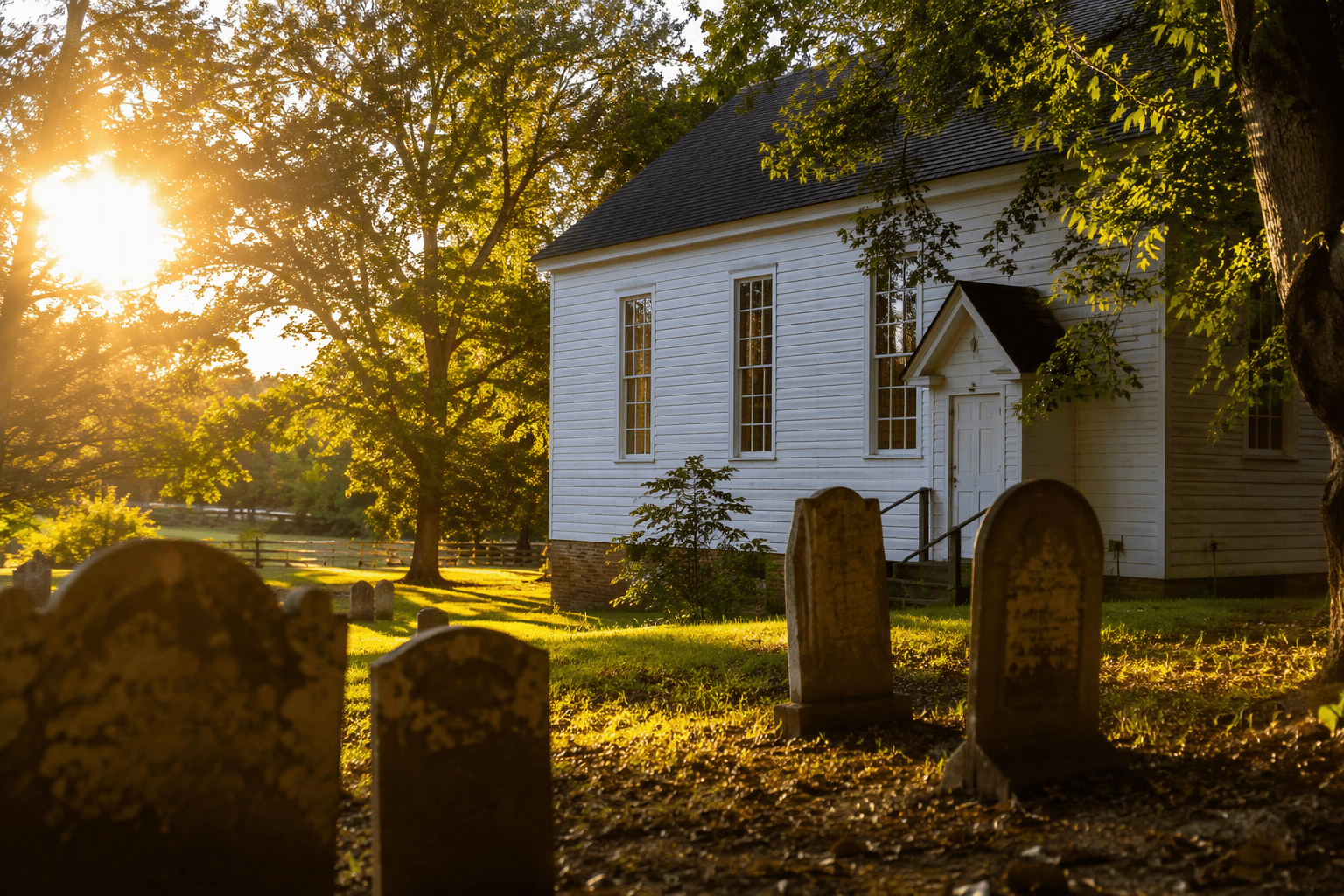
That church date gives the area a rare kind of continuity. It ties present-day Manakin to a specific congregation history rather than a generalized colonial past, and it makes the church one of the key anchors for anyone trying to understand how eastern Goochland took shape. James L. Bugg Jr.’s article, “The French Huguenot Frontier Settlement of Manakin Town,” published in the Virginia Magazine of History and Biography in October 1953, remains one of the central scholarly treatments of that settlement and its frontier setting.
The society is a working research center, not just a commemorative name
The Huguenot Society of Manakin’s website is organized around three core pages, “Manakin in the Colony of Virginia,” “Huguenot History,” and “Headquarters and Library.” That structure matters because it shows the organization’s role as a living research center for family history, local studies, and church records, not simply as a keeper of ceremonial memory. The society’s resources page says visitors can search selected books and articles, a library catalog, and an index of published genealogy material.
Those tools make Manakin especially useful to researchers who want to connect a place name to actual families and documents. The society also points genealogists to materials compiled by Ann Woodlief on Huguenot emigrants on the James River, drawing on parish records for Goochland and Powhatan counties, Priscilla Cabell Harris’s Turff and Twigg, and other sources. That means the Manakin story survives not only in oral memory or a roadside marker, but in catalogs, indexes, and published genealogical work that still support serious local research.
Churches, cemeteries, and monuments carry the history across county lines
Some of the strongest surviving evidence sits just beyond Goochland’s borders. The Library of Virginia resource list cited by the society includes tombstone inscriptions from the Manakin Episcopal Church Cemetery in Powhatan County, compiled in 2000, with burial dates ranging from 1872 to 1999. That range shows how the Huguenot legacy did not stop with the colonial era. It continued to shape family memory, burial practice, and historical record well into the modern period.
The Huguenot Memorial Chapel and Monument in Powhatan County adds another layer of preservation. It was erected in 1895, listed on the Virginia Landmarks Register on June 17, 1987, and added to the National Register of Historic Places on March 23, 1988. For Goochland residents, those designations matter because they show how the Manakin story has been preserved through churches, cemeteries, and landmark status across county lines, not just through one local institution.
What is at stake if preservation lags behind change
The value of Manakin’s Huguenot legacy is not nostalgia. It is the ability to trace how eastern Goochland was built from Indigenous settlement, colonial migration, religious refuge, and later local memory. If the church histories, cemetery inscriptions, library catalogs, and landmark sites lose context, the county is left with names but not the record behind them.
That is why Manakin still matters as a place-based guide to Goochland’s past and present. The Monacan village at Rassawek, the 1700 settlement at Manakin Town, the 1701 church tradition, the 1922 society, the 1895 chapel and monument, and the cemetery records spanning 1872 to 1999 together form a civic archive on the ground. In a county where identity is often carried in roads, churches, and family names, that archive is one of the few things that can still tell the full story.
This article was produced by Prism’s automated news system from verified source data, official records, and press releases, then run through automated quality and moderation checks before publishing. The system is built and supervised by the people who set the standards it runs under. Read our full AI policy.
Did this article answer your question?