Hickory Hills remains one of Michigan's rare city-owned ski hills
Hickory Hills gives Traverse City a rare city-owned ski hill, but it also works as a four-season public asset with youth access, Nordic racing and disc golf.
Hickory Hills sits in a narrow category in Michigan: a ski hill owned and operated by a city, not a private resort. That matters in Traverse City because the hill is not just winter recreation, but a public asset tied to affordable access, youth development, and the daily life of families across Grand Traverse County.
A city hill with a local origin story
The City of Traverse City has owned and operated Hickory Hills since 1952, when the ski area opened and replaced Ci-Bo Hill after two successful seasons. Ci-Bo had already made regional history as the first ski area in Michigan to offer night skiing, and Hickory Hills carried that municipal tradition forward instead of turning it into a private club.
The idea for Hickory Hills was inspired by Howelsen Hill in Steamboat Springs, Colorado, a ski area that has operated since 1915. Local builder Loren Bensley helped turn the concept into reality, and the city eventually secured 125 acres for recreational use. Those details help explain why the hill still feels rooted in community ownership rather than destination-resort culture.
Today, Hickory Hills is one of 34 parks and recreational properties managed by the Traverse City Parks and Recreation Department. The city places it about 2 miles west of downtown Traverse City, in the northwest corner of Garfield Township, where it serves residents from the city, Garfield Township and Grand Traverse County.
Why public ownership changes the experience
The city describes Hickory Hills as one of the few ski hills in Michigan still owned and operated by a municipality. That public structure shapes how the hill functions: it is built to serve area youth and residents, not to maximize private profit or court only advanced skiers.
That difference shows up in access and pricing philosophy, but also in the way the hill fits into civic life. A city-run recreation area can prioritize learning, local use and repeat visits in a way that larger commercial areas often cannot, which is part of why Hickory Hills remains a familiar first stop for kids entering snow sports. For Grand Traverse County, it is a place where winter recreation is still close enough, affordable enough and public enough to be part of ordinary life.
The hill also carries a public-health benefit that is easy to overlook. When a community-owned site makes skiing, snowboarding, snowshoeing and hiking available close to town, it widens the range of low-cost ways to stay active in winter, especially for families who may not have the time or budget for bigger, more commercialized recreation options.
What is there now
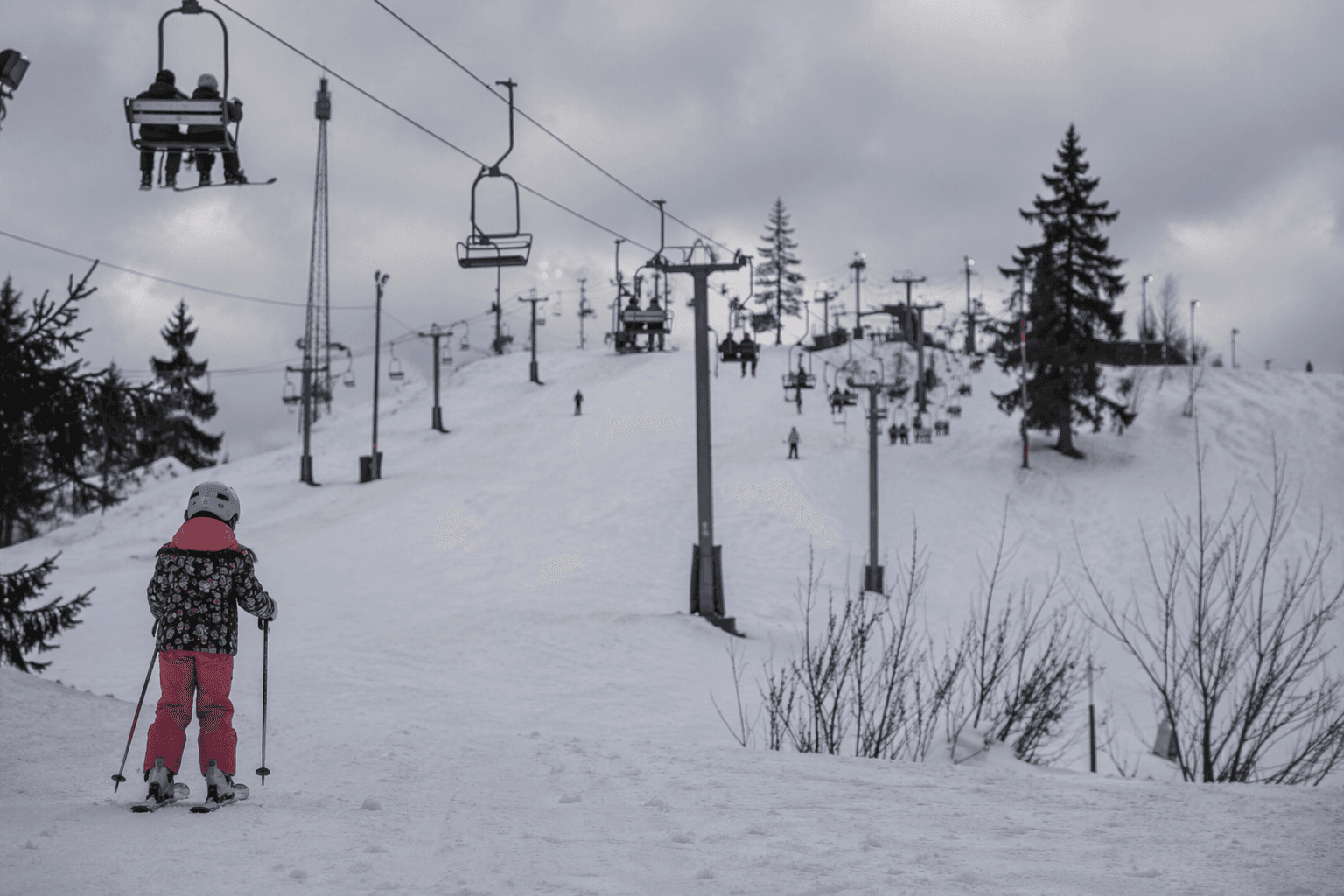
Hickory Hills offers 16 ski runs across beginner, intermediate and advanced terrain, plus a dedicated terrain park. The beginner slope, called Fast Tammy, is designed as a learning hill and features a conveyor lift, which makes the first days on snow less intimidating for new skiers and snowboarders.
The Nordic side is just as central to the hill’s identity. Hickory Hills has a 5k cross-country trail system and a 1k lighted loop for night skiing, which extends the usable hours for local families, student athletes and anyone squeezing recreation into the short winter daylight. In November 2023, the city announced that the Nordic course received International Ski and Snowboard Federation homologation certification, and the city says it is the only homologated cross-country ski course in Michigan.
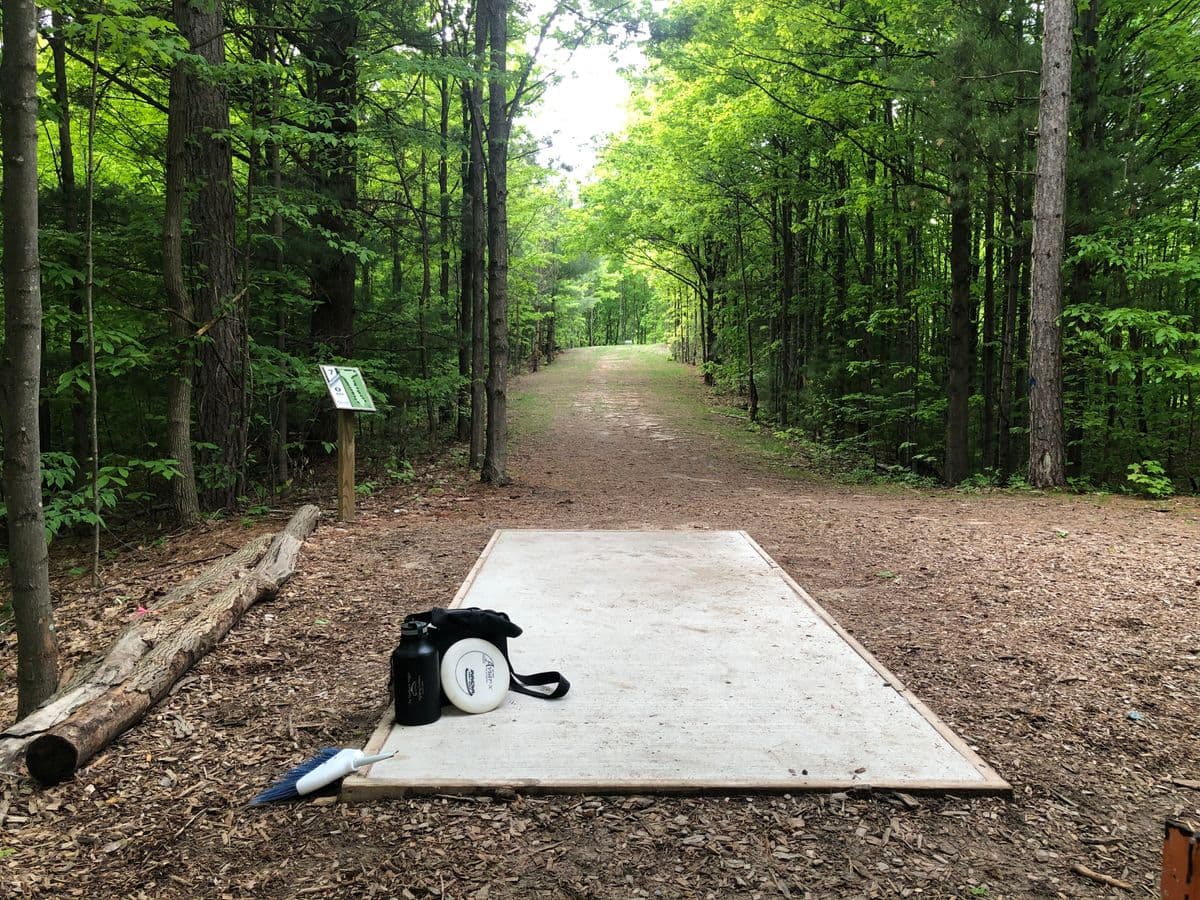
The disc golf side has grown into a year-round draw of its own. The Hickory Hills Disc Golf Course has two 18-hole layouts, and new baskets were installed for the 2024 season. Add the hiking trails, the mountain-bike potential and the dog-walking traffic that comes with a city park, and the hill functions as more than a winter facility: it is a four-season public landscape.
From the top of Swede slope, visitors can look out over Grand Traverse Bay and downtown Traverse City. That view helps explain why Hickory Hills works even when snow is thin or the skis are stored away. The landscape itself is part of the draw.
The hill keeps evolving
Hickory Hills has not stayed frozen in its 1950s shape. By 2018, the site had a new lodge, a new maintenance building and expanded ski terrain, and the city says it has continued to improve snowmaking. Officials are still looking at ways to expand snowmaking coverage to more terrain, which would lengthen the season and improve reliability in winters that do not cooperate.
The hill’s ski patrol during alpine and Nordic season adds another layer of access and safety. For a public recreation area that welcomes beginners, families and experienced skiers alike, that patrol presence is part of what makes the site feel usable rather than merely scenic.
The next phase is already moving
The city is advancing Hickory Hills Master Plan Phase 2 with Preserve Hickory, Norte and local mountain bike riders. The focus is on accessibility, multi-purpose use and four-season recreation, which lines up with the way the hill is already used by skiers, disc golfers, walkers and riders.
That plan is not abstract. The city issued a request for proposals for Hickory Hills Mountain Bike Trail Design and Build, with bids due July 10, 2026. That keeps the project active and signals that the hill’s future is being shaped now, not someday later.
For Traverse City, the real question is whether Hickory Hills is being leveraged to its full public value. It already works as affordable winter recreation, a youth pipeline into snow sports and a four-season amenity with a clear local identity. In a county where bigger recreation options can pull attention and spending away from the city core, Hickory Hills remains one of the few places where civic memory, public health and outdoor access all meet on the same hill.
This article was produced by Prism’s automated news system from verified source data, official records, and press releases, then run through automated quality and moderation checks before publishing. The system is built and supervised by the people who set the standards it runs under. Read our full AI policy.
Did this article answer your question?