Music House Museum showcases Acme farm history and automated music
Music House Museum turns an 1880s Acme farm into a living stop for automated music, drawing day-trippers off the Traverse City circuit.
The Music House Museum stands out in Grand Traverse County because it is not just a museum in an old building, but a preserved piece of the Stiffler Family farm, where the land was cleared and settled in the early 1880s. The former dairy barn now holds the main collections, and the granary serves as the entrance, so the setting itself is part of the story visitors come to hear.
From farm country to a visitor stop
The site’s agricultural past helps explain why it feels different from a standard heritage stop. After World War II, the farm shifted from dairy use to orchard-crop production, then in 1979 David Stiffler and Dean Junker formed D and D Enterprises to turn the property into a public museum. The Music House made its grand debut in 1983 after the barn was adapted into exhibit space, and that conversion gives the county a rare example of working farm structures reimagined for cultural tourism.
That matters locally because Grand Traverse County’s visitor economy is built on more than beaches and wine stops. A place like the Music House gives travelers another reason to spend time in Acme, Williamsburg, and the wider corridor east of Traverse City, where a museum visit can be paired with other day-trip stops instead of ending after a quick photo. The museum’s own materials position it as one of the best music museums in the world, and it has also been promoted as one of the top 15 museums in Michigan.
What automated music means here
The collection centers on automated musical instruments and self-playing instrument technology, which makes the museum unusual even by regional museum standards. Visitors can experience the sounds, science, history, artistry, and engineering behind devices that played music before streaming, recordings, and digital systems changed home entertainment. That is a preservation challenge as much as a display choice, because the instruments have to remain operable to do what they were built to do.
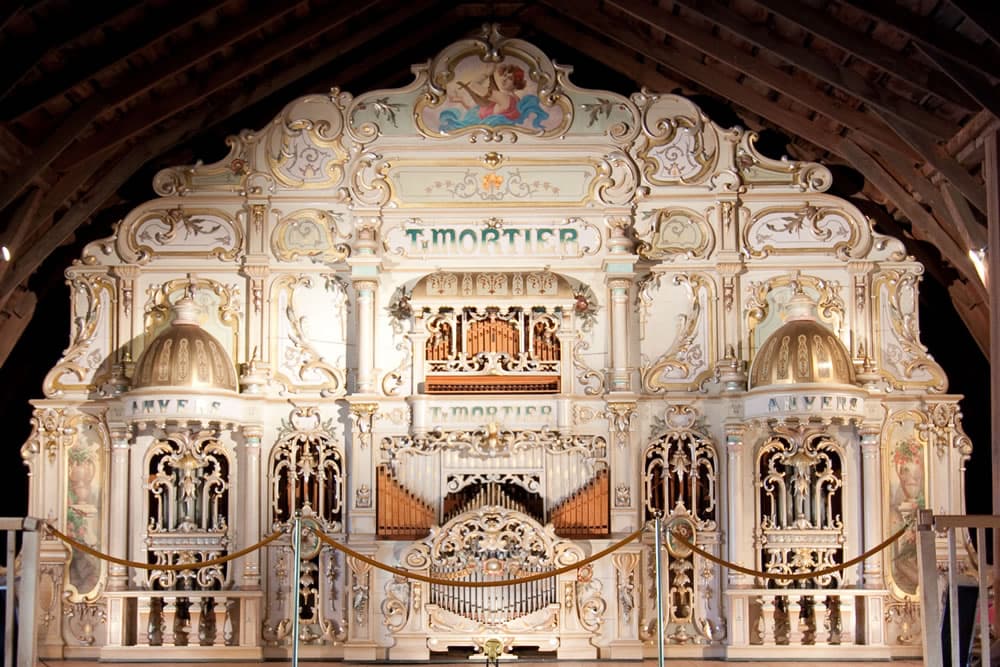
The lineup includes a Belgian dance organ, nickelodeons, music boxes, player pianos, pipe organs, the Wurlitzer Theater Organ, and a Weber reproducing piano. Those are not passive artifacts behind glass. The collection is presented as a living performance space, and the museum has built its programming around concerts, silent movies, and special events that show how the instruments work in motion.
For visitors, that means the experience is closer to a demonstration hall than a conventional museum walk-through. The museum’s appeal comes from hearing the mechanisms as well as seeing them, which helps explain why it attracts people interested in music history, mechanical engineering, and restoration work all at once. That mix is part of what makes the property valuable to the county’s tourism economy, since it broadens the kinds of trips Acme can support.
What to expect on a visit
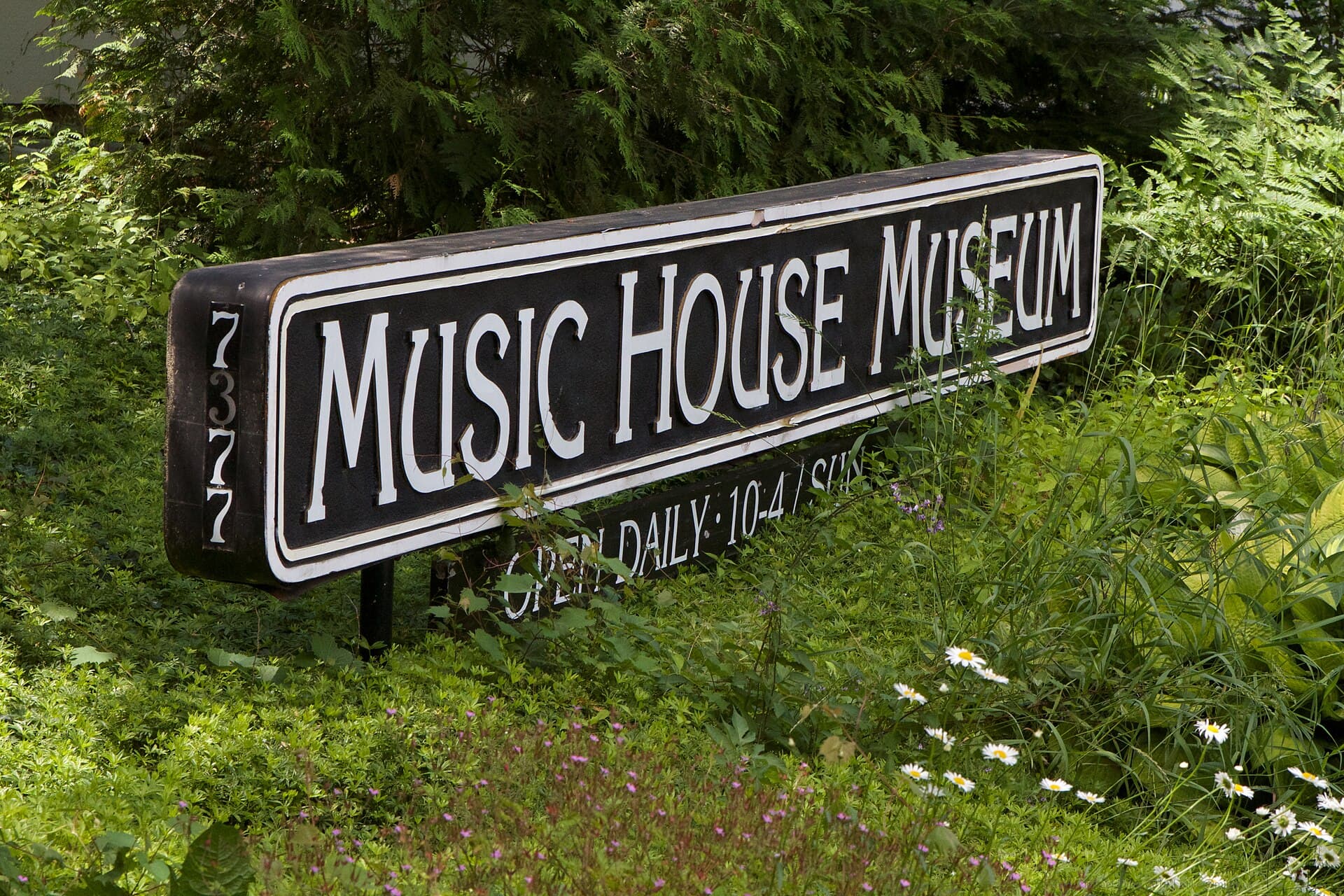
The museum is at 7377 U.S. 31 North in Williamsburg, Michigan 49690, with a mailing address of P.O. Box 297, Acme, Michigan 49610. Its seasonal hours are June through October, Tuesday through Saturday, 10:00 a.m. to 4:00 p.m. Guided tours typically run one to one-and-a-half hours, and the final tour during the listed schedule begins at 2:30 p.m.
Admission is published on the museum’s ticketing page: adults $20.00, children $8.00, seniors $17.50, veterans $13.00, and a family rate. Those prices make it a relatively accessible add-on for families and tour groups already spending the day in northern Michigan, especially for visitors who want a structured activity with a clear start and end rather than a casual stop.
- Adults: $20.00
- Children: $8.00
- Seniors: $17.50
- Veterans: $13.00
- Family rate available
The museum planned to return to regular Tuesday-through-Saturday docent-led tours on June 2, 2026 after restoration and renovation work. Even during that period, it said concerts and special events would continue, which kept the site active rather than closed off while work moved forward. That kind of phased preservation matters in a place like Acme because it lets the museum keep drawing traffic while protecting the collection and the buildings that house it.
Why people make the trip
The draw is not only the collection itself, but the kind of audience it attracts. A Northern Express feature in August 2023 described a tour bus loading visitors, which suggests the museum pulls organized day trips as well as individual drop-ins. It is also promoted by Traverse City Tourism and the Sleeping Bear Dunes Visitors Bureau, placing it within the broader northern Michigan itinerary that many visitors use when they base themselves in Traverse City.
That wider geography helps the museum serve a niche the county does not get from standard heritage stops. Travelers coming for beaches, wineries, trails, or the Boardman River corridor can add a stop that is quieter, more specialized, and more rooted in local history than a typical roadside attraction. For Acme and Williamsburg, that means museum traffic can support nearby spending on fuel, food, and other errands that happen when visitors build a full day around the stop.
Public sentiment on the museum’s own Facebook page showed a 98% recommendation rate in the search results, which fits the museum’s reputation for guided interpretation and live demonstrations. Reviews on Tripadvisor and Yelp have highlighted knowledgeable tours and performances, reinforcing the idea that the experience is built around hearing and watching the machines in action rather than simply reading labels.
Scheduled events keep the site active
The museum’s 2026 event listing shows that the property continues to function as a performance venue. Mulebone is scheduled at the Music House on July 22, 2026, followed by a Music House Museum Family Fun Day on July 26, 2026. Organist Dave Calendine is set to accompany silent film shorts on August 7, 2026, a format that fits the museum’s focus on self-playing and mechanical music.
Those dates matter because they show the museum is not only preserving objects, but sustaining a use for them. Silent films, organ performances, and family programming turn the old farm buildings into an active destination, which helps explain why the institution still matters in county tourism planning. It is a niche attraction, but in a region where visitors spread their time across multiple small stops, that niche is exactly what keeps Acme on the map.
This article was produced by Prism’s automated news system from verified source data, official records, and press releases, then run through automated quality and moderation checks before publishing. The system is built and supervised by the people who set the standards it runs under. Read our full AI policy.
Did this article answer your question?