Greensboro activist says city attorney threatened legal action, council stays silent
Jason Hicks said Lora Cubbage told him council had approved legal action against him, and officials stayed silent when asked.
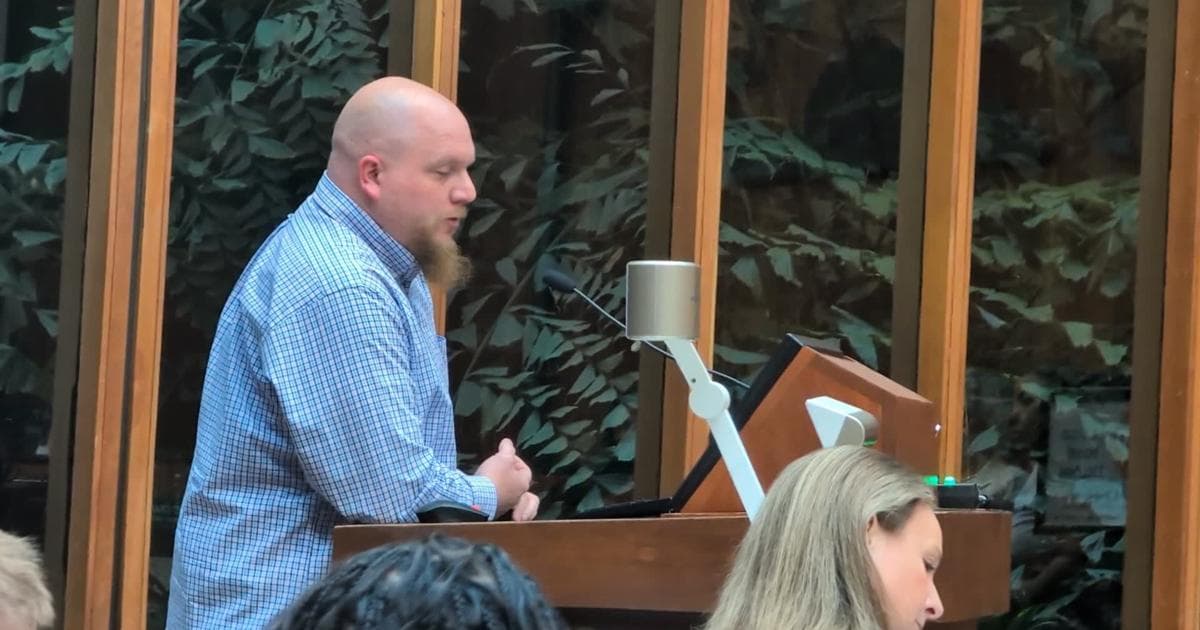
Greensboro activist Jason Hicks told the City Council that City Attorney Lora Cubbage had warned him she had permission to take legal action against him and other city critics, and council members declined to answer when pressed on the claim.
In a July 27 video posting, Hicks said Cubbage had called him 12 days earlier and told him directly on the phone that her council had already given her permission. The video description says council members declined to respond when asked about the allegations. A Greensboro News & Record video item carried the same title, underscoring that Hicks raised the dispute in public rather than in a private exchange.
Cubbage’s position makes the allegation more than a personal fight. Greensboro appointed her city attorney in July 2025, placing her in a role that can shape how the city responds to lawsuits, complaints and criticism from residents. If Hicks’s account is correct, the central question is whether elected officials authorized the city’s legal office to move against a critic, and whether that authority was aimed at one dispute or a wider group of opponents.
That question lands in a city already under heavy scrutiny. Greensboro City Council has faced repeated public pressure over housing assistance funding, a proposed data-center moratorium, police chief hiring and ethics allegations. Against that backdrop, any move to threaten legal action against outspoken residents would carry a message beyond the individual case, especially for activists who regularly use council meetings to challenge city policy.
The legal threshold at the center of the dispute is whether a complaint “states a claim,” language tied in local posts to city resolutions 2021-172 and 2026-100. If Greensboro is acting only when a filing fails that test, the city can argue it is enforcing procedure. If the effort reaches farther, the precedent could chill future criticism of city officials by signaling that repeated public pressure may draw legal retaliation instead of public .
This article was produced by Prism’s automated news system from verified source data, official records, and press releases, then run through automated quality and moderation checks before publishing. The system is built and supervised by the people who set the standards it runs under. Read our full AI policy.
Did this article answer your question?