Guilford County budget at risk as state delays property revaluations
Guilford County’s next budget could be rewritten by a state bill that freezes new property values, threatening funding for schools, EMS and the sheriff’s office. Homeowners may dodge a sharper tax jump, but county leaders warn the bill could shift the burden and squeeze services.
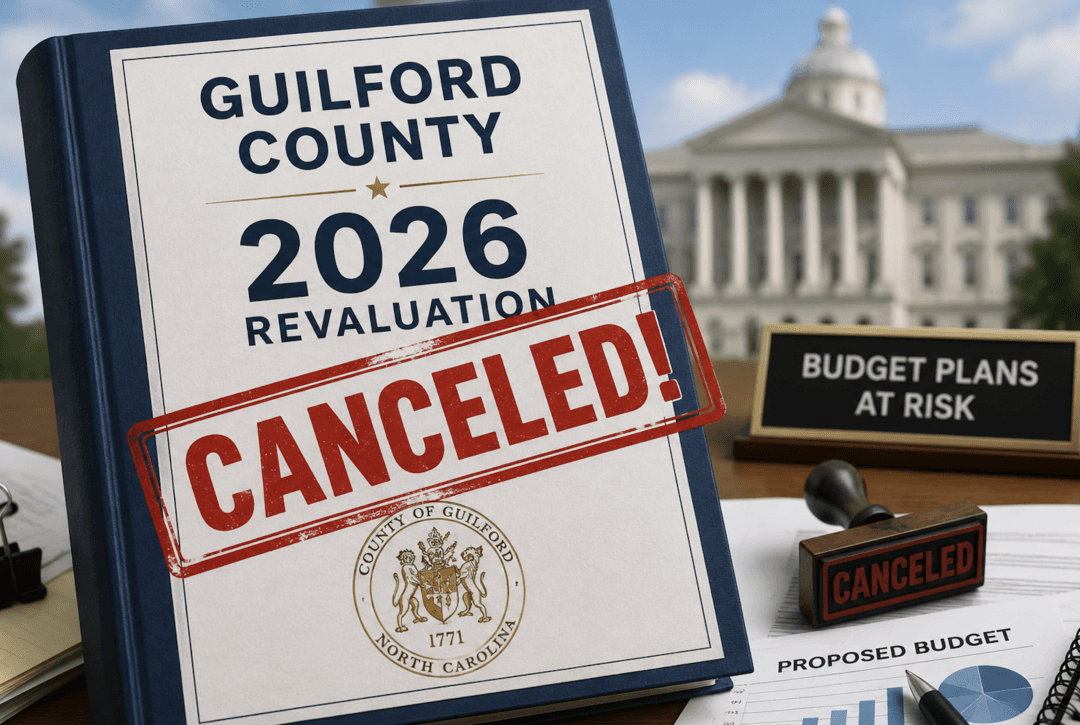
Guilford County’s budget plan is being built on shaky ground as Raleigh moves to delay property revaluations in 11 counties, including Guilford. Senate Bill 889 would force counties with reappraisals effective Jan. 1, 2026, to keep using older schedules of value for the 2026-27 fiscal year, then continue using those 2026 values until the next general reappraisal. For Guilford, where roughly 220,000 parcels are being reassessed, that could upend the county’s tax base just as commissioners try to lock in next year’s spending plan.
The timing is the problem. County Manager Victor Isler presented a recommended 2026-27 budget on May 7 that totals $1.1 billion, with a General Fund of $935,455,000 and a proposed property tax rate of 61.90 cents per $100 of assessed value, down 11.15 cents from the prior year. The county’s budget calendar sets a public hearing for June 4 and anticipated adoption for June 18. If the moratorium becomes law before that vote, department heads may have to cut requests and the county manager could be forced to recalculate revenue assumptions tied to the new tax base.
County leaders say the stakes go far beyond bookkeeping. Commission Chair Skip Alston warned that the change would affect services people depend on, including EMS, the sheriff’s office, schools and social services. Guilford County says it is one of the fastest-growing counties in North Carolina, with tens of thousands of jobs expected to arrive, and officials argue that growth brings more pressure on classrooms, emergency response and human services. Delaying the revaluation, they say, may slow the tax shock for homeowners but also leave the county with less room to hire staff or add resources for the growth already under way.
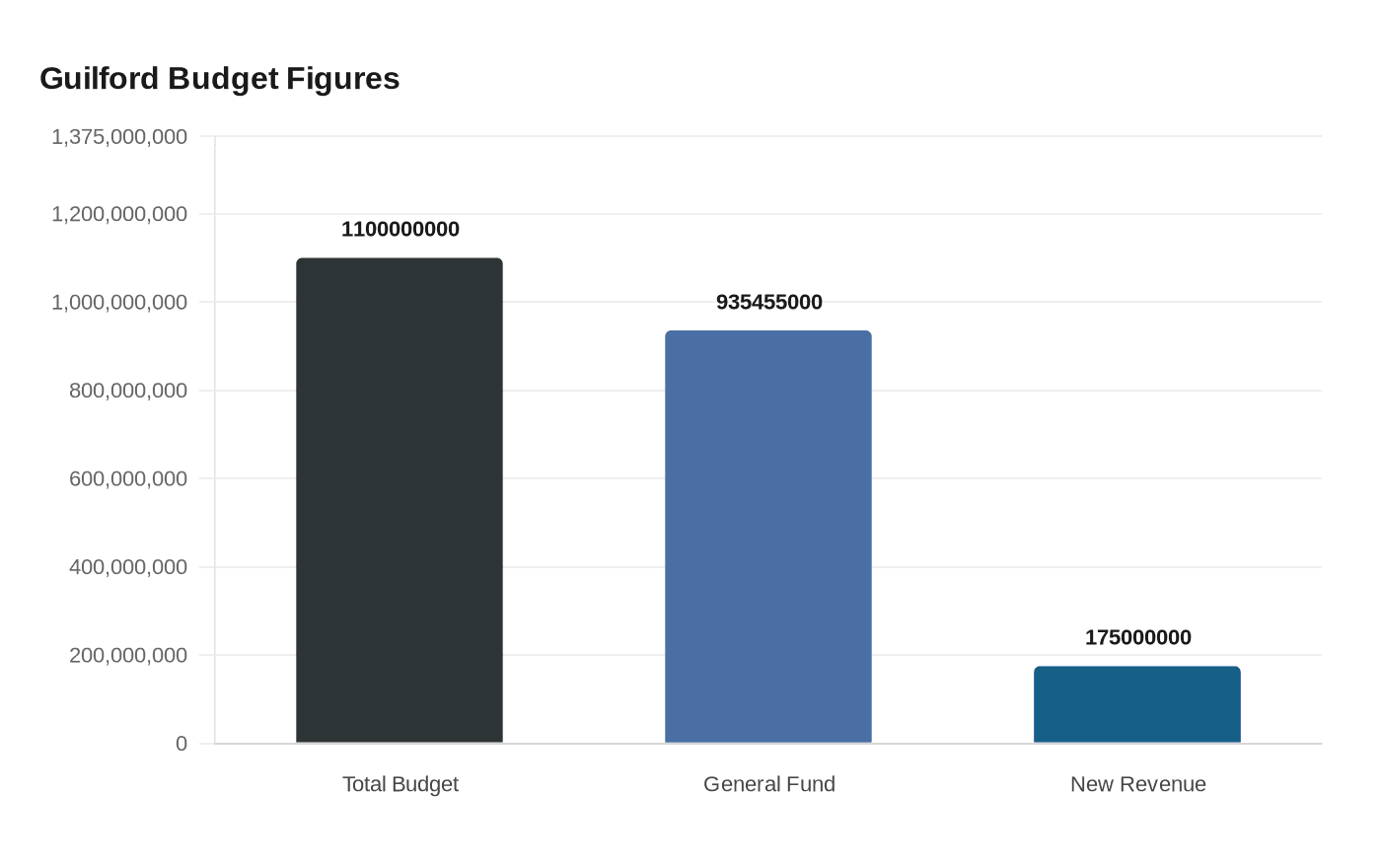
The political fight is also about money already on the table. Local reporting has said Guilford’s 2026 revaluation could generate about $175 million in additional revenue if the tax rate stayed the same, though commissioners have said they will not keep all of that new money. The county’s reappraisal was triggered after the countywide sales ratio fell below the 85% threshold in state law, a sign that older tax values had drifted too far from market prices. Guilford says its assessors used county maps, aerial photography, street-level images, sales analysis and field visits to keep values equitable and uniform, as required by state law.
For homeowners, a delay could mean one more year before the full impact of rising values hits the tax bill. For Guilford County, it could mean postponing the hard choices rather than avoiding them, with school funding, staffing and service levels all caught between state politics and a fast-changing local housing market.
Know something we missed? Have a correction or additional information?
Submit a Tip