How Cone Mills shaped Greensboro, and Cone Health’s legacy in Guilford County
Cone Mills helped build Greensboro’s industrial core, and Cone Health keeps the Cone name tied to jobs, land, and care across Guilford County.
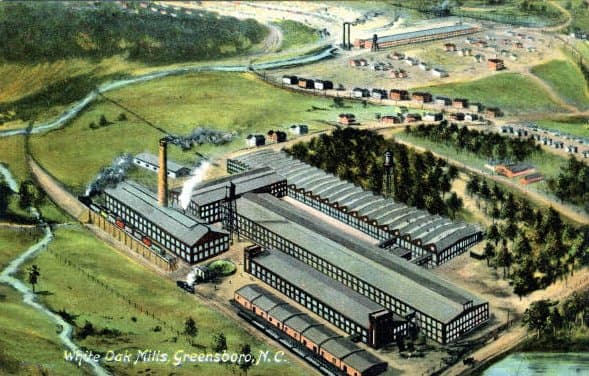
Greensboro’s textile foundation
Cone Mills was never just another factory story. In Greensboro, it became part of the city’s economic architecture, linking land, labor, and local identity in ways that still matter in Guilford County today. The Cone name now appears most visibly in health care, but its roots run through the textile boom that helped Greensboro grow into North Carolina’s third-largest city, with an estimated 302,296 residents in 2023.
That growth happened in a state where textiles had already become one of the most important industries by the early nineteenth century, according to NCpedia. By the mid-1890s, the Cones’ company was serving about 90 percent of the South’s mill owners, a sign that Greensboro was not just participating in the textile economy but helping organize it. The result was a city whose industrial expansion shaped everything from jobs to neighborhoods to the way outsiders still read the Cone name.
The denim deal that tied Greensboro to a global brand
The local story became globally durable when Ceasar Cone and a Levi Strauss relative struck a deal around 1915 that made Cone Mills the exclusive denim supplier for Levi’s 501 jeans. Levi Strauss & Co. says it began buying denim from Cone Mills in Greensboro around that time, and later relied on Cone Mills exclusively for the 501 line. That partnership lasted for roughly 80 years and helped make Cone Mills the largest denim producer in the world.
The timing mattered because the Levi’s brand was already becoming an icon. The rivet patent that helped define the jeans went into the public domain in 1890, and the 501 numbering system was already in use by 1897. Cone Mills then became the local engine behind a product with national reach, turning Greensboro denim into part of an everyday American uniform.
Technical changes from Cone Mills also shaped how denim looked and felt. Levi Strauss & Co. says Cone Mills introduced 10-ounce red selvedge denim exclusively for the 501 in 1927. Around 1984, Cone Mills adopted wider looms, changing selvedge production as denim demand evolved. The company’s long-chain dye range, patented in 1921, is still used to dye the vast majority of denim worldwide, which shows how a Greensboro-linked innovation outlived the mill era itself.
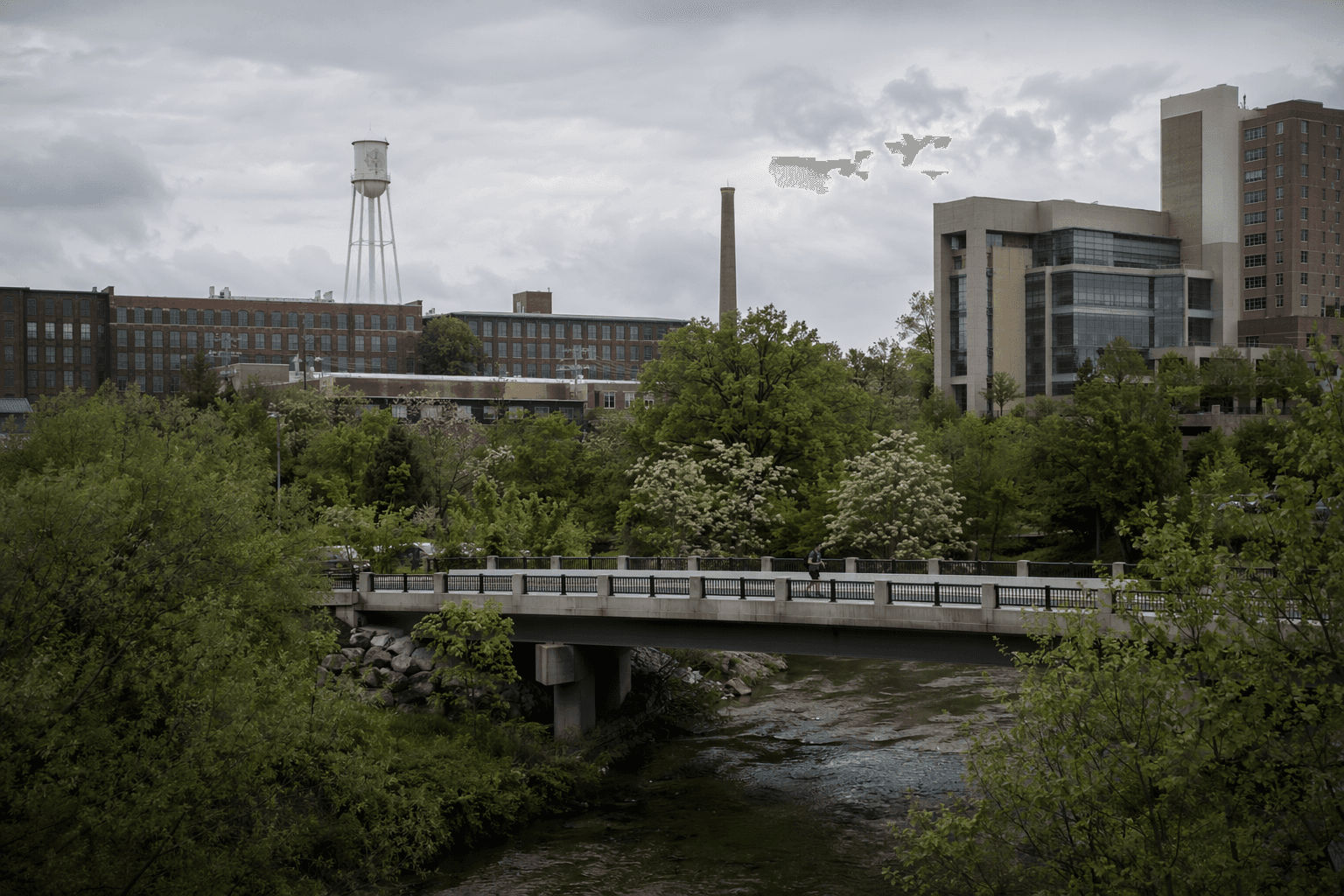
How the mills shaped workers, wages, and the city
The Cone story is also a story about power. NCpedia’s mill-village history helps explain why the details matter: textile company villages often gave owners strong control over workers’ lives through housing, stores, and daily routines. Against that backdrop, the article’s point that Cone paid workers in U.S. dollars rather than company script was significant because it gave employees more freedom and less dependence on the company store.
That structure helped define a broader industrial Greensboro. The article notes that the city’s population tripled between 1890 and 1900, a period when textile work was expanding quickly. Cone’s operations were not limited to looms and dye ranges either. Schools, churches, bands, and sports teams fit the broader mill-town model of building a whole social system around the factory floor, not just a payroll.
For Guilford County, that legacy still shows up in the landscape and in the way local history gets told. Greensboro was founded in 1808 and remains the county seat, but the industrial era gave the city a much larger identity than its founding date alone would suggest. The Cone family became part of the story of how Greensboro moved from a county town to a regional industrial center.
From mills to medicine: the Cone family and Cone Health
The Cone legacy did not stop with textiles. Shortly after Moses Cone died in 1908, Bertha Cone established a trust fund in 1911 to build a hospital memorial to him. That decision turned family wealth from manufacturing into a long-term health care institution, and it is one of the clearest examples of how the Cone name moved from mill ownership into civic infrastructure.
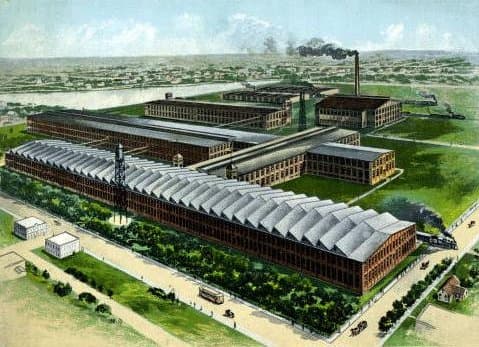
The Moses H. Cone Memorial Hospital opened to the public on February 25, 1953. At the start, it had 231 employees, 53 of its 310 beds in service, and its first patient was a toddler with a respiratory infection. Cone Health says the hospital is now the largest and most comprehensive medical center in Greensboro and the surrounding five-county area, and the system says it employs more than 13,000 people across that region.
That scale matters in Guilford County’s economy. Cone Health is described in the article as the largest private employer in the county, which means the Cone name still reaches far beyond memory or branding. It is embedded in paychecks, medical access, and the regional labor market in a way that keeps the family’s influence present in daily life.
Land, legacy, and the Cone name beyond Greensboro
The Cone family’s reach also extended into land ownership and conservation. Moses H. Cone and Bertha Cone built Flat Top Manor at what is now Moses H. Cone Memorial Park in Blowing Rock, with nearly 3,600 acres eventually assembled for the estate. The family donated the property to the National Park Service in 1949, preserving a huge piece of land that linked private wealth to public use.
That combination of industry, health care, and land helps explain why the Cone name still resonates in Guilford County. It stands for more than old mills or old money. It marks the industrial logic that shaped Greensboro’s growth, the medical institution that still anchors care across five counties, and the civic identity that grew out of both.
For Greensboro today, the Cone story is not a relic. It is part of the city’s operating system, visible in jobs, institutions, and the long afterlife of a textile empire that helped define how Guilford County was built.
This article was produced by Prism’s automated news system from verified source data, official records, and press releases, then run through automated quality and moderation checks before publishing. The system is built and supervised by the people who set the standards it runs under. Read our full AI policy.
Did this article answer your question?