Baytown Debate Coach Charged With Creating AI Deepfake Sexual Images
A Lee College debate coach in Baytown is charged with using a teen's Instagram screenshots to generate AI deepfake sexual images, with a juvenile among his alleged victims.

When Rigoberto "Rigo" Silva Ruiz's then-girlfriend picked up his phone, she found something that would set off a criminal investigation reaching into Lee College's campus and into a rapidly escalating national crisis over artificial intelligence and sexual exploitation.
Ruiz, 30, a longtime debate coach at Lee College in Baytown, has been charged with unlawful production or distribution of certain sexually explicit media under Texas Penal Code Section 21.165, according to court records. He faces two alleged victims: an adult woman known to both Ruiz and his girlfriend, and a juvenile female, a mutual friend of his girlfriend, whose Instagram screenshots Ruiz allegedly used to generate explicit images of her.
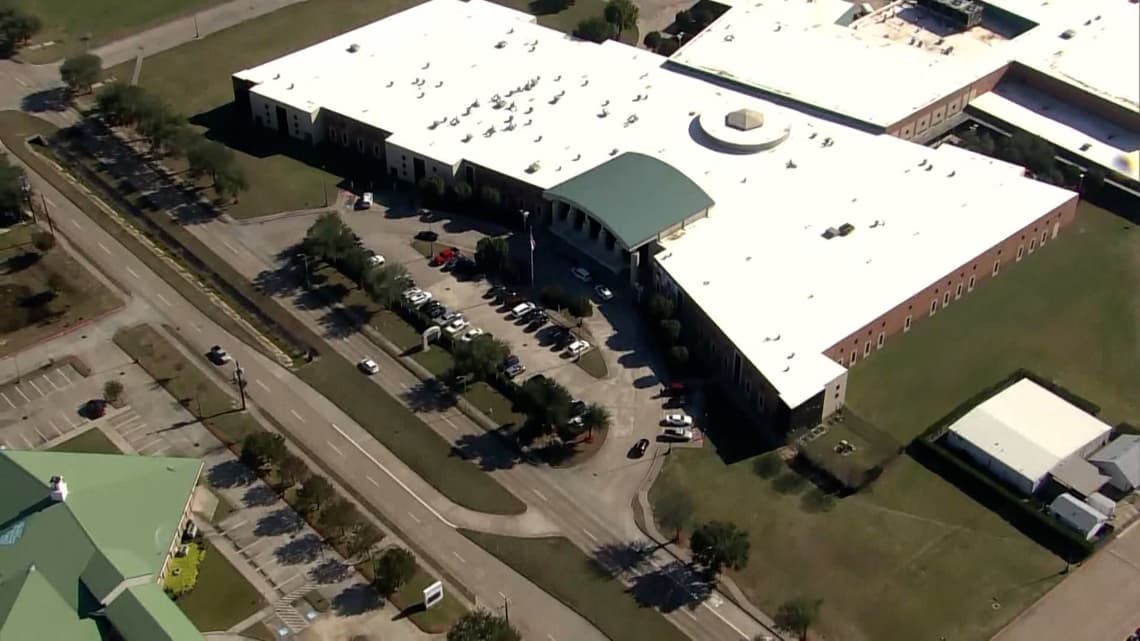
The Baytown Police Department is leading the investigation. Lee College confirmed Ruiz is an employee and placed him on administrative leave pending the outcome. The college, which has educated the Baytown area since 1934, said it is cooperating fully with police.
Court documents state the content was created "with the intent to deceive and depict a real person performing an act that did not occur in reality." The adult victim's likeness was used to produce a deepfake video; for the juvenile, investigators allege Ruiz created computer-generated images pulled directly from screenshots of the girl's Instagram account.
Legal experts are watching the case as a potential early test of Texas law governing AI-generated content. Texas enacted Section 21.165 on September 1, 2023, through Senate Bill 1361, making it among the first states to criminalize deepfake pornography. The original statute, however, covered only videos, not images. Texas closed that gap in May 2025 through House Bill 449, expanding the prohibition to all non-consensual sexually explicit deepfakes, including images, photos, and digital recordings. A first offense remains a Class A misdemeanor, punishable by up to one year in jail and a fine; repeat offenses escalate to felony charges under the Texas AI Governance Act. The juvenile victim could trigger separate, more serious penalties under Texas Penal Code Section 43.26, which carries stronger sanctions when victims are minors.
Ruiz's case is the second AI-generated explicit content prosecution to emerge from Baytown in a matter of months. In November 2025, Baytown police arrested Kane James Kellum, 34, of Nacogdoches, for using AI to generate child sexual abuse material involving minors he knew. The FBI assumed jurisdiction, securing federal grand jury indictments on four counts, and a new state charge added in February 2026 made it what authorities called the Houston area's first federal AI child exploitation case.
The broader landscape is alarming. Searches for deepfake pornography increased 900% within two years, according to 2023 cybersecurity research, and 96% of deepfake videos online are pornographic, disproportionately targeting women. Congress moved to address the issue when the Take It Down Act was signed into law on May 19, 2025, the first federal statute to criminalize the distribution of nonconsensual intimate imagery. As of 2025, 45 states have enacted laws targeting AI-generated child sexual assault material, though enforcement capacity and statutory specificity vary considerably across jurisdictions.
The Baytown Police Department's investigation into Ruiz remains active.
This article was produced by Prism’s automated news system from verified source data, official records, and press releases, then run through automated quality and moderation checks before publishing. The system is built and supervised by the people who set the standards it runs under. Read our full AI policy.
Did this article answer your question?