Harris County clinic offers eviction help, tenant rights, legal resources
A free Harris County clinic is helping renters stop eviction costs before they start, with legal aid, tenant rights help, and advice in Spring Branch East.

Why the clinic matters
A missed rent payment in Harris County can snowball fast: county leaders say more than 6,000 eviction filings are reported each month, and a filing in Justice of the Peace court can add a $139 fee before a family has even had a hearing. With typical rent at $1,403 a month across Harris and Galveston counties, falling behind is not just a court problem. It can mean lost work, added stress, and a housing record that makes the next lease harder to secure.
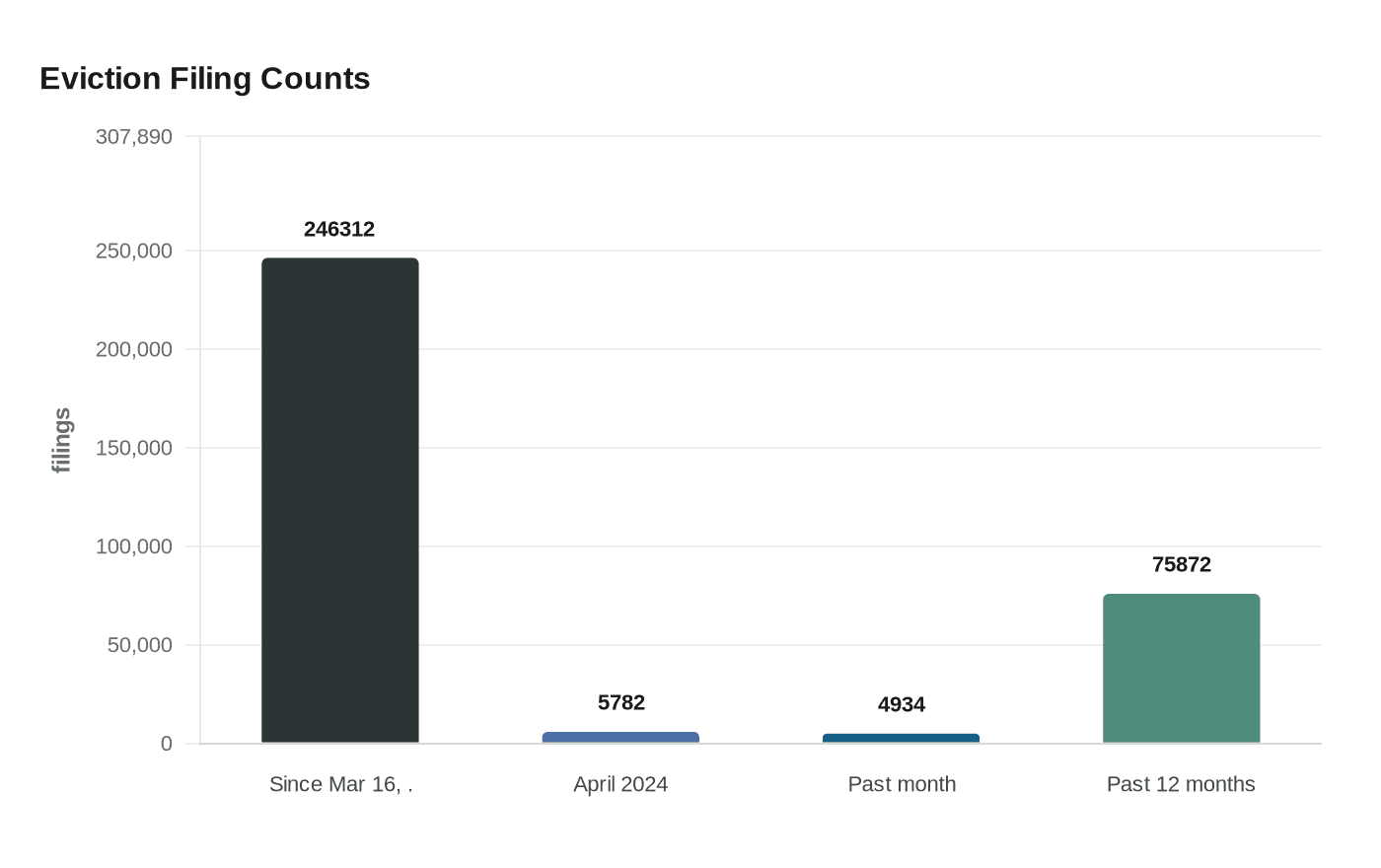
The scale is why early intervention matters. Legal Services Corporation data show 246,312 eviction filings in Harris County since March 16, 2020, including 5,782 filings in April 2024, while the county’s rent-burdened resident share stands at 52.9 percent and the poverty rate is 15.9 percent. Eviction Lab reported 4,934 filings in the past month and 75,872 filings in the past 12 months in the Houston area as of April 1, 2026, underscoring how quickly a rent problem can turn into a court case.
What the clinic offers
Commissioner Lesley Briones and Judge Steve Duble used the free Housing Resource Clinic to push prevention before a case is filed, bringing the event to the Freed Community Center at 6818 Shadyvilla Lane in Spring Branch East. The center was renovated in 2024 and was taken over by Precinct 4 from the City of Houston at the end of 2023, giving the county a neighborhood site built for meetings, services, and direct public outreach.
The clinic focused on eviction prevention, tenant rights, and legal resources. Residents could connect with the Texas Legal Services Center, Lone Star Legal Aid, and the Harris County Attorney’s Office, which meant the help was not limited to general advice. It was a chance to leave with documents, referrals, and a clearer plan before rent arrears became court papers.
What changed in the law
Harris County Justice of the Peace courts say major changes to Chapter 24 of the Texas Property Code took effect on January 1, 2026 for eviction cases filed on or after that date. That makes current guidance especially important for tenants who are already behind or who have just received a notice to vacate.
Harris County Housing & Community Development says its Eviction Defense Program offers free legal advice and representation to county residents at risk of eviction. To qualify, applicants generally must be Harris County residents with household income at or below 200 percent of the federal poverty guideline, and the program gives priority to people receiving unemployment benefits, people with reduced income, and tenants facing eviction because of financial hardship. The program says it can advise tenants before an eviction is filed, represent them once a case is filed, and help in mediation to keep tenancies intact.
What to do before an eviction filing
The most important move is to act before the landlord files. A three-day notice in some cases can be the last warning before court, and waiting until a hearing can shrink your options and increase the cost.
1. Read every notice immediately and keep it in a safe place.
Note the date, the deadline, and whether the landlord is asking for payment, move-out, or both.
2. Gather the papers that prove your situation.
Bring the lease, rent receipts, payment screenshots, texts or emails with the landlord, proof of income, unemployment records if you have them, and any documents showing reduced hours, illness, or another hardship.
3. Reach out for help before the filing starts.
Harris County’s Eviction Defense Program can advise tenants before a case is filed, and the clinic brought in legal organizations that can help explain rights and next steps.
4. Ask about mediation or repayment options.
The county program says it can assist in mediation, which can sometimes keep a tenancy alive without forcing a family into a full court fight.
5. If you are served with court papers, do not ignore them.
Keep every deadline, appear in court, and bring all of your documents, because missing a hearing can turn a manageable rent dispute into a long housing problem.
Why Precinct 4 is focusing here
Precinct 4 materials show why the outreach is being aimed at neighborhoods like Spring Branch East. Since 2020, an estimated 30 percent of all eviction filings in Harris County have occurred in Precinct 4, and filings there more than doubled from 2020 to 2022. That concentration makes neighborhood-based legal help more than a convenience; it is part of how the county is trying to prevent displacement before it spreads through schools, workplaces, and apartment communities.
Lone Star Legal Aid says its Eviction Right to Counsel initiative has operated since June 2020 and serves all 16 Harris County Justice of the Peace courts. County precinct materials say the county expanded eviction legal aid to those courts through $2 million awards each to Lone Star Legal Aid and Neighborhood Defender Services, a sign that officials are treating eviction defense as a standing public service rather than an emergency patch.
The bottom line
The clinic in Spring Branch East is part of a larger county strategy: meet renters early, get them into the right legal channel, and try to stop a filing before it drains a paycheck, a work schedule, and a household’s stability. In a county where the rent is high, filings remain heavy, and the law changed at the start of the year, the cheapest eviction is the one that never reaches court.
This article was produced by Prism’s automated news system from verified source data, official records, and press releases, then run through automated quality and moderation checks before publishing. The system is built and supervised by the people who set the standards it runs under. Read our full AI policy.
Did this article answer your question?