HISD School Closures Threaten Community SPARK Parks Across Houston Neighborhoods
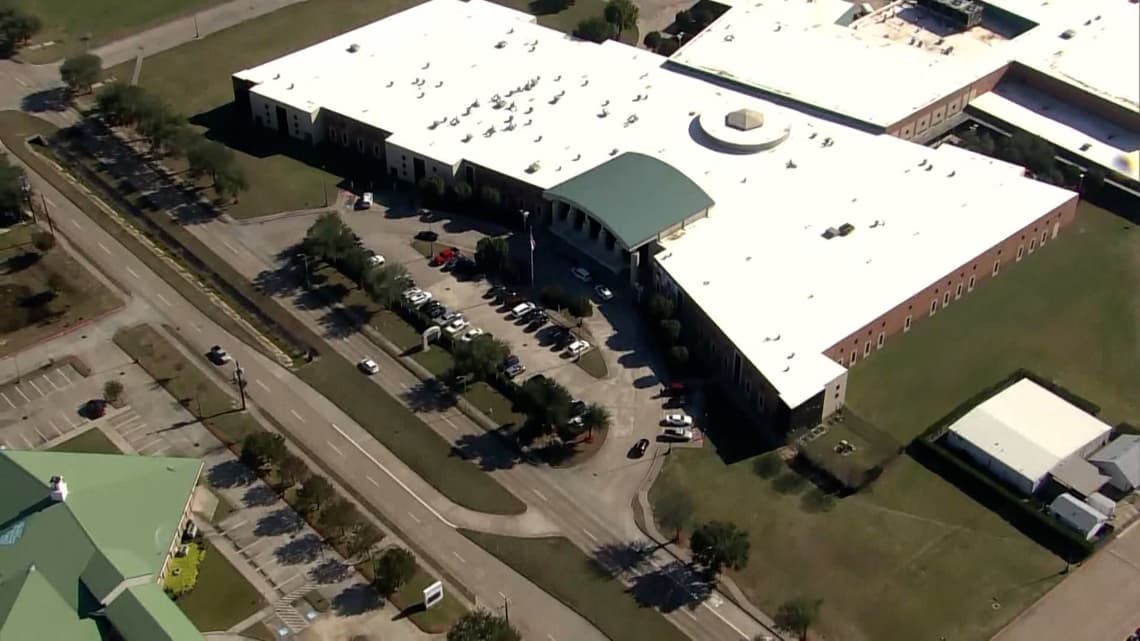
Five SPARK parks in Third Ward, East End, and Magnolia Park face potential abandonment when HISD closes 12 campuses in June.
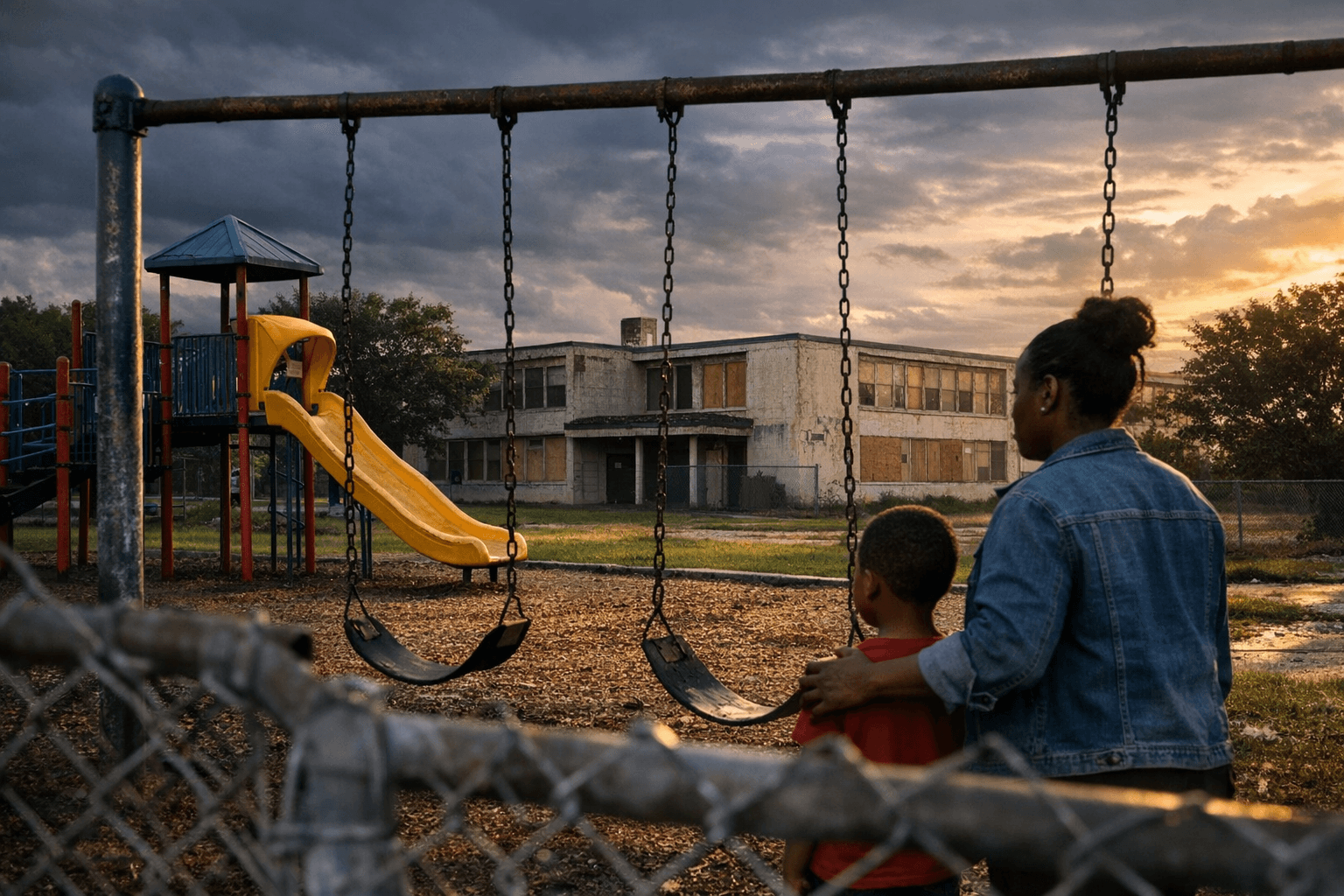
The Dodson Elementary SPARK park, one of the first built under the program's four-decade history, sits in disarray today, more than a decade after that school closed. Ed Pettitt sees it as a warning. As vice president of the Greater Third Ward Super Neighborhood, he now watches HISD prepare to shut 12 more campuses by June 4, with at least five of them hosting SPARK parks that serve as the only safe, maintained green space within walking distance for thousands of residents.
"Neighborhoods like Magnolia Park, Third Ward, East End, Second Ward, they are the ones bearing the brunt of this," Pettitt said. "Many of these residents don't have cars to get to another park."
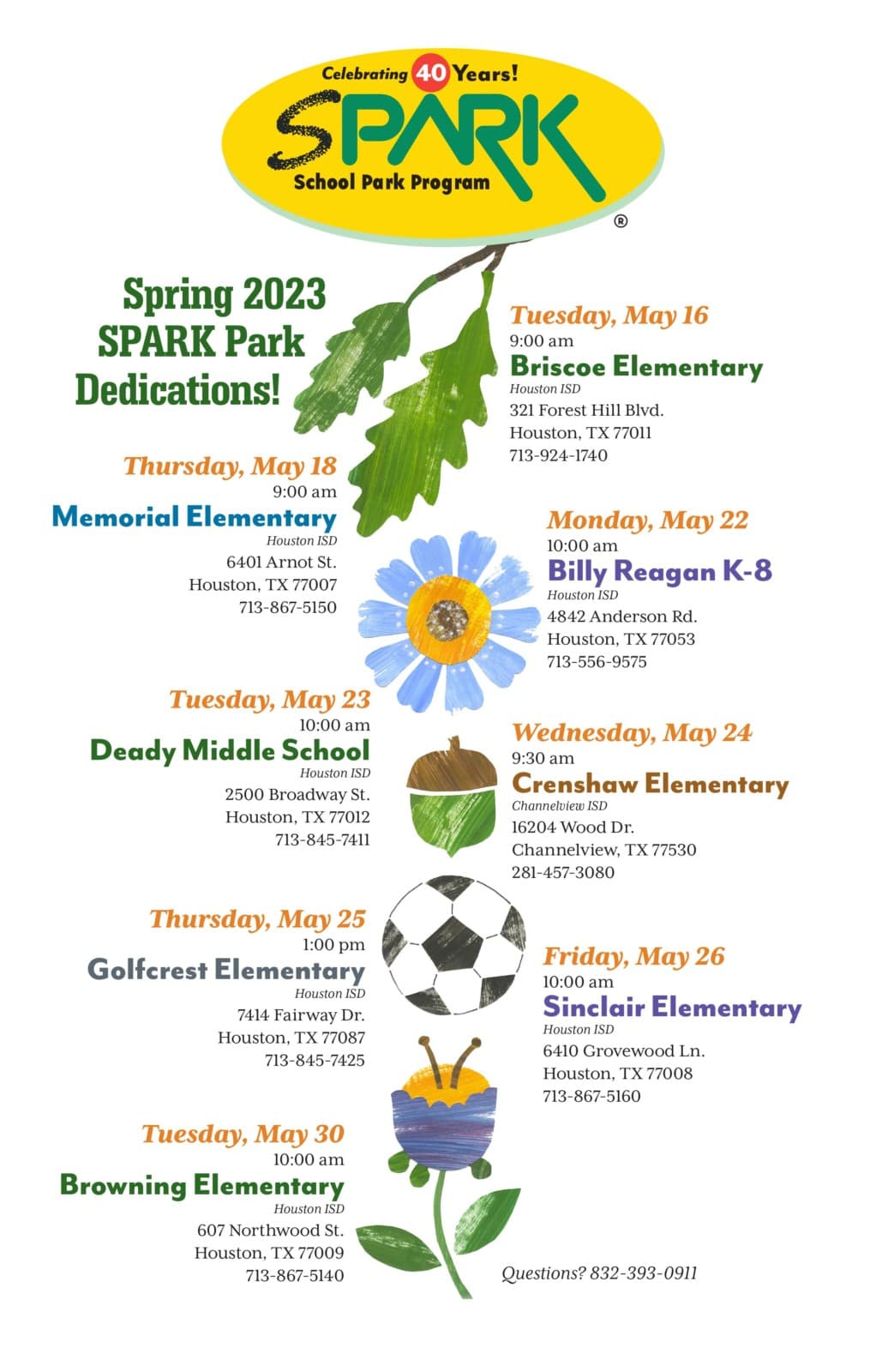
HISD's state-appointed board voted unanimously in February to close Alcott, Briscoe, Burrus, Franklin, NQ Henderson, Port Houston, Ross, Cage, Hobby, Fleming Middle School, McReynolds Middle School, and Gulfton Middle College at the end of the current school year. State Superintendent Mike Miles cited declining enrollment and aging facilities as the driving factors. At least five of those campuses host SPARK parks, the public playgrounds built on school grounds since 1983 that serve as primary recreational green space for the surrounding low-income neighborhoods. The SPARK School Park Program has built more than 200 community parks across Harris County, with 160-plus currently active.
The parks are open to the public after school hours, on weekends, and holidays. But their daily operations, from unlocking gates each morning to mowing grass and replacing broken equipment, run entirely through the schools. Once a campus goes dark, that chain breaks. For densely packed neighborhoods in the East End and Second Ward where car ownership is limited, a SPARK park is often the nearest shaded outdoor space within a 10-minute walk. In a city where summer heat indexes routinely top 110 degrees, losing that green patch carries real health consequences: fewer places for children to play outside safely, fewer shaded benches for seniors, and one less permeable surface absorbing stormwater during flash floods.
HISD did not directly answer questions about the parks' futures, offering a written statement that the district plans to work with its partners to "thoughtfully plan for the future use of school facilities and surrounding spaces, including areas that serve as community parks." For Pettitt, that answer falls well short. The parks were built with community money, and some of the affected neighborhoods have no viable alternative within walking distance.
Advocates are already exploring nonprofit stewardship agreements, community land trusts, and transfer arrangements with the City of Houston Parks and Recreation Department to keep the sites open past June 4. Harris County Commissioners Court and local philanthropic funders could also face requests for bridge funding before the school year ends.
The closure vote proceeded over objections from elected trustee Placido Gomez, who holds no voting power under the state's ongoing takeover of the district. "The appointed board's lack of community engagement is unacceptable," Gomez said in February.
Community meetings to press HISD and SPARK for binding stewardship commitments are expected in the coming weeks. The Dodson park already shows what neglect looks like after a school closes. Five neighborhoods are trying to make sure they don't inherit the same outcome.
This article was produced by Prism’s automated news system from verified source data, official records, and press releases, then run through automated quality and moderation checks before publishing. The system is built and supervised by the people who set the standards it runs under. Read our full AI policy.
Did this article answer your question?