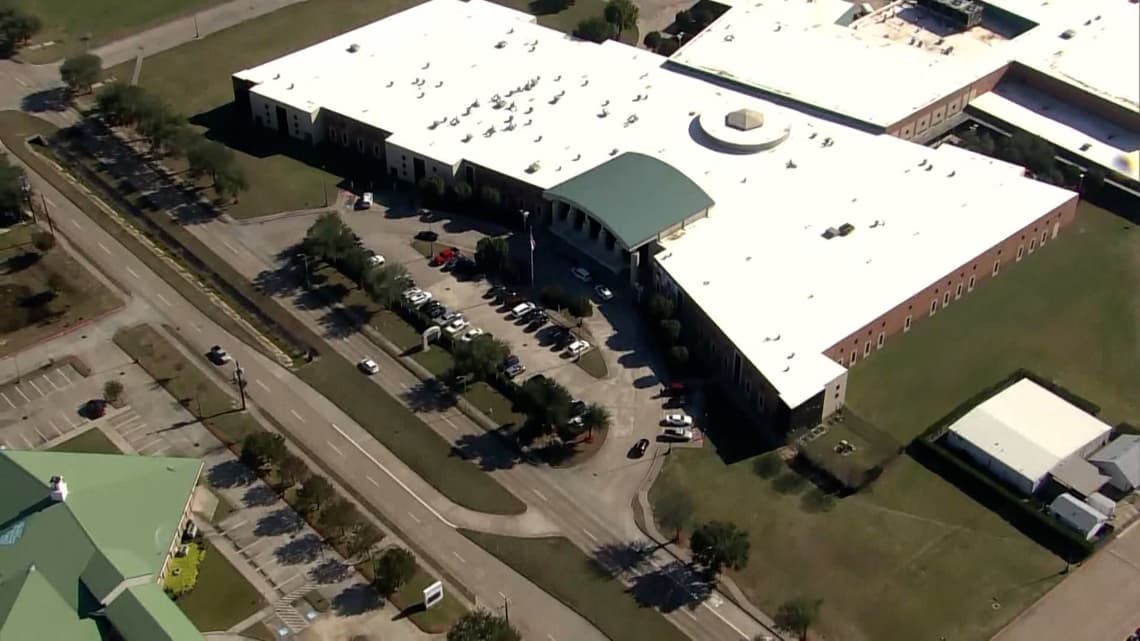
HISD Superintendent Miles Delivers Closed State of the District, Excluding Parents
Miles held HISD's annual State of the District as a $250-a-ticket luncheon, leaving parents out while skipping any mention of shrinking enrollment or the 12 campuses now slated to close.

A $250 ticket was the price of admission to hear Mike Miles lay out the future of Houston's public school system on March 25. Parents did not receive tickets.
The Houston ISD Foundation, a nonprofit that raises philanthropic funds for the district, organized the luncheon and filled the room with district leaders, local business figures, and teachers. It was a deliberate contrast to the prior two years, when Miles' State of the District address drew protesters both inside and outside the venue. Houston Chronicle senior education reporter Megan Menchaca, granted access by the Foundation, captured the shift: "There was no booing, there was no jeers. In the past, at Mike Miles' first state of the district event, he was disrupted by protesters inside the room, and protesters were outside the room." The quiet was by design.
Miles used the closed forum to press priorities he wants staff to own: teacher recruitment and retention, classroom innovation, and preparing students for a workforce reshaped by artificial intelligence. District officials said key policy outcomes would be communicated through formal board meetings and district communications, effectively outsourcing public accountability to follow-up channels rather than the address itself.
What Miles did not raise, according to Menchaca, was HISD's shrinking enrollment and its direct connection to the district's decision to close 12 campuses heading into the 2026-27 school year. That closure plan generated hours of tense public testimony before the board of managers voted to proceed, with parents arguing the cuts fell disproportionately on Black and brown schools. Omitting that context from an event framed as a districtwide accounting is precisely what critics say erodes trust.
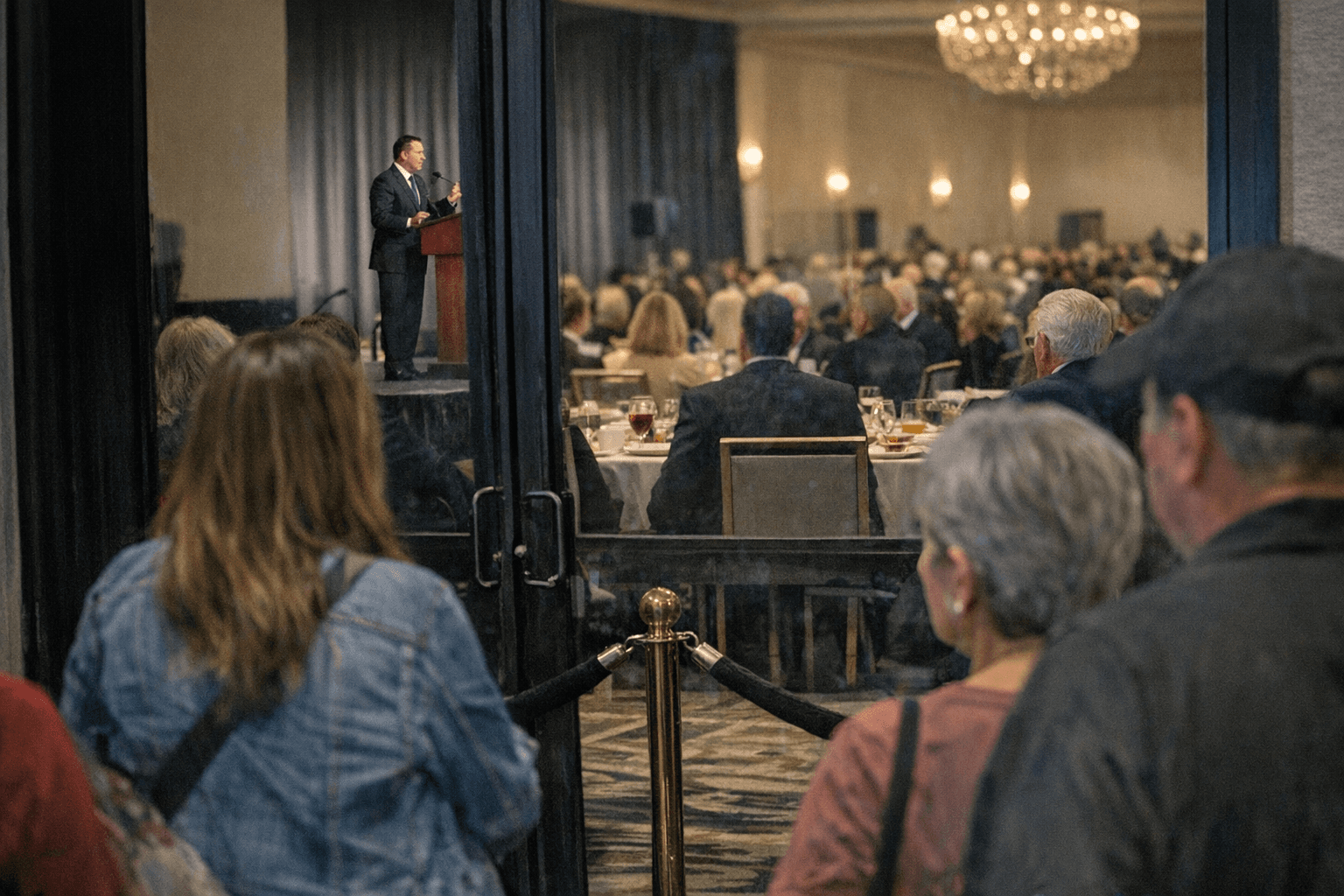
The format choice carries particular weight given how HISD is governed. Miles was not elected; he was appointed by a Texas Education Agency-installed board of managers that answers to Austin rather than to Harris County voters. When the traditional public moment for a superintendent to account for district performance is replaced by a ticketed professional luncheon, the scrutiny gap widens in ways an elected board would face immediate political pressure to address.
Outside observers noted the private format places added responsibility on HISD to ensure families can measure what Miles asked of his staff on March 25 against concrete outcomes at forthcoming board meetings, which now stand as the next scheduled opportunity for public questioning on the metrics, the closed campuses, and the enrollment slide Miles left off the agenda.
This article was produced by Prism’s automated news system from verified source data, official records, and press releases, then run through automated quality and moderation checks before publishing. The system is built and supervised by the people who set the standards it runs under. Read our full AI policy.
Did this article answer your question?