Houston Fire engine hits METRORail train, one passenger hospitalized
A Houston fire engine on an emergency call hit a METRORail train near downtown Friday, derailing it and sending one passenger to the hospital.
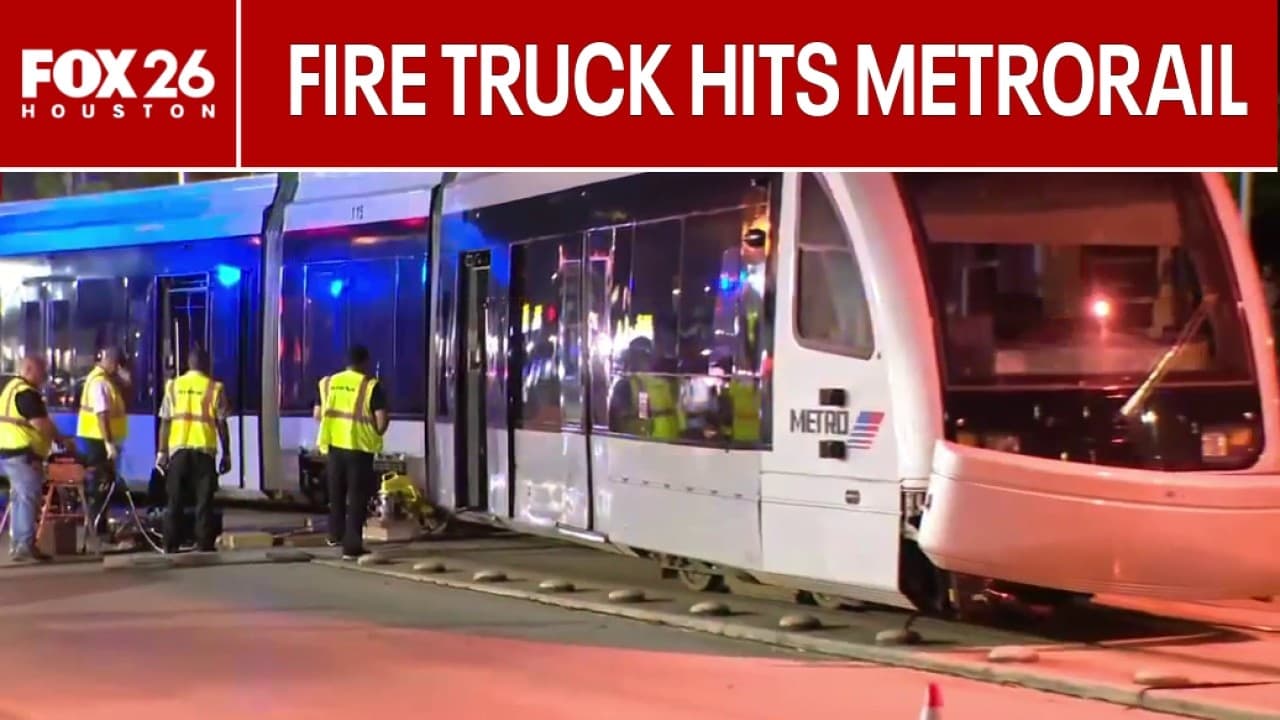
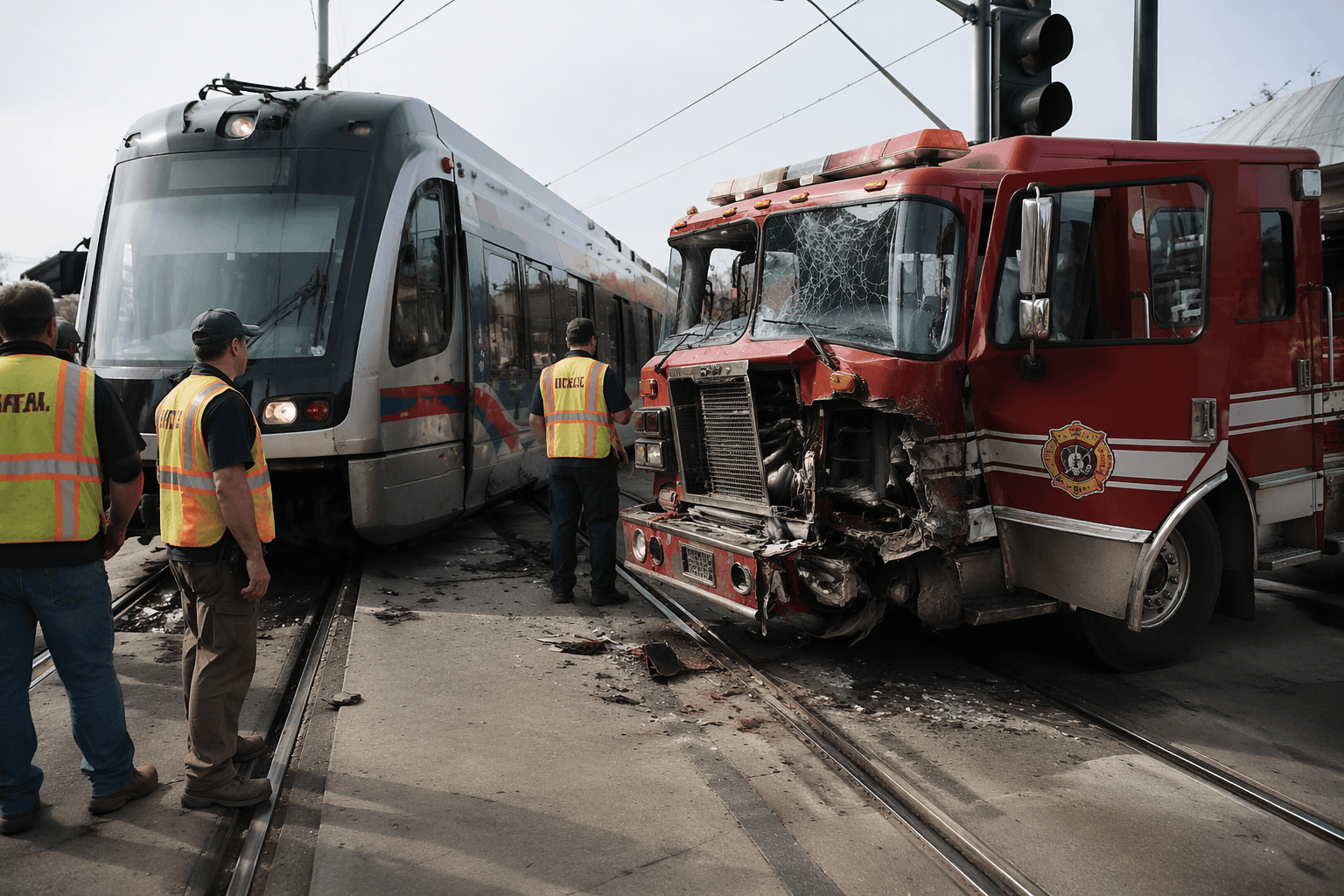
A Houston Fire Department engine racing to an emergency call collided with a METRORail train at Hogan Street and North Main Street Friday evening, knocking the train off its tracks and sending one passenger to the hospital with non-life-threatening injuries. The crash happened about 6:45 p.m. just north of downtown, in a corridor that carries commuters, visitors and major-event traffic through the city’s core.
Houston Fire Department Engine 9 had its lights and sirens activated when it struck the rail car. No firefighters were hurt. The collision caused a derailment, and transit crews joined firefighters and police at the scene to sort out damage and service implications.
Houston was already in a holiday-weekend surge, with METRO running extra service and more frequent routes from June 7 through July 11 for the city’s seven FIFA World Cup 2026 matches at NRG Stadium. Canada vs. Morocco is set for Saturday at noon, and the official Fan Festival is underway in East Downtown near Shell Energy Stadium and reachable by the Green or Purple Line with Red Line connections at Central Station. Some routes are already being detoured because of World Cup operations, and riders can check current alerts on the RideMETRO app, Facebook and X.
The crash landed on the Red Line, METRO’s original rail corridor that opened in 2004 as the Main Street Line. The 13-mile line is now part of a system that stretches more than 23 miles across three rail lines through downtown, the Museum District, the Theater District and the Texas Medical Center. The Federal Transit Administration tracks rail grade-crossing incidents, injuries and fatalities in national transit safety data.
Investigators will now have to determine how the fire engine and train crossed paths, and whether signals, traffic conditions or response-route decisions played a role.
This article was produced by Prism’s automated news system from verified source data, official records, and press releases, then run through automated quality and moderation checks before publishing. The system is built and supervised by the people who set the standards it runs under. Read our full AI policy.
Did this article answer your question?