Houston launches $101 million generator plan for storm-hit facilities
Houston is installing generators at 65 public facilities, with 14 already underway after Beryl left fire stations, cooling centers and sewage pumps dark.
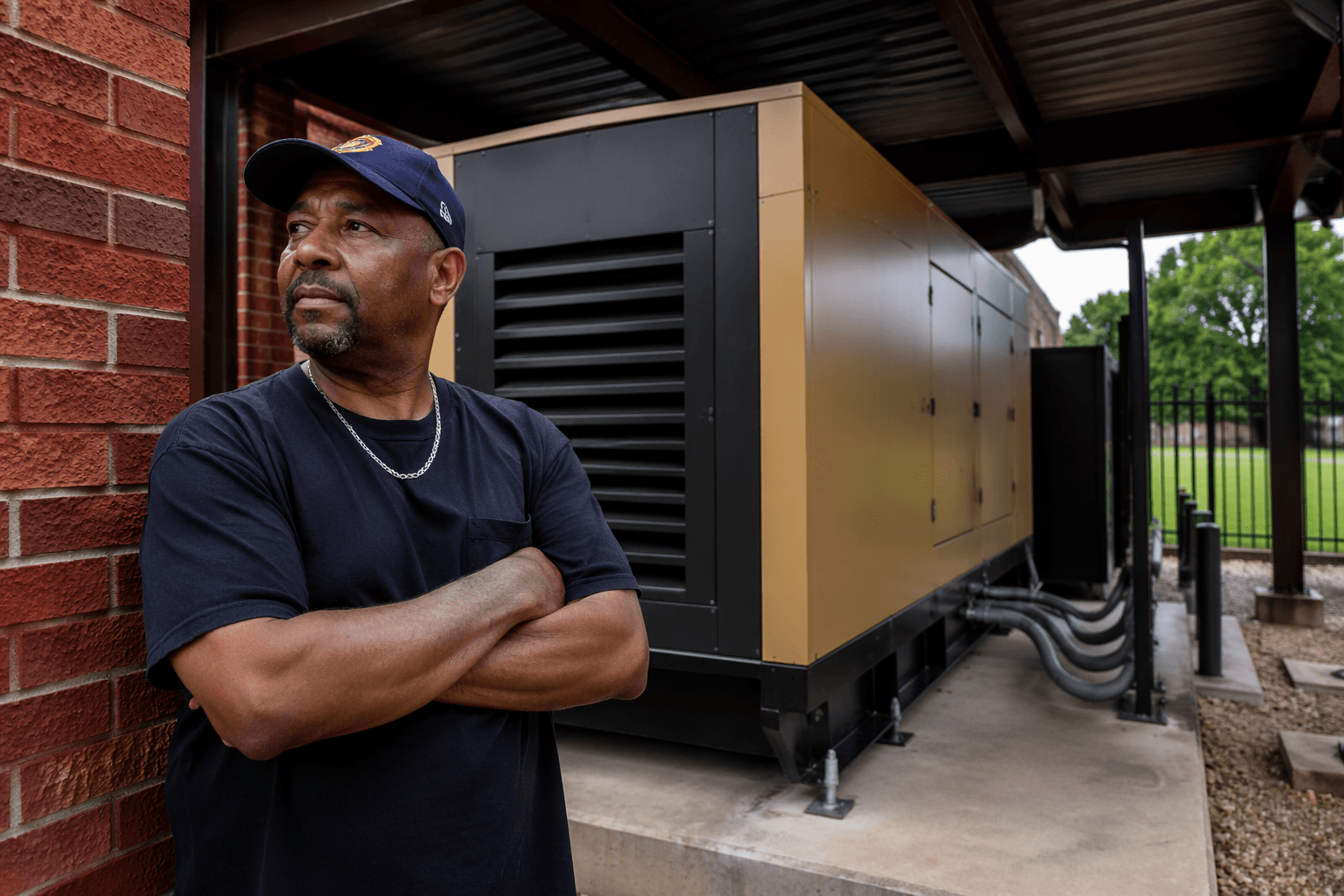
Houston has begun a $101 million generator rollout at 65 storm-hit public facilities, with 14 sites already completed or under way after the 2024 derecho and Hurricane Beryl exposed how many essential buildings could not stay open in an outage.
The work is part of the city’s Power Protection Initiative, announced June 24, 2025, at the Metropolitan Multi-Service Center. City officials said the broader plan would use $151 million of Houston’s $314 million in federal disaster recovery money to protect more than 100 key sites, including water and sewer plants, public safety buildings, shelters and emergency-supply distribution hubs.
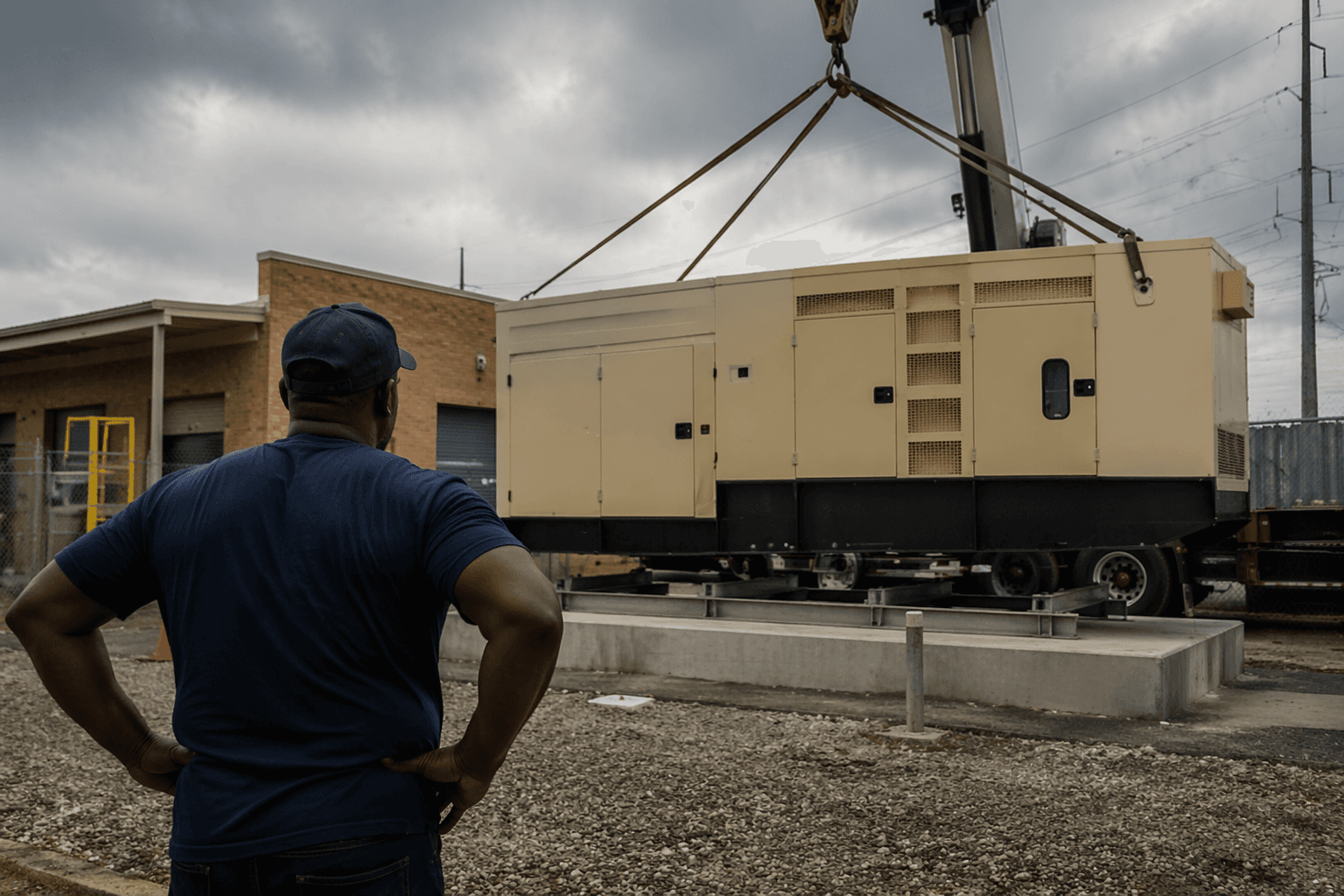
The first phase is aimed at places residents actually depend on when the grid fails: police stations, fire stations, libraries, wastewater facilities, water facilities and animal control sites. Houston said the point is to keep the city operating during prolonged blackouts, not to fix one building at a time. The city’s disaster recovery hub identifies the triggering storms as the May 16 to 17 derecho and Hurricane Beryl, which hit July 5 to 9, 2024, and says the U.S. Department of Housing and Urban Development awarded Houston a $314.6 million Community Development Block Grant-Disaster Recovery package for unmet needs.
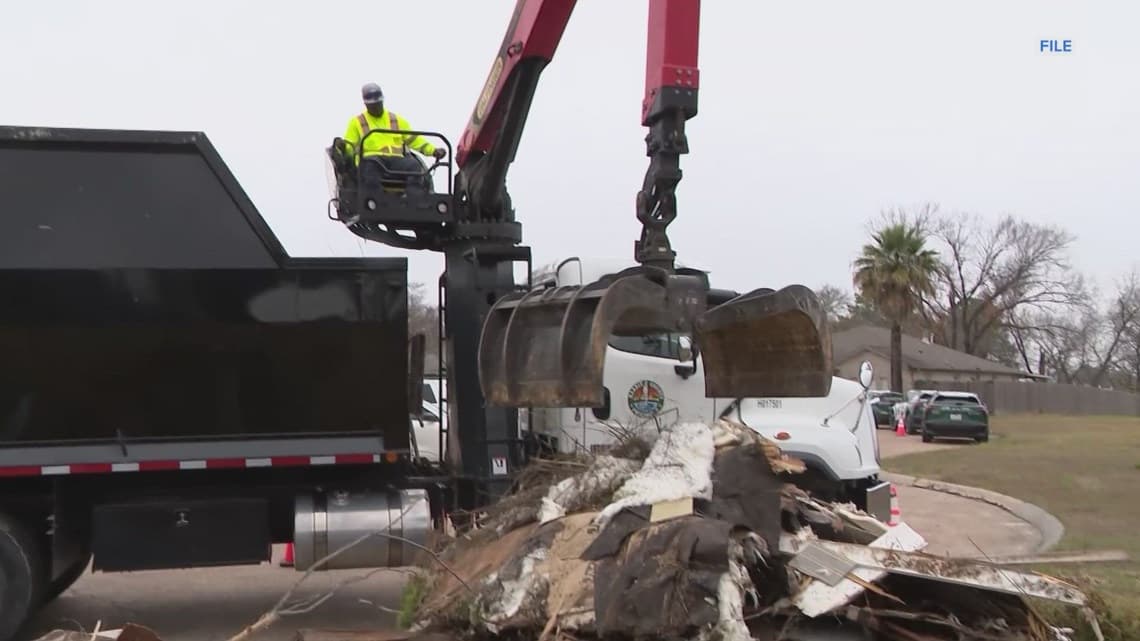
Beryl made the vulnerability impossible to ignore. Houston said 10 fire stations were closed because they had no power and no generators, while the city also faced shortages of generators, first responders, ambulances and cooling centers. Houston Landing reported that nine fire stations were shut and more than 175 wastewater pumping stations lost power, forcing the city to rotate generators to keep sewage moving. Mayor John Whitmire said the derecho also revealed a basic failure at one fire station when responders could not even get the door open.
The city has also pointed to a practical test case in the Third Ward. ExxonMobil and United Way of Greater Houston supported a generator donation for the Fonde Community Center, which city officials described as one of Houston’s busiest climate-controlled facilities during recent disasters. That matters for neighborhoods in places such as Sunnyside, Kashmere Gardens and Third Ward, where cooling and charging options can disappear quickly during a major outage.
Harris County has already moved on a parallel track, requiring backup power for nursing homes and assisted-living facilities after Beryl, when 14 nursing homes and 30 assisted-living facilities lost power. Houston’s generator program now pushes the same logic into city buildings, betting that the next storm will find more of the public safety and cooling network still working.
This article was produced by Prism’s automated news system from verified source data, official records, and press releases, then run through automated quality and moderation checks before publishing. The system is built and supervised by the people who set the standards it runs under. Read our full AI policy.
Did this article answer your question?