Keep2Clean shows progress as Harris County battles illegal dumping
East End residents brought truckloads of bulky trash to a free June 27 drop-off as Precinct 2 said Keep2Clean was showing progress. Officials still called illegal dumping a stubborn fight.
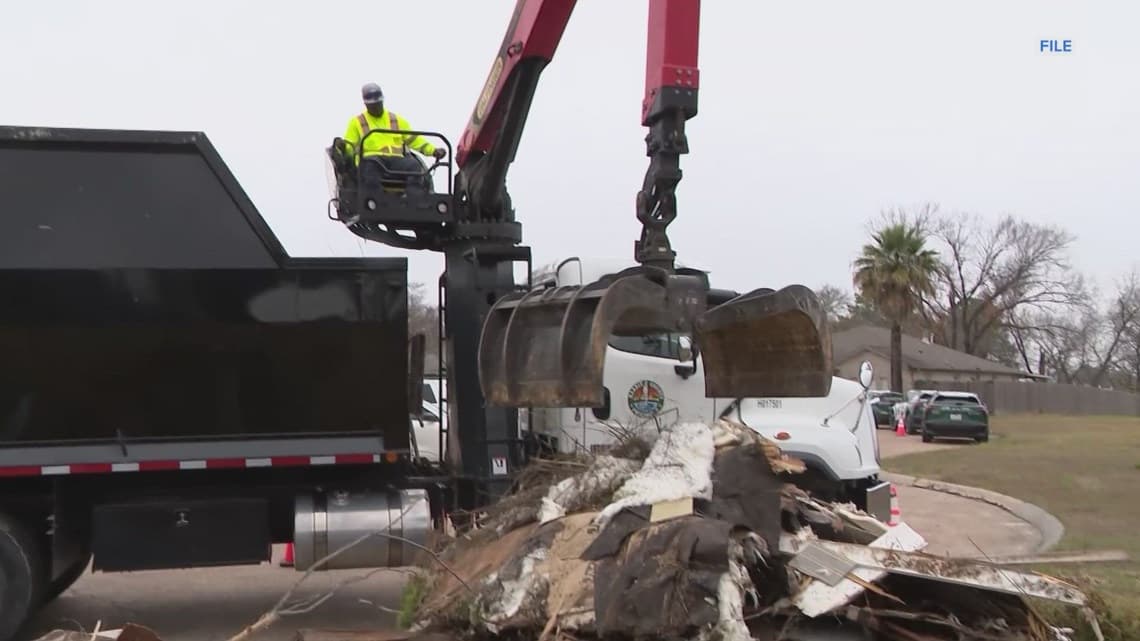
Harris County Precinct 2 hosted a free heavy trash drop-off in Houston’s East End on June 27 as its Keep2Clean effort entered its fifth month. Residents lined up with truckloads of waste they said would otherwise have sat outside their homes for days or even weeks.
The drop-off gave people a legal place to get rid of furniture, tires and yard debris, the kinds of bulky items that often become neighborhood blight when disposal is inconvenient or expensive. In east Houston and nearby neighborhoods, those piles can do more than hurt curb appeal. They can attract pests, block drainage and leave families feeling like they live next to a neglected lot instead of a maintained street.
County leaders say Keep2Clean is built around education, enforcement and surveillance, a three-pronged approach meant to change behavior and raise the risk for people who dump illegally. Five months in, they say they are seeing progress, though the work remains far from finished. The county’s focus on targeted cleanup and monitoring suggests officials are trying to pressure repeat dumping sites while also making disposal easier for residents with junk that cannot simply go out with regular trash.
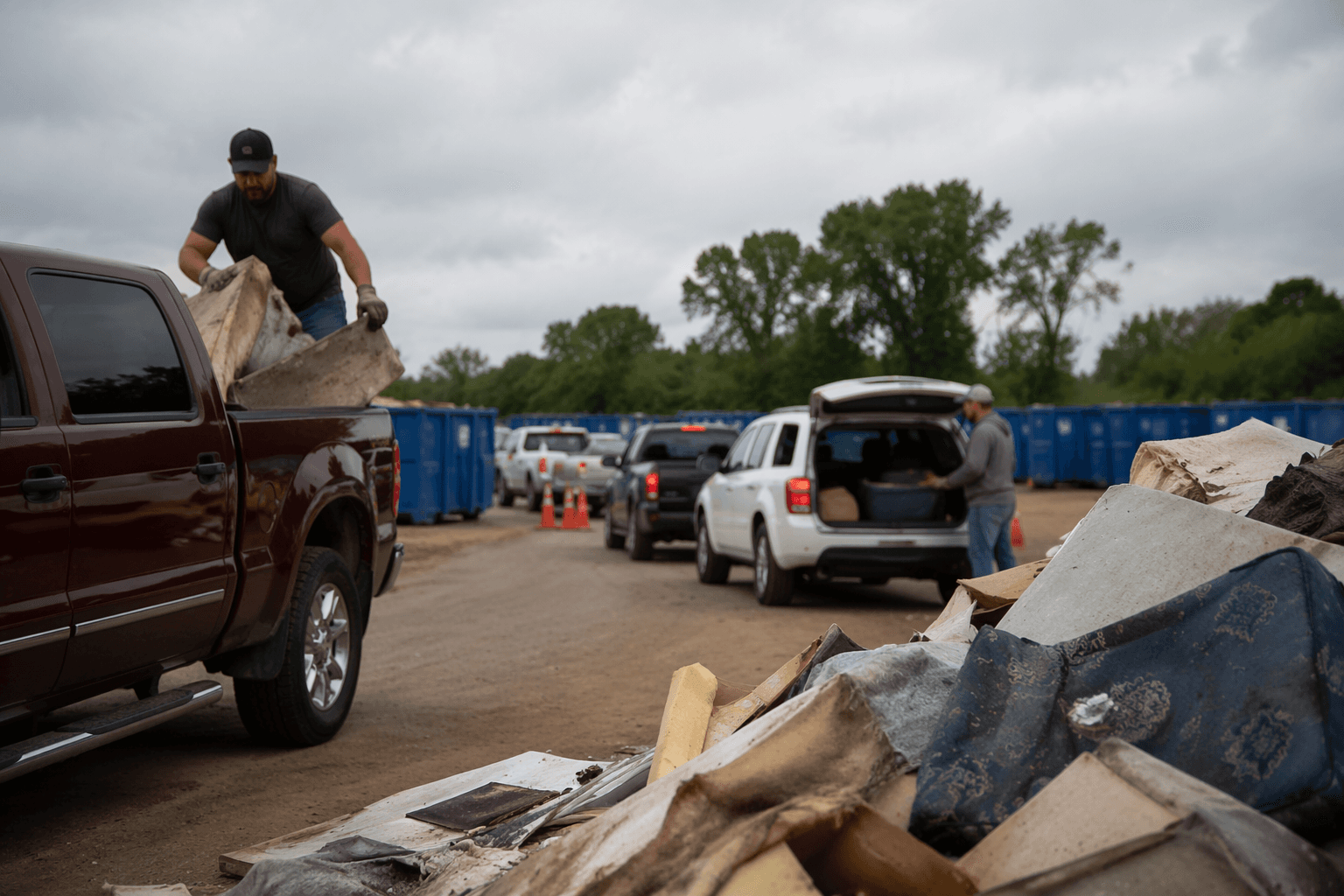
That combination mattered at the East End event, where the cleanup was paired with direct service rather than another warning about enforcement. For families trying to clear out old household items, the event created a practical off-ramp before a pile of discarded material could turn into a dumping complaint on their block.
Keep2Clean’s next test will be whether those cleanup and disposal efforts keep reducing illegal dumping in the same streets and alleyways where the problem has persisted. For residents in east Harris County, the immediate message is that Precinct 2 is treating dumping as a public-safety and quality-of-life problem, and that the county still expects people to use the legal disposal options it is offering.
This article was produced by Prism’s automated news system from verified source data, official records, and press releases, then run through automated quality and moderation checks before publishing. The system is built and supervised by the people who set the standards it runs under. Read our full AI policy.
Did this article answer your question?