METRO renames East End station after Joe E. Ramirez
METRO changed the East End stop name to Joe E. Ramirez METRORail station after Houston renamed the boulevard. Riders will now see a cleaner match on maps, signs, and trip planning tools.
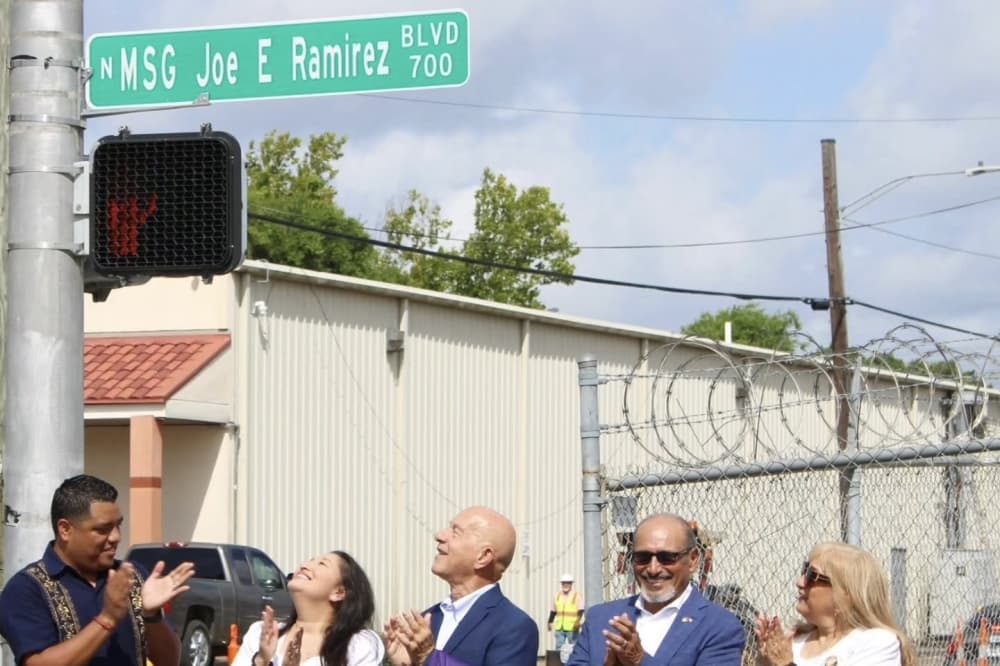
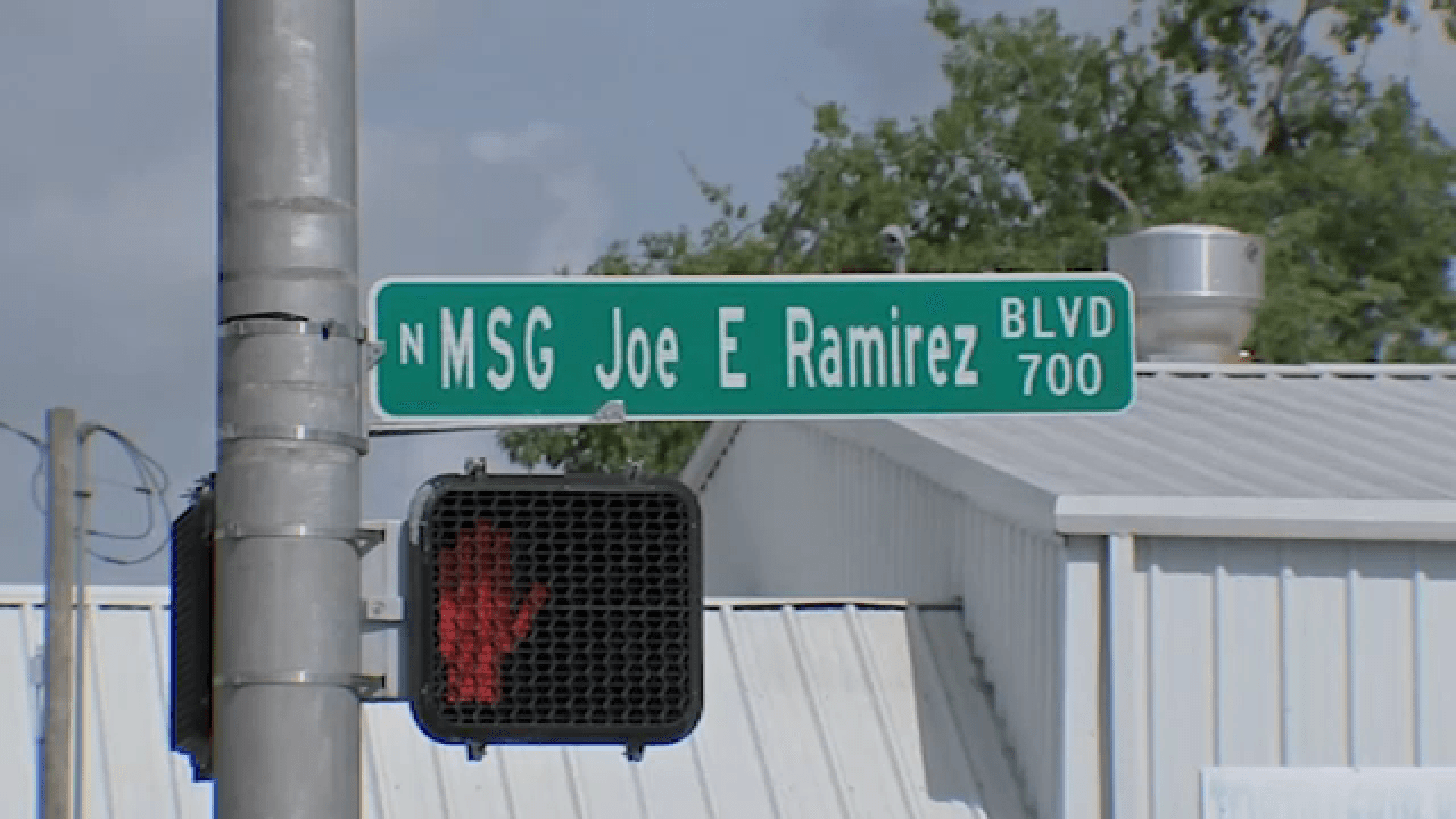
METRO has renamed the Cesar Chavez/67th Street stop to the Joe E. Ramirez METRORail station after Houston changed the adjacent roadway to Joe E. Ramirez Boulevard. The move was already approved by METRO’s board of directors and matches the city’s new street identity.
The station name will now line up with the boulevard name used for wayfinding, route planning, and station identification across METRO’s system, instead of forcing riders to navigate a stop still tied to the old Cesar Chavez Boulevard name. METRO board Chair Elizabeth Gonzalez Brock said, “Aligning with the city's update ensures clarity for our riders and reinforces our connection to the communities we serve.”

Houston renamed Cesar Chavez Boulevard on June 26, 2026, after Houston City Council unanimously approved the change in May. The city opened a 30-day public comment period beginning April 1, and 113 parcels were affected, including 38 parcels with a Cesar Chavez Boulevard address and 75 parcels on side streets. Houston Public Works installed new street signs from May 13 to June 12, and the city unveiled the Joe E. Ramirez Boulevard sign at an East End ceremony on June 26.
The street had carried the Cesar Chavez name since 2000, when it was changed from 67th Street. That earlier renaming followed community advocacy in the East End and Magnolia Park area. This time, the new name honors Joe Elias Ramirez, also known as Joe Chaco Ramirez or Joe E. “Chaco” Ramirez, a Houston native, Korean War veteran and longtime community leader.
Ramirez served in the U.S. Army from 1950 to 1971, reached the rank of Master Sergeant, E-8, and was a prisoner of war during the Korean War. His service record also includes Japan, Korea, Fort Riley, Fort Hood, Fort Sam Houston and France. Several of Ramirez’s relatives attended the council vote and the dedication events.
This article was produced by Prism’s automated news system from verified source data, official records, and press releases, then run through automated quality and moderation checks before publishing. The system is built and supervised by the people who set the standards it runs under. Read our full AI policy.
Did this article answer your question?