Northwest Harris County faces more water-line construction, utility disruptions in 2026
Northwest Harris County is headed for more street cuts and utility work as a $406 million water project push advances in Cypress and Cy-Fair.
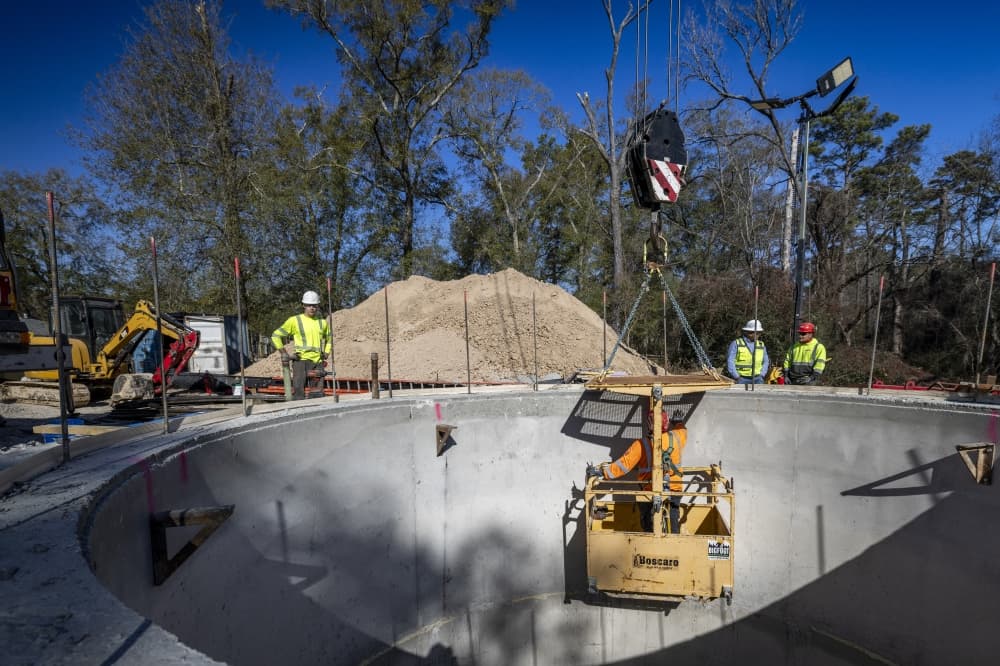
Water-line construction is set to keep cutting through northwest Harris County as the North Harris County Regional Water Authority pushes ahead with about $406 million in projects planned for 2026. The biggest work is expected in Cypress and Cy-Fair, where residents are likely to see more utility crews, traffic detours and phased construction tied to the region’s shift away from groundwater.
The spending is part of a surface-water conversion effort ordered by the Harris-Galveston Subsidence District, which has spent years pressing the region to reduce groundwater pumping and slow land subsidence. That means the work is not just about new pipes. It is about replacing a larger share of the area’s water supply with surface water so the aquifer is less stressed and the ground above it is less likely to keep sinking.
For homeowners, the most immediate impact is disruption. Surface-water conversion usually requires major transmission lines, pump stations and supporting utility work, and those projects can take months or longer to finish. That can mean construction near neighborhoods, schools and commercial corridors, along with road work that changes daily routes and stretches across several budget cycles. It also means residents may keep paying for a long transition that is designed to improve water reliability over time.

The stakes are broader than one construction season. Northwest Harris County is still growing, and water policy will shape how that growth happens. The authority’s work is part of a decades-long response to groundwater reduction requirements, a regional obligation that affects roads, drainage planning and future infrastructure risk as much as it affects taps and utility bills. In places such as Cypress, Jersey Village and nearby communities, the next phase of growth is being built around a different water model than the one that fueled earlier development.
That makes the $406 million question a practical one for homeowners: not whether construction will arrive, but whether the disruption buys real relief. The answer will be measured in fewer groundwater withdrawals, slower subsidence and a more stable long-term water system for northwest Harris County. For now, it is clear the road to that system will run through more orange barrels, more utility cuts and more work in the street.
This article was produced by Prism’s automated news system from verified source data, official records, and press releases, then run through automated quality and moderation checks before publishing. The system is built and supervised by the people who set the standards it runs under. Read our full AI policy.
Did this article answer your question?