Space Center Houston Offers Tram Tours, Astronaut Encounters at NASA's Front Door
Space Center Houston's tram tour puts visitors inside NASA's working Mission Control for $29.95; the Breakfast with an Astronaut experience books out weeks ahead.
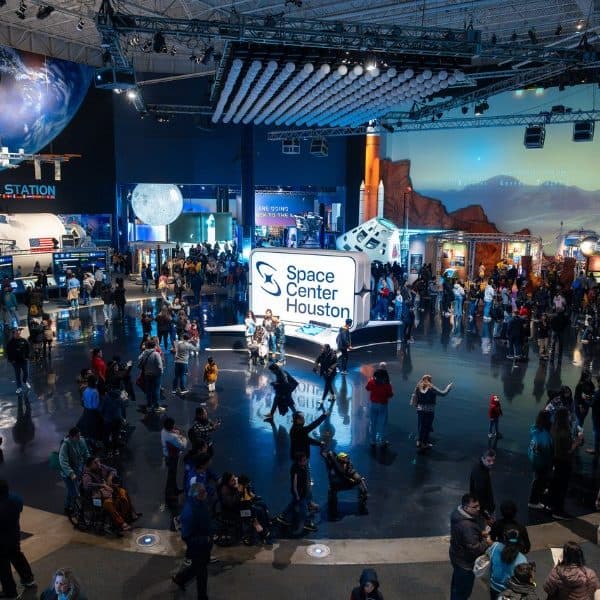
At 1601 E NASA Parkway in Clear Lake, the room that coordinated every American crewed spaceflight since Gemini is still operational, and it's open to the public. Space Center Houston, the official visitor center for NASA's Johnson Space Center, offers more than artifacts behind glass: for a base admission of $29.95 per adult, you can board a tram onto the active JSC campus, walk through historic Mission Control, and stand next to full-scale rockets that actually flew. For Harris County residents who've driven past the NASA Parkway exit for years without stopping, the case for finally going is stronger than most realize.
The NASA Tram Tour: Don't Miss Your Window
The tram tour is the clear priority for a first visit, and the logistics around it are the most important thing to plan correctly. Space Center Houston's own site warns that select tours typically sell out far in advance of their tour date, which means showing up at noon on a Saturday and expecting to board is a gamble that frequently loses. The tour takes visitors onto the JSC campus itself, with stops that can include historic Mission Control, Rocket Park, and active astronaut training facilities depending on NASA's operational calendar for that day. Because the stops rotate based on what's live on campus, no two tram experiences are identical, and some of the most significant access (including the Mission Control viewing gallery) is tied to which tour slot you're on.
The practical rule: book the tram pass online before you arrive, and if you're buying at the door, collect the boarding pass before exploring anything else. The center opens at a set time each morning, and the first tram of the day is the most reliable for full campus access.
Exhibits, Artifacts, and Astronaut Access
The 183,000-square-foot facility's indoor exhibits hold some of the most significant hardware in American spaceflight history, displayed at full scale. Rockets and flown spacecraft are the centerpieces, but rotating special exhibits keep the floor current: recent programming has focused on the Artemis program and Mars exploration, tying the historic collection to NASA's active mission pipeline. Hands-on science displays and a theater extend the visit for families with younger children who need interactive engagement alongside the artifact history.
The standout premium experience is "Breakfast with an Astronaut," a separate ticketed event where a NASA astronaut joins guests for a meal and Q&A. It's the kind of direct access that's genuinely unusual outside professional or academic settings, and it commands early reservation. Live presentations and educator-designed programs also rotate through the calendar, making the center a legitimate year-round resource rather than a one-and-done stop.
Planning Your Visit
Hours vary by season, with Space Center Houston publishing daily schedules on its visitor information pages. Budget at minimum a half-day; if you're doing the tram tour, walking the major exhibit halls, catching a live presentation, and eating on-site, a full day is realistic. The center is explicit about a few logistics:
- Wear comfortable shoes. The campus involves substantial walking, and the NASA Tram is an open-air vehicle, so weather-appropriate clothing matters as well.
- Arrive early. Boarding passes for the most popular tram routes go fast on weekends and during school holiday periods.
- Check the daily schedule before leaving home. Tram stops shift based on NASA's operational needs, and knowing what's available that day lets you plan your time on the floor accordingly.
- Accessibility services, photo policies, and security screening details are published on the visitor pages and worth reviewing before a first visit.
- Parking is available on-site, and the center has on-site food and a gift shop.
Admission is tiered: $29.95 for adults (ages 12 and up), $27.95 for seniors, and $24.95 for children ages 4 to 11. Kids three and under enter free. Some premium experiences, including Breakfast with an Astronaut, carry costs above general admission.
Local's ROI: How Harris County Families Stretch the Trip
For families planning more than one visit per year, the membership math is straightforward. A family of four paying standard admission spends roughly $110 per visit (two adults, two children). An annual membership covers unlimited general admission for the household, delivers discounts on guest tickets and select experiences, and unlocks benefits through the ASTC Passport Program, which provides free or discounted admission at more than 350 science centers and museums nationally and internationally. Two visits fully justify the membership cost for most family configurations, making it the rational choice for any household that expects to return during a rotating special exhibit or wants to bring out-of-town relatives.
For visitors extending the day beyond the center itself, the Clear Lake corridor offers meaningful low-cost options within a short drive. Armand Bayou Nature Center, one of the largest urban wildlife sanctuaries in the country, sits nearby and offers trails, live animal displays including alligators, bison, and hawks, as well as guided canoe tours at modest rates. Kemah Boardwalk is roughly ten minutes away with waterfront dining and boardwalk access that doesn't require a theme park ticket to enjoy. For budget-conscious families, packing snacks cuts midday costs at the center, where on-site food covers the basics but at attraction pricing.
For visitors touring multiple Houston attractions in a single trip, the Houston CityPASS bundles Space Center Houston with four additional destinations at up to 52% off combined admission, paying for itself compared to buying individual tickets at the door.
NASA's Front Door to Houston
Space Center Houston's position as a public bridge to Johnson Space Center carries weight beyond tourism. JSC houses Mission Control and the facilities where NASA astronauts train for current missions, and the visitor center's programming is explicitly designed to connect that operational reality to students and families in the region. For Harris County's aerospace and research workforce pipeline, the center functions as an early-stage introduction to careers in a sector where local employers actively recruit.
For most Harris County residents, the center is under an hour away. The combination of working-facility tram access, artifact scale, and real astronaut encounters at a live federal space program is not easy to replicate anywhere in the country outside of Kennedy Space Center in Florida. What makes Space Center Houston particularly valuable is that it sits in the same metro as the people it's designed to inspire.
This article was produced by Prism’s automated news system from verified source data, official records, and press releases, then run through automated quality and moderation checks before publishing. The system is built and supervised by the people who set the standards it runs under. Read our full AI policy.
Did this article answer your question?