Brooksville train depot shows how railroads shaped Hernando County
The 1885 Brooksville Train Depot reveals how rail access turned a 500-person town into Hernando County’s commercial center, and its museum still shows that shift today.
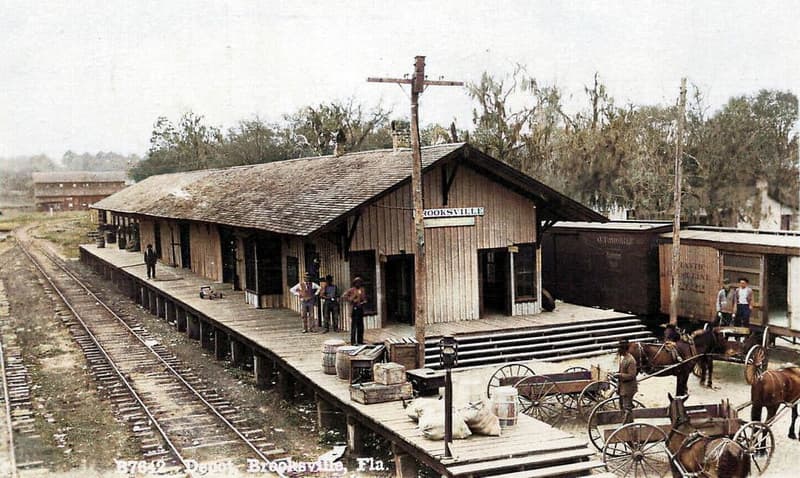
The 1885 Brooksville Train Depot at 70 Russell Street is more than a preserved building. It is a direct clue to how Hernando County’s seat grew from a small inland town into a place tied to trade, travel, and daily routines built around rail access. In 1885, Brooksville had just 500 people, and residents still depended on horse-drawn wagons and stagecoaches to move goods and passengers until four businessmen paid the Florida Southern Railway Company $20,000 to bring the railroad to town.
Why the depot matters to Hernando County
The Florida Historical Marker installed at the site in 2021 gives the clearest snapshot of what rail changed. Before the line arrived, Brooksville was limited by distance and slow transport, which meant every barrel, crate, and traveler took longer to reach market or home. Once rail service came in, the town gained a faster link to the main railroad line near the Withlacoochee River, and that connection changed who could do business in Brooksville and how far the county seat could reach.
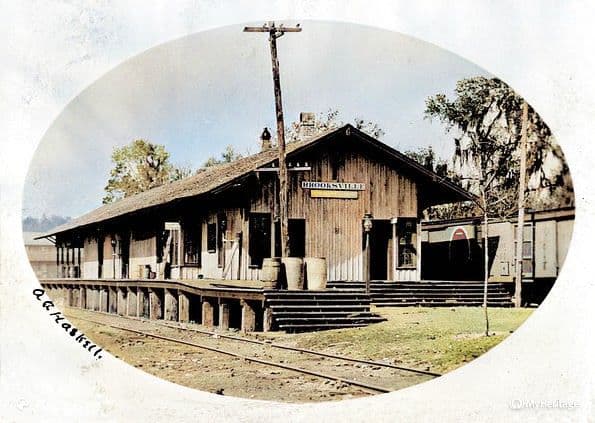
The depot itself helps people picture that shift in physical terms. The marker says the building measured 120 by 21 feet, a size that suggests a working transportation hub rather than a decorative stop, and it was built from local cypress, cedar, and yellow pine. Those materials tie the railroad story to the county’s own landscape: the depot was not imported as a distant symbol, but assembled from the woods and resources around Brooksville.
Rail access mattered because it lowered the friction of daily life. Farm goods could move with less delay, commerce could connect more reliably, and travelers no longer had to depend only on wagons and stagecoaches. That kind of change helps explain why Brooksville developed as a county seat that kept its historic downtown core while much of the region later expanded around highways and newer subdivisions.
What you can see inside the museum
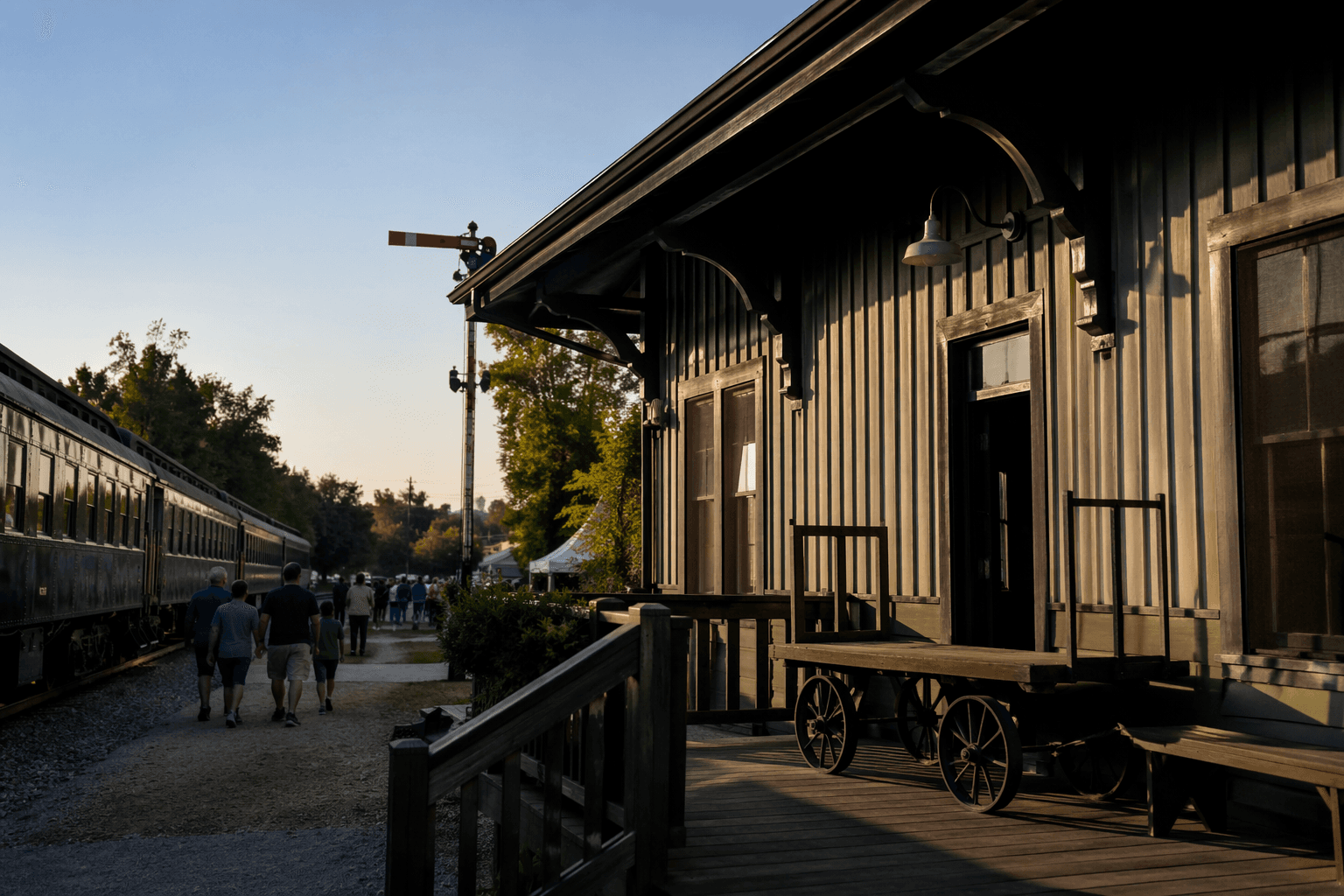
Today, the depot works as both a historic site and a hands-on museum stop. A 2024 Bay News 9 report noted that the building includes two HO model train displays and Brooksville’s 1925 fire engine, which gives the site an appeal that reaches beyond rail fans. Visitors also see an original train car, and a TripAdvisor review says the old fire truck’s siren can be cranked, turning the visit into something families can experience rather than just read about.
That mix matters in a county where a lot of history can feel abstract unless it is tied to a place you can walk into. The train car, model layouts, and fire engine make the depot a concrete reminder that transportation shaped not only the county’s economy, but also its emergency services, civic identity, and day-to-day expectations about how quickly help or goods could arrive. The depot is not just about the past of trains; it is about the infrastructure that supported a growing town.
For families, the site offers an easy history outing in Brooksville. For new residents, it shows why the city’s older center feels different from the county’s newer development patterns. For teachers and students, it offers a local way to discuss how people moved goods before interstates, delivery trucks, and warehouse corridors became common.
The Brooksville Short and the railroad’s wider reach
The Hernando Historical Museum Association deepens that story with a book title that says a lot in a few words: Life and Times of the “Brooksville Short” and the Russell Street Depot by Suzanne Touchton. The association describes the “Brooksville Short” as the nickname for the train that traveled ten miles from the main line near the Withlacoochee River to Brooksville. That short run explains how isolated Brooksville once was and why even a modest rail connection mattered so much.
A ten-mile spur may sound small, but for an inland county town in the late 1800s, it was a lifeline. It linked Brooksville to the broader rail network and gave local merchants, farmers, and travelers access to routes that were otherwise out of reach. The nickname itself captures the scale of the connection and the practical value of a line that brought the county seat into the railroad age without putting it on a main trunk route.
That local rail history also helps explain today’s downtown pattern. Brooksville’s historic core developed in an era when depots were nodes of commerce, not scenic leftovers. The old station sits in the middle of a story about where goods moved, where people gathered, and how a rural county began to organize around transportation infrastructure.
How the museum network keeps that history alive
The depot is part of the Hernando Historical Museum Association’s broader network, alongside the May-Stringer House and the One Room Schoolhouse. The association says it was organized in 1976 to collect, maintain and display items of interest to Hernando County and to provide a place to teach local history. That mission puts the depot in a larger educational framework, where each site helps explain a different piece of the county’s past.
The association lists the depot’s phone number as (352) 799-4766, placing it within an active local-history organization rather than as a one-off tourist stop. That matters because the depot’s value is not only in what it preserves, but in how it fits into a network of places that make Hernando County’s history visible and usable for residents, students, and visitors.
Together, the marker, the exhibits, and the museum association turn the depot into a working interpretive site for the county’s origin story. It shows how rail access reshaped Brooksville’s growth, made commerce less dependent on wagons and stagecoaches, and left behind a building that still explains why the county seat developed where it did.
This article was produced by Prism’s automated news system from verified source data, official records, and press releases, then run through automated quality and moderation checks before publishing. The system is built and supervised by the people who set the standards it runs under. Read our full AI policy.
Did this article answer your question?