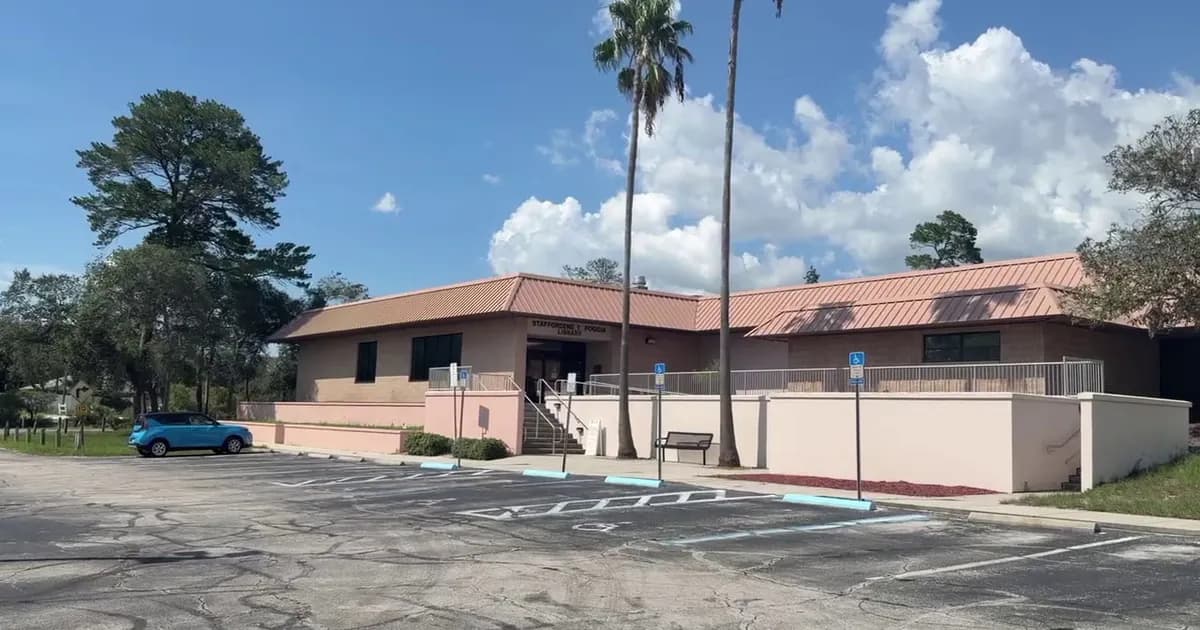
Hernando surveillance cameras raise privacy concerns, critics warn of tracking
Hernando County’s Flock debate hit a March 10 workshop, where questions about who can search plate data and how long it stays resurfaced.
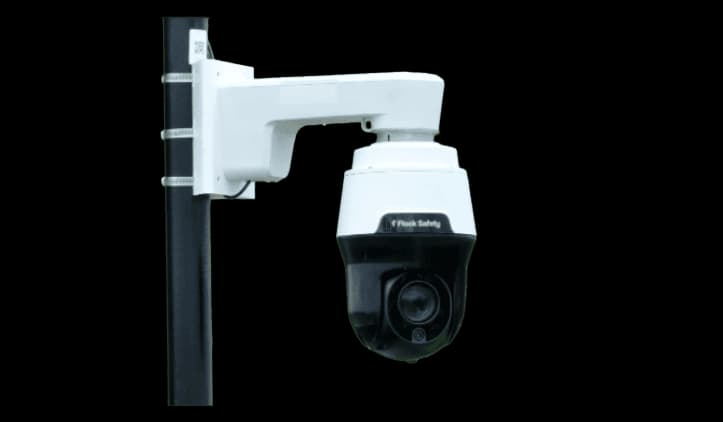
Hernando County’s privacy fight over Flock cameras reached a March 10 workshop at 5:01 p.m., putting the sheriff’s license-plate readers and the county’s oversight rules back in front of commissioners. The proposed Protecting Law Enforcement, Constitutional Rights, and Local Control Ordinance would require Board of County Commissioners approval for any future ALPR installation or operation on county property or rights-of-way and would force a review of current uses. For drivers moving through Spring Hill, Brooksville and along Hernando County roads, the issue is how much of an ordinary trip gets logged, stored and searched.
The county had already put the debate on the formal agenda with a public hearing notice posted for Jan. 13, 2026. By Jan. 6, election-year politics and public outrage had pushed the ordinance into open debate, and Hernando Sun later reported commissioners discussing Flock cameras on Jan. 24. The public record trail shows the county did not stumble into the issue by accident; it was moving through hearings, workshops and commission discussion as residents pressed for clearer limits.
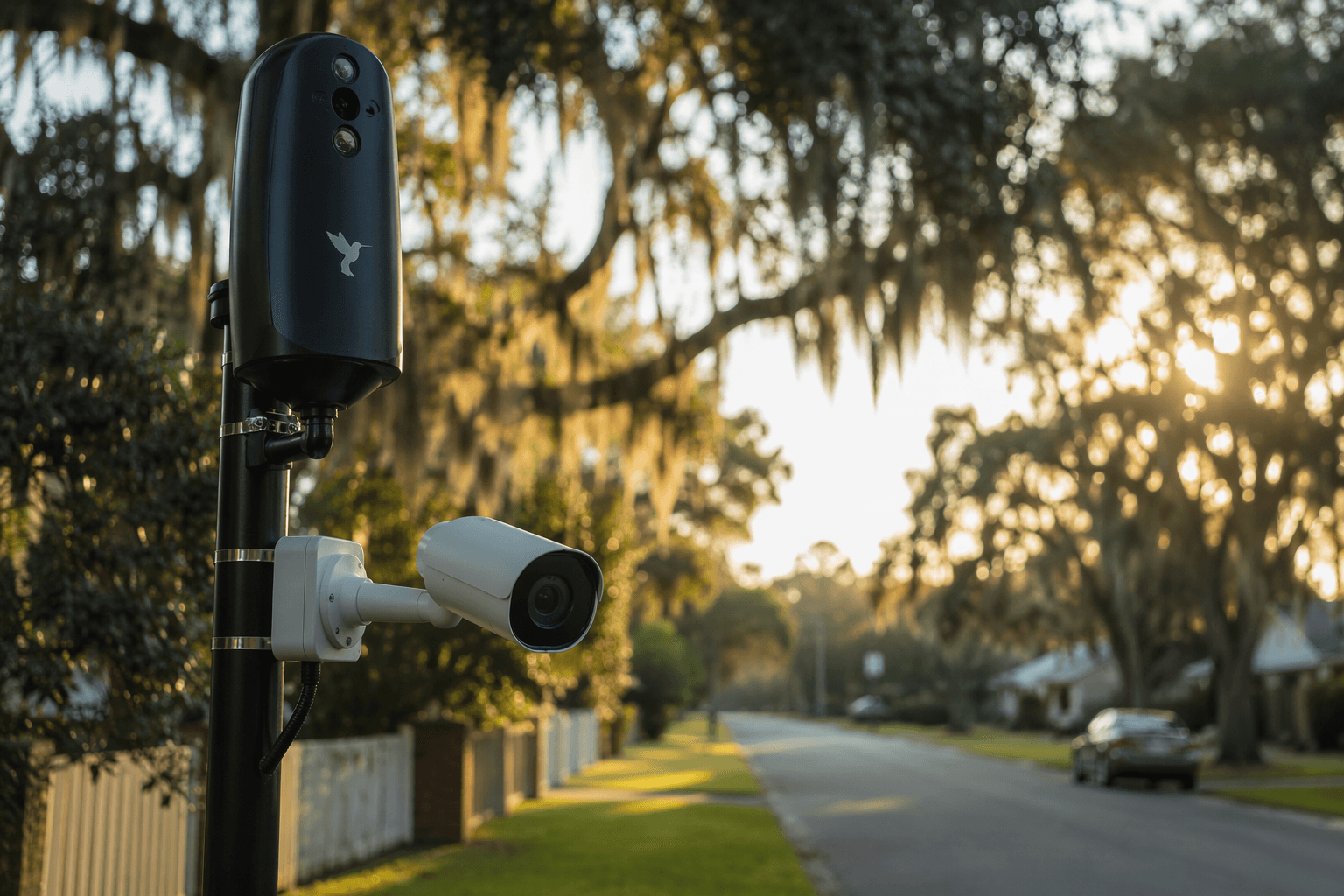
The Hernando County Sheriff’s Office has defended the system as a crime-fighting tool. One sheriff video was titled Technology Update - How ALPR Cameras are Used as a Crime-Fighting Tool in Hernando County, and another was titled LPR Cameras used to Combat Against Child Exploitation. Search results also indicate the sheriff’s office began installing Flock cameras about a year before the 2026 debate intensified, with dozens of license plate-reading cameras placed along county roads.
The dispute now turns on what happens after a plate is captured. Flock’s public materials say the data is encrypted and stored in the cloud, and one public-facing policy says it is automatically deleted after 30 days unless it is retained as evidence. A sheriff-office video says access is limited to trained users, every search is logged, and the data is confidential and exempt from public records. That leaves residents relying on contract terms, retention rules and audit trails to know who can search the system and how often it is used.
The oversight question has widened beyond one hearing. Hernando County’s March 10 workshop kept the privacy issue alive after the January ordinance notice, and the proposed local-control measure would make any new spending on ALPRs a BOCC decision before more cameras go up. A Change.org petition calls for removing the cameras, and the Electronic Frontier Foundation’s Atlas of Surveillance already lists the Hernando County Sheriff’s Office in its ALPR database, placing the county inside a documented network that local officials now have to explain in public.
This article was produced by Prism’s automated news system from verified source data, official records, and press releases, then run through automated quality and moderation checks before publishing. The system is built and supervised by the people who set the standards it runs under. Read our full AI policy.
Did this article answer your question?