Chiricahua Desert Museum in Rodeo showcases desert wildlife and free garden
Rodeo’s Chiricahua Desert Museum packs live rattlesnakes, rare desert wildlife and a free botanical garden into one year-round stop at 4 Rattlesnake Canyon Road.
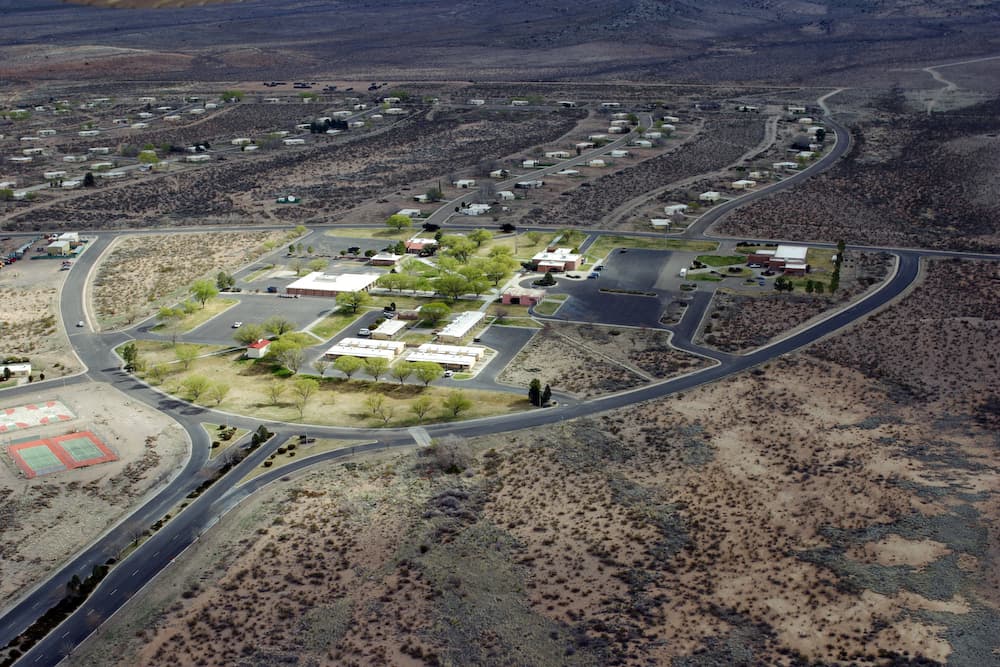
Rodeo’s Chiricahua Desert Museum turns a drive through southeastern Hidalgo County into a stop worth planning around. At 4 Rattlesnake Canyon Road, the museum pairs live desert wildlife with a free botanical garden, Native American artifacts and art built around the Sky Islands and Chihuahuan Desert. For road-trippers, birders and families, it offers a concentrated look at the borderlands without leaving the county.
What visitors actually see
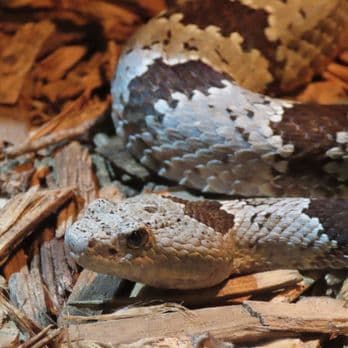
Inside, the museum says its living collection includes more than 60 species of wildlife native to the North American Southwest and Sky Islands, with more than 34 species of rattlesnakes forming the core of the exhibit. That focus makes the place unusually specific: this is not a generic reptile room, but a site built around one of the desert’s most recognizable and misunderstood animals. The museum also says some of its animals are among the rarest and most endangered species native to the Chihuahuan Desert.
The conservation angle goes beyond display cases. The museum says it has ongoing breeding programs for the Coahuilan box turtle and the Bolson tortoise, two species that give the collection a direct tie to desert recovery work. A visitor does not just see wildlife behind glass, but a carefully framed look at the pressures and adaptations that define survival in this landscape.
The collection page broadens the experience further with Native American artifacts and a library of herpetology. That mix of biology, cultural material and reference collections gives the museum a depth that many roadside attractions never reach. It makes the stop useful for a quick visit and still substantial enough to hold a longer one.
A free garden in the middle of the desert
The botanical garden is one of the museum’s best practical draws. The garden sits between the Sonoran and Chihuahuan Deserts and features native cacti, yucca, agave, grasses and trees, a plant palette that matches the broader borderlands ecology around Rodeo. It is also free for all visitors, which makes it one of the most accessible outdoor stops in Hidalgo County.
That matters in a county where many trips are long and every added stop has to earn its place. Families can stretch their legs, plant lovers can scan a compact desert landscape, and travelers can get a feel for the region without needing a separate ticket. The garden’s free entry turns the museum into more than an indoor exhibit hall, it gives the site a second, open-air reason to pull off the road.
Why it fits Rodeo and Hidalgo County
The museum’s setting is part of what makes it work. Local coverage has described the museum as anchored in a historic 1910 building and as a cultural and tourism anchor for Rodeo, supporting artists and helping shape the town’s visitor economy. The Hidalgo County Chamber of Commerce lists it as a world-class tourist destination, which fits the way it functions on the ground, not as a standalone novelty but as part of the town’s identity.
That identity is tied to the landscape around it. The museum’s focus on the Sky Islands and the North American Southwest reflects the ecology of the borderlands that stretch through the bootheel. In a remote part of the county where wildlife, ranching, travel and desert survival all overlap, the museum feels rooted in place rather than borrowed from somewhere else.

The result is a stop that works for locals and pass-through traffic alike. Residents can use it as a place to bring visiting relatives or school-age children, while travelers heading through the bootheel get a compact introduction to the region’s reptiles, plants and cultural material. It is the kind of attraction that can change a drive from a pass-through into a destination.
Hours, admission and the practical details
The museum says it is open 9 a.m. to 5 p.m. every day, closing only on Thanksgiving and Christmas Day. That daily schedule makes it one of the more reliable attractions in a rural corner of the county, especially for travelers whose plans do not always line up neatly with weekend-only hours.
Admission is listed at $15 for adults and $10 for youth under 12, seniors 55 and over, active military and first responders. Children 5 and under are free with a paid guardian. Those prices, paired with the free garden, make the museum a workable outing for a range of budgets.
Founder Bob Ashley opened the museum in Rodeo on April 1, 2009, and staff biographies describe it as an educational exhibit of reptiles and amphibians from the Western Hemisphere with a special focus on rattlesnakes of the Sky Islands. That founding detail matters because the museum has not drifted into a generic tourism role; it was built around a clear subject and has kept that focus.
The landmark that gives it a face
Few museum stops in the bootheel have a roadside marker as memorable as Tell’s Tail. Wildlife artist Tell Hicks created the giant rattlesnake sculpture, which New Mexico Magazine described as the world’s largest rattlesnake tail at 18 feet tall. It gives the museum a visual signature that matches its subject matter and makes the site easy to remember long after the drive home.
A separate travel listing highlights more than 50 local desert reptiles and what it describes as the world’s largest snake bite kit collection. Taken together with the live exhibits and the art gallery, that points to a place that blends desert science, survival history and public art into one compact visit.
That combination is why the Chiricahua Desert Museum stands out in Hidalgo County. It gives Rodeo a year-round destination built from the region’s own wildlife, plants and stories, and it does so in a way that makes the drive feel worth it before visitors even leave the parking lot.
This article was produced by Prism’s automated news system from verified source data, official records, and press releases, then run through automated quality and moderation checks before publishing. The system is built and supervised by the people who set the standards it runs under. Read our full AI policy.
Did this article answer your question?