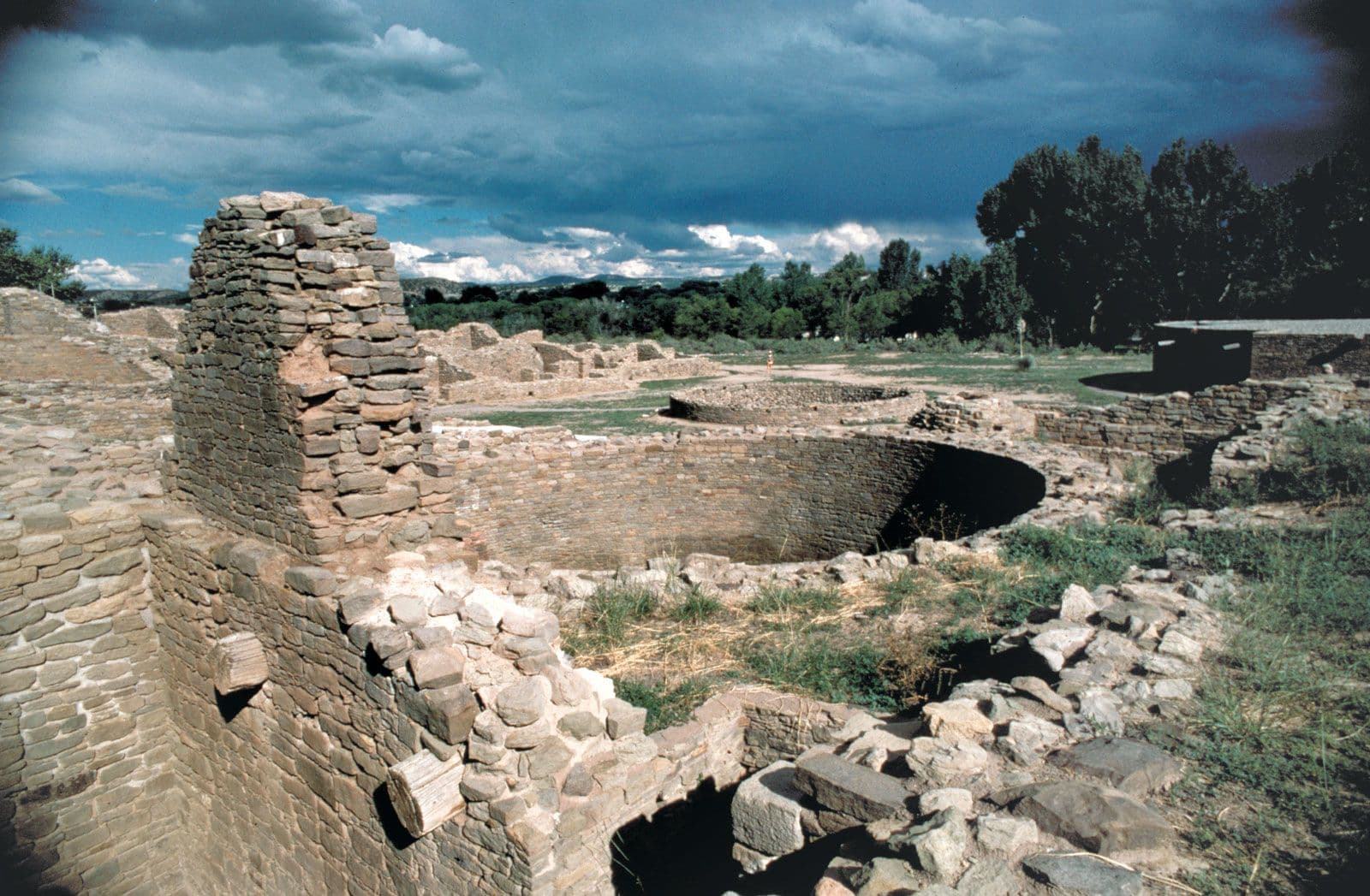
Lordsburg is birthplace of New Mexico’s official state song
Elizabeth Garrett wrote O Fair New Mexico in Lordsburg, and New Mexico made it official in 1917, turning a Hidalgo County stop into a piece of state identity.
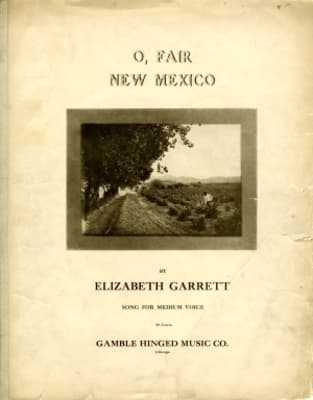
Lordsburg has one of Hidalgo County’s clearest cultural claims: Elizabeth Garrett wrote O Fair New Mexico while living there, and the song went on to become New Mexico’s official state song in 1917. That makes the town more than a stop on Interstate 10 or the old U.S. Route 80 corridor. It is the place where a statewide symbol took shape before traveling into public life.
The woman behind the state song
Elizabeth Garrett was the blind daughter of Pat Garrett, the famed sheriff whose name is already tied to New Mexico history. The New Mexico Historic Women Marker Program says she was born on October 9, 1885, in Alto, near Ruidoso, and lost her sight at or shortly after birth. Her family later moved to Roswell, but her connection to Lordsburg is the one that links her most directly to Hidalgo County.
That matters because O Fair New Mexico was not a casual tune written for a single event. Garrett composed it in 1915, before New Mexico statehood reached its seventh anniversary, and the song quickly moved from a local composition to a state defining piece of music. In a state where identity is often expressed through landscape, roads, and regional memory, Lordsburg’s place in that chain is unusually concrete.
How the song became New Mexico’s official anthem
The New Mexico Secretary of State records March 14, 1917, as the date O Fair New Mexico was officially adopted. Governor Washington E. Lindsey signed the legislation that made it the state song, turning Garrett’s composition into an official emblem of New Mexico government and public culture.
The University of New Mexico Digital Repository also places the formal approval in 1917, reinforcing the same legislative milestone. That matters because the song did not simply circulate as a favorite melody. It passed through the legislature, received the governor’s signature, and entered the state’s official record as part of New Mexico’s civic identity.
The timeline gives the song extra weight. Garrett wrote it in 1915, the legislature approved it in 1917, and the state then adopted it as a formal symbol only a few years after statehood. For Hidalgo County readers, that means Lordsburg was tied to a state anthem at the exact moment New Mexico was still defining itself.
From Lordsburg to Chicago to a Sousa tribute
Garrett’s song did not stay still after adoption. New Mexico history sources say she recorded O Fair New Mexico in Chicago in 1924, giving the song a professional musical life beyond the statehouse. That recording marks a step between local composition and broader public recognition.
Four years later, John Philip Sousa added another layer to the story. In 1928, Sousa presented Governor Arthur T. Hannett and the people of New Mexico an arrangement of the state song. The United States Marine Band later described Sousa’s New Mexico march as drawing on several songs from the state’s musical tradition, including O, Fair New Mexico, La Desgracia, Peña, and Recuerdas de Amistad.
That sequence is important because it shows how a song written by Garrett in New Mexico, and tied to Lordsburg in particular, became part of a larger state musical identity. The song moved from a local setting, to legislative approval, to a recorded performance, and then into a Sousa arrangement that placed it alongside other New Mexico melodies.
Why Lordsburg’s role still matters
Lordsburg’s connection to the state song fits the town’s long role as a crossroads community. New Mexico Tourism describes it as a longtime rest stop for travelers on Interstate 10 and the older U.S. Route 80, with more than a dozen motels and over 300 rooms. That travel economy explains why the town has always been a place where people pass through, pause, and move on.
That same geography makes the song story especially useful to Hidalgo County. A traveler-friendly town that already serves highway traffic also carries one of the state’s most recognizable cultural claims. The state song is not an abstract item from Santa Fe or Albuquerque history. It is connected to a town where movement, lodging, and exchange have long shaped daily life.
For local schools, civic groups, and public institutions, that leaves a clear opportunity. O Fair New Mexico is not just a music lesson or a statehouse footnote. It is a Lordsburg story, a Garrett story, and a New Mexico story all at once, with a paper trail that runs from a 1915 composition to the legislature’s 1917 approval and Sousa’s 1928 tribute.
In Hidalgo County, that kind of legacy is rare. Lordsburg is not only a place people cross on the way elsewhere. It is one of the places that helped define what New Mexico sounds like.
This article was produced by Prism’s automated news system from verified source data, official records, and press releases, then run through automated quality and moderation checks before publishing. The system is built and supervised by the people who set the standards it runs under. Read our full AI policy.
Did this article answer your question?