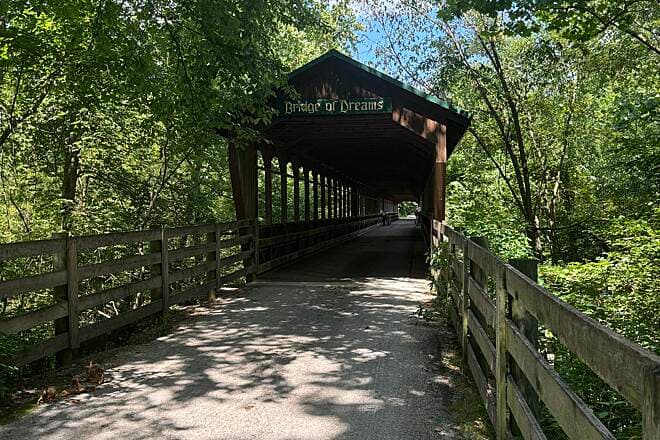
Killbuck Marsh wildlife area spans 5,703 acres in Holmes County
Killbuck Marsh spreads across 5,703 acres east of Shreve, with a trail, migration birds, and wetland habitat that make it one of Holmes County’s best close-to-home escapes.

Killbuck Marsh Wildlife Area covers 5,703 acres about 2 miles east of Shreve in Holmes and Wayne counties, with wetland, swamp, woods, ponds, streams, and brush spread across a landscape that still feels wild. For Holmes County, it is a rare state wildlife area that can turn into a birding stop, a quiet walk, or a hunting destination without a long drive.
A wetland shaped by water, not by scenery alone
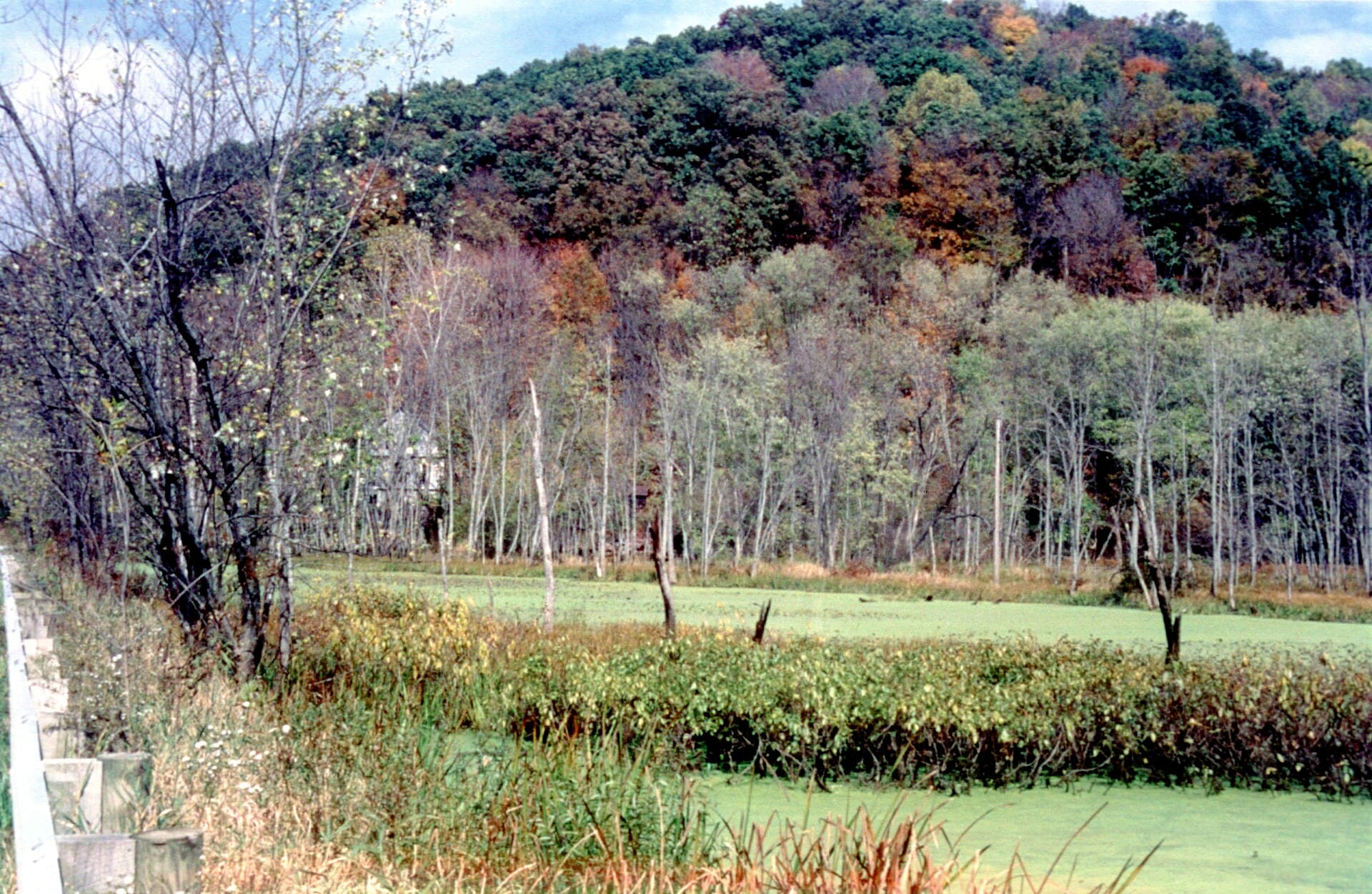
The Ohio Department of Natural Resources says 90% of the state’s original wetlands have been destroyed, and Killbuck Marsh sits inside one of the largest remaining wetland complexes away from Lake Erie. In the Killbuck Creek Valley, which runs through Wayne, Holmes, and Coshocton counties, the marsh is part of a broader landscape that still holds marsh, swamp, and flood-prone ground instead of farm fields alone.
ODNR says about 56% of the acquisition unit is marsh and swamp that is flooded during some portion of the year. That is why the area looks and acts differently from other public lands in the county: the habitat shifts with rain, thaw, and season. ODNR’s map places the area in a shallow, U-shaped glacial outwash valley between State Route 83 and State Route 226, with land stretching north from Holmesville to about 3 miles south of Wooster.
How to get there without insider knowledge
The wildlife area is a broad wetland corridor rather than a single entrance-and-lot destination. It reaches through a valley that is easy to miss if you are only driving through on the highways. First-time visitors usually need a map to make sense of the access points and the different pieces of the property.
A practical visit starts with the terrain itself:
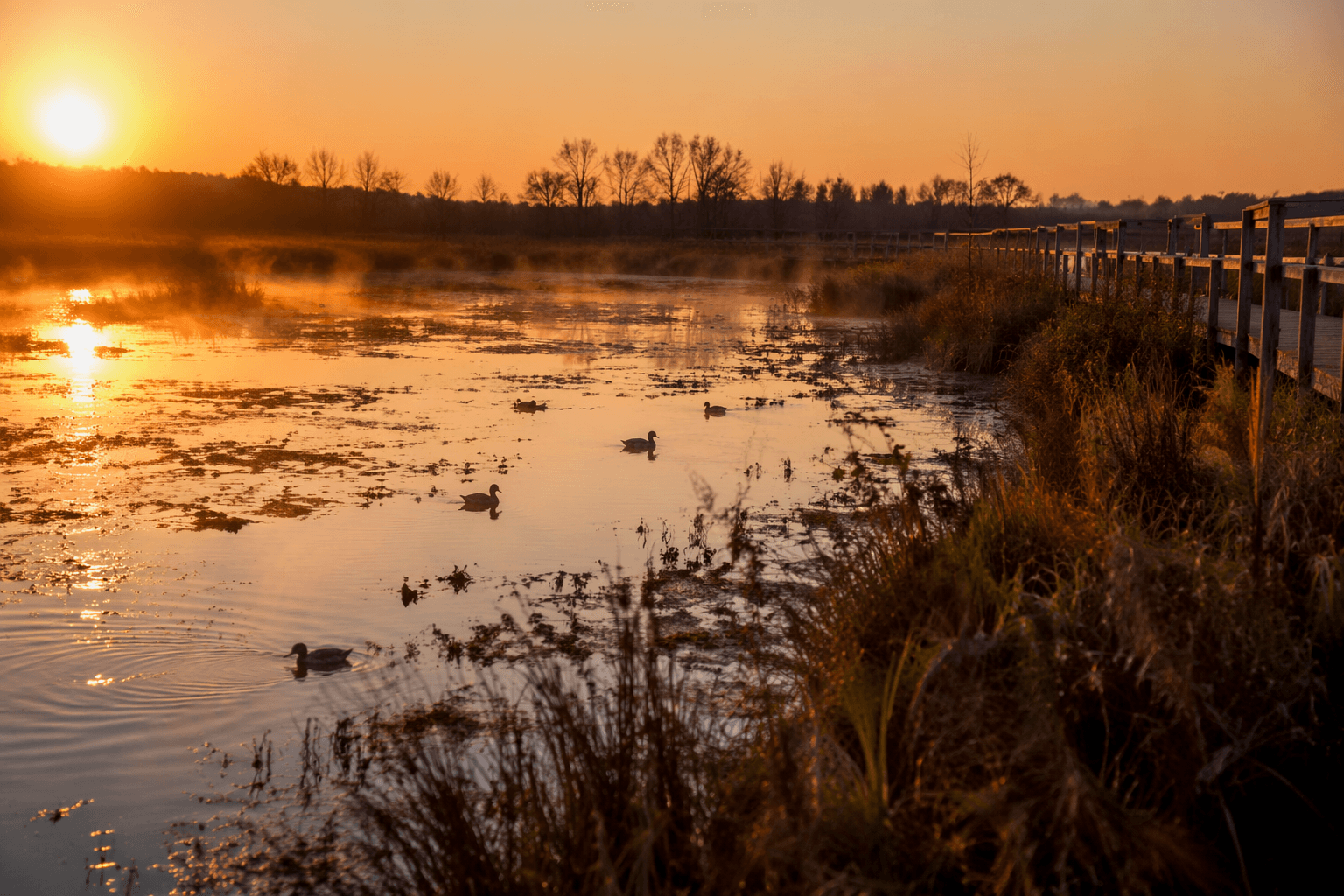
- Expect soft ground and wet footing in many areas.
- Bring muck boots, especially if you plan to use the trail or step off the drier edges.
- Plan enough time to look around, because the wildlife area does not reveal itself in one quick pass.
A 3.7-mile wildlife observation and earthen foot trail on the marsh gives casual visitors a straightforward way to experience the habitat on foot. The trail is not a manicured park loop; it is part of a working wetland landscape.
What you can see this season
The best payoff for a short visit is wildlife watching, especially if you time the trip around bird movement. The broader Killbuck Marsh area has sandhill cranes, bald eagles, muskrats, minks, and beavers, and visitors can also view birds such as trumpeter swans. The marsh’s mix of open water, flooded ground, brush, and cover creates the kind of habitat that keeps wildlife visible without requiring a full-day backcountry outing.
That makes the area useful in more than one season. In fall and winter, the Ohio Division of Wildlife includes Killbuck Marsh in its bi-weekly waterfowl survey, placing it among the monitored northern wetland sites used to track waterfowl abundance during migration. If you are hoping for movement on the water or in the sky, those months are the ones to watch most closely.
Why the marsh draws more than birders
Killbuck Marsh is managed as a wildlife area, not just preserved as scenery. ODNR says the property’s acquisition began in 1970 and continued through 2010, using multiple state funds, donations, and federal Wildlife Restoration money.
The management work is specific and ongoing: protecting existing woodlands, controlled burning, selective spraying, food patches, and planting thousands of trees and shrubs to create permanent wildlife cover. ODNR also identifies Wright’s Marsh, a 350-acre diked wetland off State Route 226, as a restored area completed in partnership with Ducks Unlimited.
The wildlife area has also been used for species restoration. ODNR’s map says river otters were released there in January 1991 and trumpeter swans in August 1997.
What changed for hunters and other users
Killbuck Marsh is also a public-use landscape with more than one kind of access. ODNR included it among wildlife areas newly open to permit-only controlled hunting access in 2025, which means the property is part of the state’s active hunting management system as well as its birding and hiking network.
This article was produced by Prism’s automated news system from verified source data, official records, and press releases, then run through automated quality and moderation checks before publishing. The system is built and supervised by the people who set the standards it runs under. Read our full AI policy.
Know something we missed? Have a correction or additional information?
Submit a Tip