California Trout gets $4 million for Eel River estuary restoration
A $4 million state grant moved the Cannibal Island marsh project closer to construction, with tidal channels, salmon habitat and flood buffers at stake near Loleta.
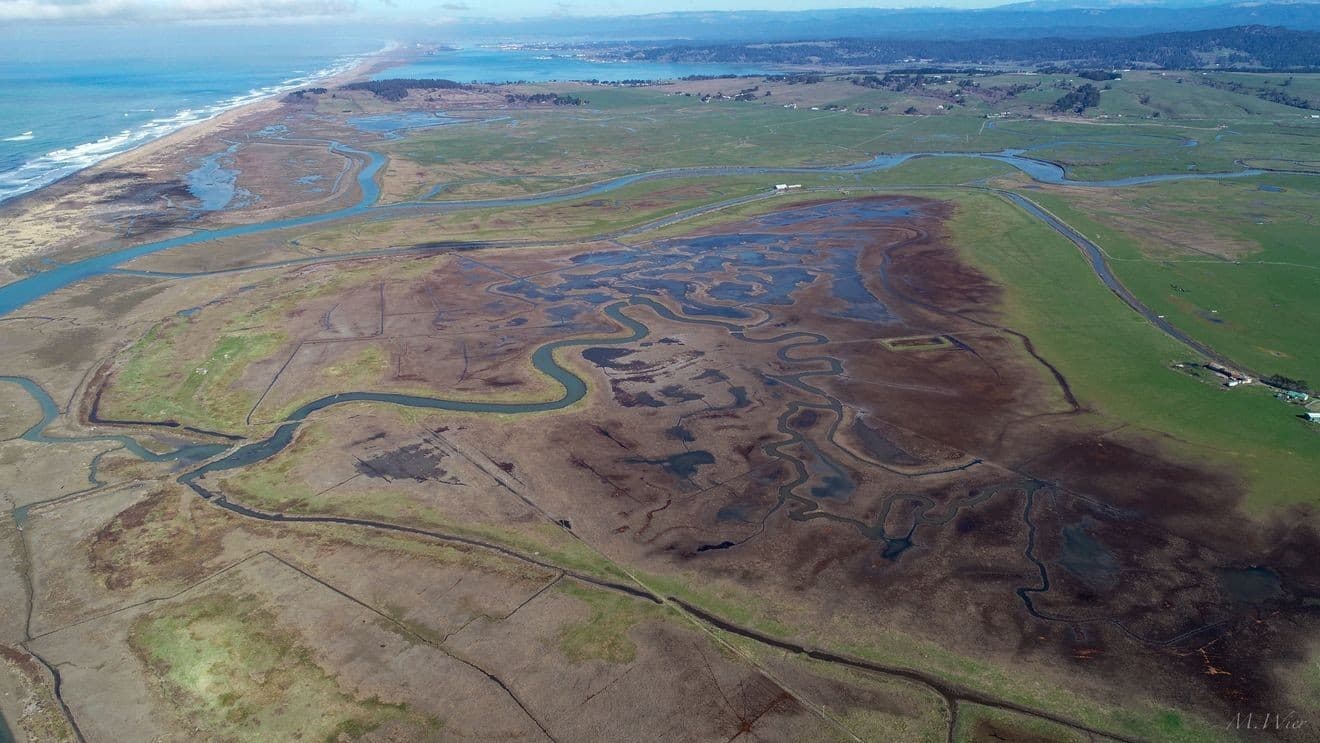
A $4 million state grant pushed California Trout’s Cannibal Island restoration effort in the lower Eel River estuary closer to construction, putting real money behind a project that is supposed to restore tidal flow, improve habitat and give the marsh more room to absorb rising water near Loleta. The funding from the Wildlife Conservation Board lands as a concrete step for Humboldt County, not a ceremonial one: the work could move into implementation around June 2027.
The grant was approved at the board’s May 28 meeting in Sacramento as part of an $80.4 million package for wildlife connectivity, salmon recovery, biodiversity and public access. It also aligns with Proposition 4, the 2024 bond act for safe drinking water, wildfire prevention, drought preparedness and clean air, giving the local project statewide policy weight as part of California’s Salmon Strategy for a Hotter, Drier Future and Gov. Gavin Newsom’s 30x30 conservation goal.

At the center of the plan is the Cannibal Island Unit, which California Trout describes as a 950-acre site in the lower Eel River estuary. State environmental records show the project area at 794 acres, about 3 miles west of Loleta, along Cannibal Island Road and Sevenmile Slough Road. Those filings say the restoration will reconnect full tidal exchange to about 500 acres of former tidal marsh by removing degraded water control structures, excavating historic slough channels and restoring natural marsh topography.

For Humboldt County, the payoff is meant to be visible on the ground. The project is designed to strengthen habitat for coho salmon, Chinook salmon, steelhead, Dungeness crab, tidewater goby, longfin smelt, green sturgeon, lamprey and listed native plants and wildlife. It is also intended to help buffer adjacent agricultural land and preserve some grazing use, a sign that the restoration is being shaped around the working landscape already in place along the estuary rather than a wholesale removal of human use.
The accountability for delivering those results now falls on California Trout and its partners, including private landowners and technical firms working on the project, after years of planning and state review. The California Department of Fish and Wildlife requested concurrence for a statutory exemption in February 2024, the director concurred in April 2024, and a notice of exemption followed that same month, clearing one more hurdle toward construction.
The broader Eel River Wildlife Area was acquired by the state in 1968 to protect and enhance coastal wetland habitat, and the surrounding estuary has long been shaped by diking, draining and agricultural conversion. Local advocates also point out that it is ancestral Wiyot land. With public access improvements such as an ADA-accessible trail and interpretive signage also planned, the project could eventually change not just the marsh ecology, but how residents and visitors experience one of the North Coast’s most important estuarine landscapes.
This article was produced by Prism’s automated news system from verified source data, official records, and press releases, then run through automated quality and moderation checks before publishing. The system is built and supervised by the people who set the standards it runs under. Read our full AI policy.
Did this article answer your question?