Coast Guard medevacs cruise ship passenger with stroke symptoms on Humboldt Bay
A woman on a cruise ship offshore Humboldt Bay was medevaced after stroke symptoms, sending Coast Guard crews into a race where every minute mattered.
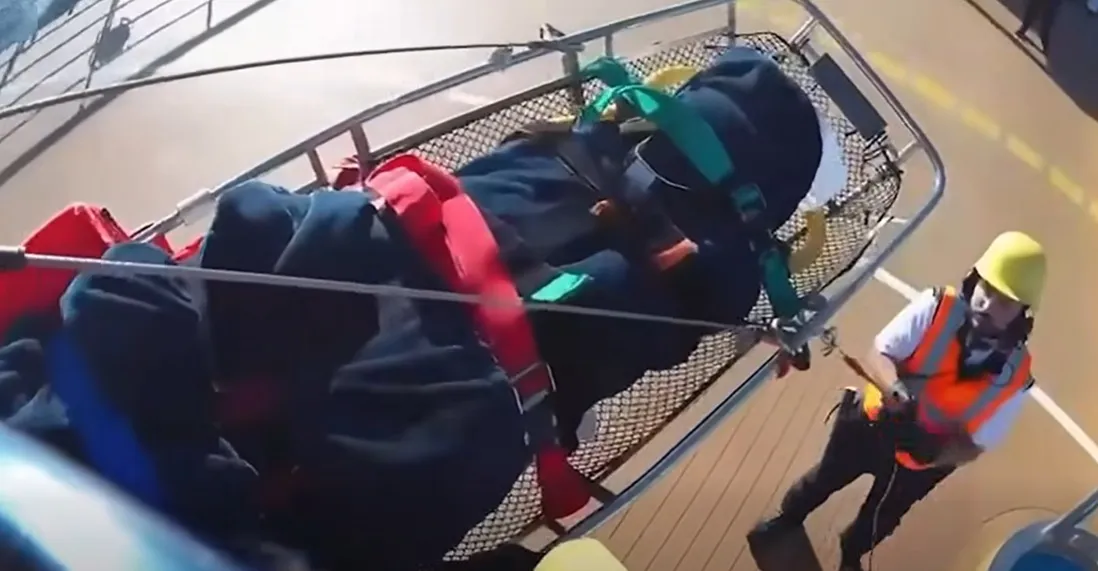
The U.S. Coast Guard medevaced a woman from a cruise ship offshore Humboldt Bay after she showed stroke symptoms, turning a quiet stretch of the North Coast into a fast-moving medical response. The rescue pulled together shipboard crew, Coast Guard personnel and medical care on shore in one of Humboldt County’s most visible waterways.
The medevac took place July 18, when the passenger needed urgent transport off the vessel and toward advanced care. Stroke symptoms are time-sensitive because the faster a patient reaches treatment, the better the chance of limiting long-term damage, which is why marine rescues like this move at the speed of the emergency, not the pace of the harbor.

Station Humboldt Bay remains a longstanding Coast Guard presence in the area, and the rescue fell within District 11’s broad Pacific network. District 11 now includes four active air stations stretching from Humboldt Bay down to San Diego, a regional structure built for the kind of call that can happen anywhere along the coast, from a working harbor to a cruise ship offshore.
The Humboldt Bay medevac was not the first time a cruise ship passenger off Humboldt County needed Coast Guard help. On Sept. 24, 2024, a Coast Guard helicopter aircrew medically evacuated an 8-year-old boy from the cruise ship Royal Princess about 20 miles west of Eureka, another reminder that visitors and residents alike can end up depending on rapid response over open water.
For Humboldt County, the rescue shows how emergency care reaches beyond ambulances and emergency rooms. It also depends on the Coast Guard assets, harbor coordination and shoreline readiness that can move a patient from a ship on Humboldt Bay to the next level of care in minutes, not hours.
This article was produced by Prism’s automated news system from verified source data, official records, and press releases, then run through automated quality and moderation checks before publishing. The system is built and supervised by the people who set the standards it runs under. Read our full AI policy.
Did this article answer your question?