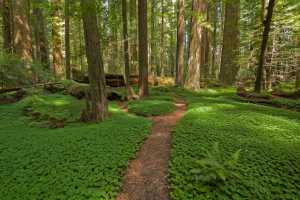
Fort Humboldt links Indigenous history, military past and redwood heritage
Fort Humboldt is where military occupation, Wiyot survival and logging mythmaking collide above Humboldt Bay. The park now asks visitors to read that conflict clearly.
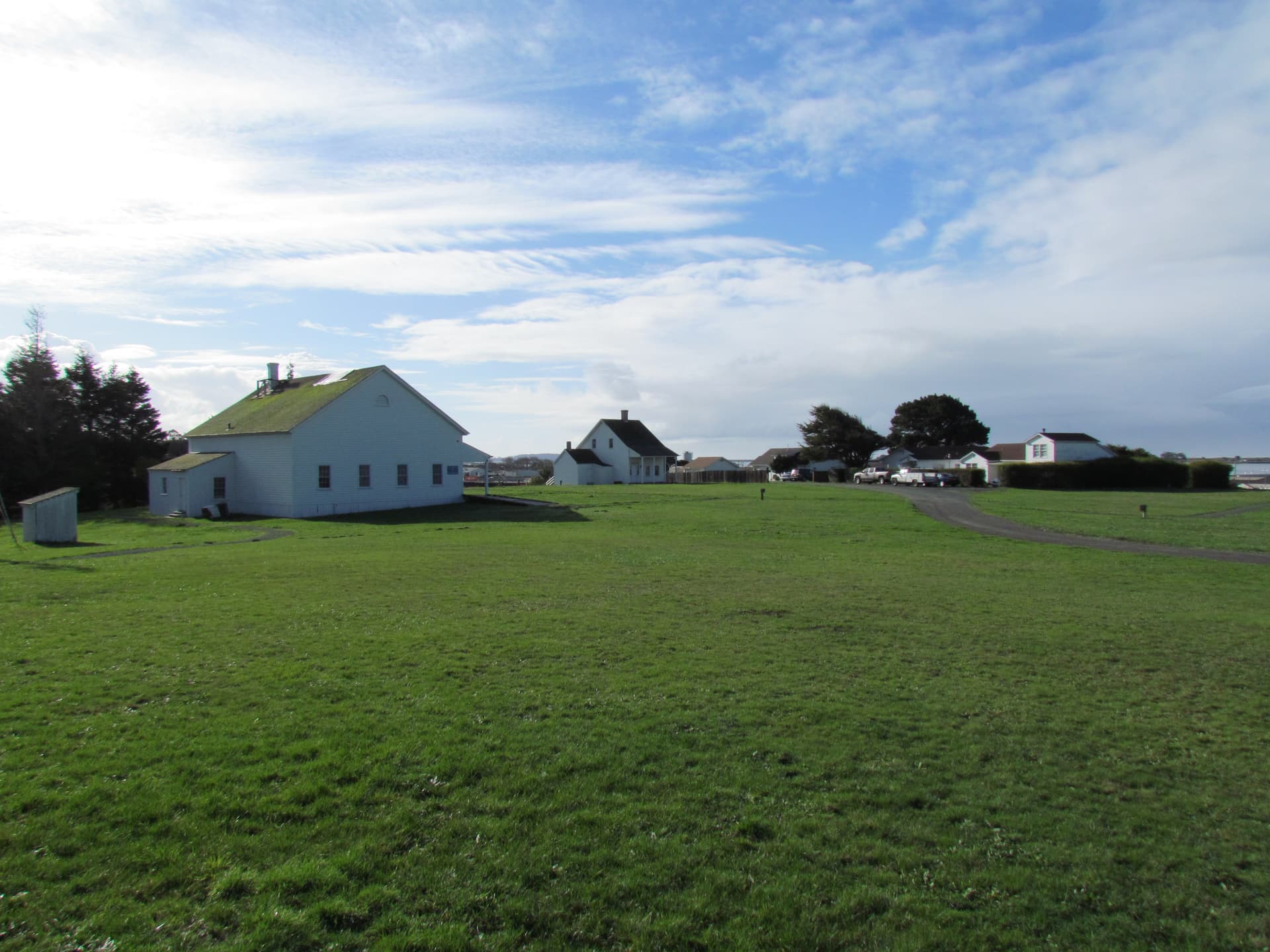
Fort Humboldt is one of the few places in Humboldt County where the county’s military, Native and timber histories are still visible on the same bluff. Built above Humboldt Bay in Eureka, the site keeps forcing a harder question than most historic parks do: whose version of the North Coast gets centered, and whose losses have been turned into the backdrop.
What Fort Humboldt was built to do

Fort Humboldt was established in 1853 as a remote military post, and it quickly became headquarters of the Humboldt Military District. That district stretched far beyond today’s county lines, from northern Mendocino County through Humboldt County to Klamath and near present-day Crescent City, which is why the fort belongs to a wider North Coast story instead of a single-site local one.
The post also tied Eureka to a chain of federal power up and down the coast. It served as a supply depot for other posts around the California-Oregon border, including Fort Gaston in Hoopa and Fort Bragg in northern Mendocino County. Ulysses S. Grant was stationed here as Captain of Company F, 4th Infantry, in 1853 and 1854, and he resigned after about six months, a brief posting that links a national figure to a place many people still know only by name.
Why the Native history cannot be pushed aside
The fort sits on Wiyot territory, and the Wiyot people say they have lived around Humboldt Bay since time immemorial on unceded ancestral land. Tuluwat on Indian Island is the spiritual center of the people, and the 1860 massacre there remains one of the deepest wounds in the region’s history.
The Wiyot Tribe says surviving community members later took refuge at Fort Humboldt, where nearly half died from exposure and starvation before forced relocations continued. California State Parks also says the fort became a focal point in the violent struggle between settlers and Native people, and that many Native Americans were assembled there before removal to reservations. Its interpretation now explicitly includes the impact of miners and settlers on the Yurok, Karuk, Tolowa, Hupa, Wiyot, Wintun, Yuki and Shasta tribes, which is the only honest way to explain why the site remains so charged.
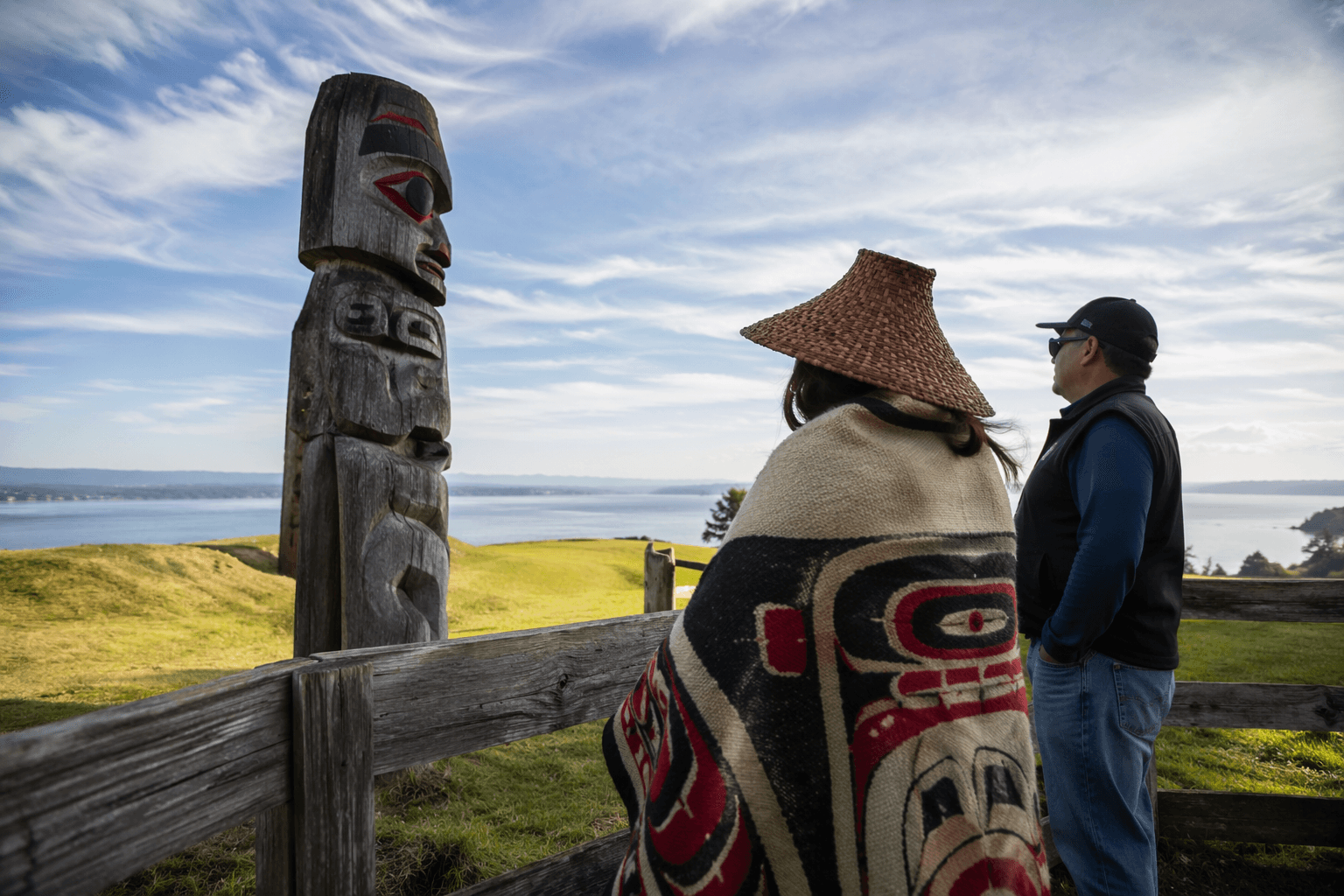
The tribe’s present-day work matters as much as its past trauma. The Wiyot Tribe says it has about 600 members and is actively recovering language, ceremony and lifeways, a reminder that this story is not sealed in the nineteenth century. On January 21, 2022, Wiyot Tribe representatives, community members and park staff installed a land acknowledgement sign at Fort Humboldt, a small but visible correction to decades of public memory that centered soldiers and settlers first.
What still stands on the bluff
The original fort is mostly gone. California State Parks says only the hospital building remains from the original fourteen structures, while the Surgeon’s Quarters was reconstructed in the 1980s and a historic herb and vegetable garden was recreated beside the hospital in 2001.
That mix of original fabric and later reconstruction is part of what makes the site readable today. Fort Humboldt was registered as a California Historic Landmark on January 11, 1935, then the property was donated to the City of Eureka and became a state historical park in 1955. By the time state protection arrived, the site had already shifted from military installation to local museum to public park, and each transition changed what visitors were encouraged to notice.
A 0.57-mile accessible loop trail now threads through the historic core, making the bluff-top landscape easier to walk and easier to see in one pass. That short loop is one of the most useful ways to understand the park because it pulls the surviving hospital, reconstructed quarters and interpretive features into a single visit instead of scattering the experience.
How logging heritage is framed here
Fort Humboldt is also a logging museum, and that part of the site matters because it captures the other major force that reshaped the North Coast. The open-air displays include the Dolbeer Steam Donkey, “Lucy,” the Bear Harbor Lumber Company Gypsy Locomotive No. 1, and the Elk River Mill and Lumber Company’s “Falk” locomotive, all named objects that turn industrial history into something visitors can stand beside.
Those machines are not just memorabilia. They belong to the broader redwood economy that transformed Eureka and the surrounding counties, and California State Parks places Fort Humboldt inside the North Coast Redwoods District, which spans Del Norte, Humboldt and northern Mendocino counties, includes 22 park units and covers more than 130,000 acres. The district also contains 55 percent of the remaining old-growth redwoods on the planet, which is why the site works best when it is read as part of a living stewardship landscape, not just as a relic of logging’s past.
Redwood Parks Conservancy’s “Steam Ups” help make that history physical again. The demonstrations run on the third Saturdays from May through September, bringing the logging equipment to life and showing how machinery, labor and forest extraction shaped the region’s economy. It is a useful program, but it also reminds visitors that the redwood story is not only about preservation and scenic beauty; it is about an industry that depended on the same landscape now protected for its surviving old growth.
How the site is being reinterpreted now
The park’s current interpretation is moving farther from nostalgia and closer to accountability. California State Parks says stewardship and restoration across the North Coast Redwoods District are increasingly led by local Tribes and Indigenous communities, with partnerships that also involve the National Park Service, schools and nonprofits.
That shift changes what visitors and locals should expect from Fort Humboldt. It is no longer enough to see the bluff as a military outpost, a Grant site or a logging display with a pretty view of Humboldt Bay. The place now has to be understood as a record of occupation, displacement, survival and industrial ambition all layered together, and the land acknowledgement sign installed in 2022 makes that harder history more visible.
For anyone walking the 0.57-mile loop, the important thing is not to separate those stories into neat exhibits. The hospital, the reconstructed quarters, the logging engines and the Wiyot land acknowledgement all point to the same fact: Fort Humboldt is still a contested site of memory, and the county’s past looks different once Native loss and resilience are placed at the center of it.
This article was produced by Prism’s automated news system from verified source data, official records, and press releases, then run through automated quality and moderation checks before publishing. The system is built and supervised by the people who set the standards it runs under. Read our full AI policy.
Did this article answer your question?