Karuk Tribe warns Klamath salmon recovery is real, but incomplete
Juvenile salmon on the Klamath are reaching habitat opened by dam removal, but Karuk leaders say warm, low flows and C. shasta show recovery is still fragile.
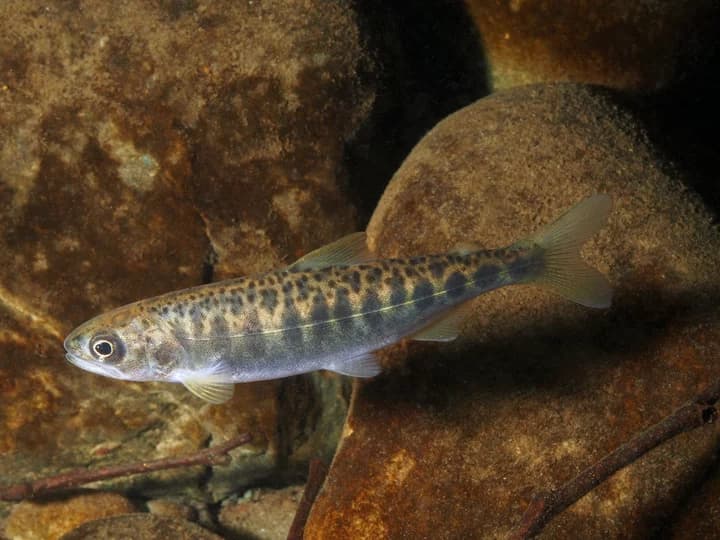
The Klamath River is moving back toward life, but the Karuk Tribe says the river is not healed yet. Recent monitoring found pressure from Ceratonova shasta in juvenile salmon in the upper river, a reminder that dam removal opened the door to recovery while the ecosystem is still absorbing more than a century of blockage, altered flows and damaged habitat.
Karuk fisheries staff say juvenile Chinook are now using habitat that had been cut off for generations, exactly the kind of access dam removal was meant to restore. But this year’s low snowpack, early snowmelt, low flows and warm water created hard conditions for young fish and made disease spread more likely. Karuk Vice Chairman Kenneth Brink said dam removal gave the Klamath a fighting chance, but not an instant cure. Senior biologist Toz Soto said the science shows two things at once: salmon are reaching historic habitat again, and the warm, low-flow conditions this year are punishing them.

The current monitoring effort is being run by the U.S. Fish and Wildlife Service’s California-Nevada Fish Health Center, the Arcata Fish and Wildlife Office, and the Karuk and Yurok tribes. The Fish Health Center, established in 1982 and co-located with Coleman National Fish Hatchery in Anderson, said it will provide time-sensitive QPCR testing of juvenile Chinook and regular estimates of C. shasta prevalence and parasite DNA copy number to managers during the outmigration season.
The concern is familiar in the Klamath Basin. In 2024, U.S. Fish and Wildlife Service monitoring tested 1,197 juvenile Klamath River Chinook salmon between March and August. Initial C. shasta detection came on April 23. The highest proportion of disease-rated salmon reached 37% in the Shasta River to Scott River reach, and Fall Creek hatchery fish showed 73% infection prevalence, with disease detection within a week of May releases. That report also tied the problem to altered flow, turbidity and temperature after dam removal, with warmer March and April weather likely helping infections take hold earlier.
The larger picture is why tribal leaders keep stressing patience. NOAA Fisheries has said the Klamath dam removal project reopened 420 miles of habitat to salmon and was the largest dam removal in U.S. history, but stable population recovery could still take 10 to 15 years across several generations. The U.S. Geological Survey says restoration is also continuing on about 2,200 acres of formerly submerged lands. For Humboldt County, where water quality, fisheries and tribal sovereignty are all tied to the same watershed, the lesson is plain: removing the dams was a milestone, not the finish line.
This article was produced by Prism’s automated news system from verified source data, official records, and press releases, then run through automated quality and moderation checks before publishing. The system is built and supervised by the people who set the standards it runs under. Read our full AI policy.
Did this article answer your question?