Klamath River juvenile Chinook die-off warns of salmon recovery risks
Warm water and parasites are cutting into young Klamath Chinook just after dam removal, raising new risks for Humboldt County fisheries and tribal river recovery.
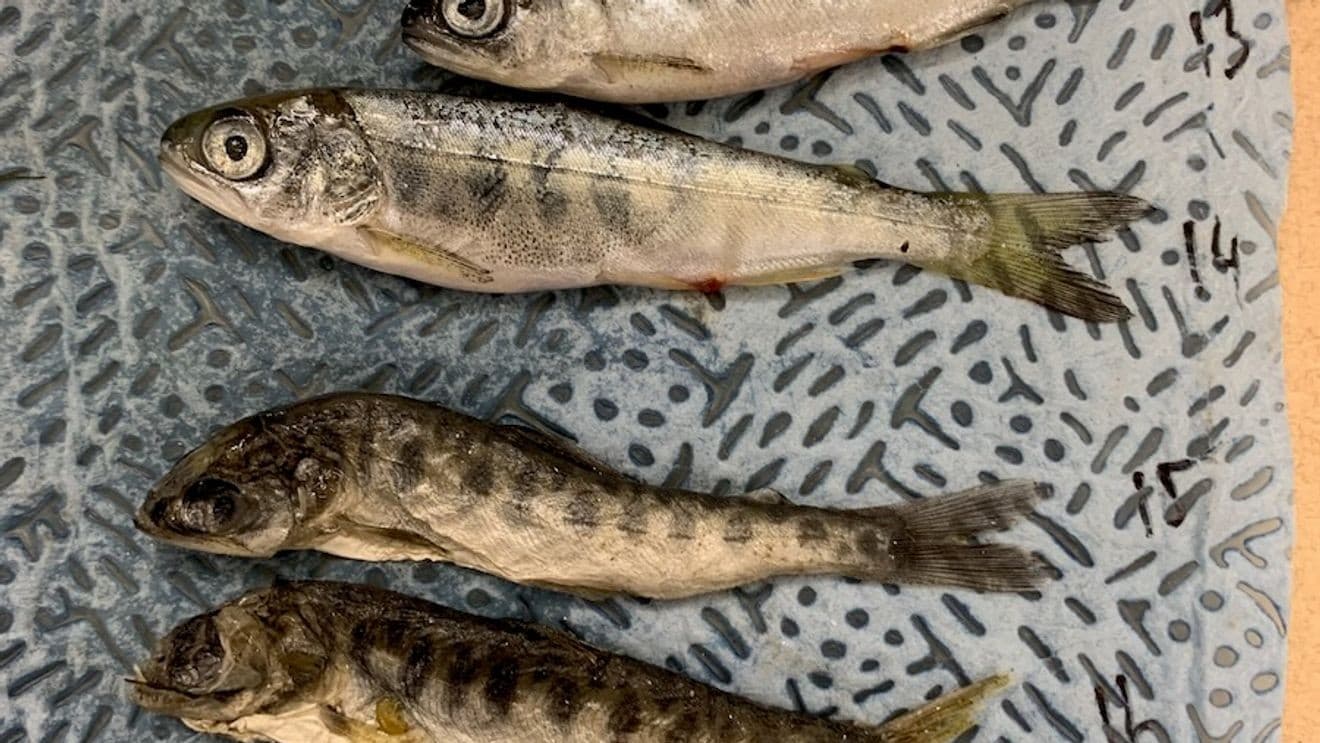
Dead and dying juvenile Chinook salmon have been turning up along the Klamath River, and the pattern is the kind of warning sign Humboldt County fishing families, tribes and river communities know can echo for years. Researchers linked the die-off to warm water and parasites, with Ceratonova shasta and Parvicapsula minibicornis emerging as likely contributors.
The most alarming numbers came from a June monitoring summary that found 46% of young Chinook sampled in the upper Klamath River were infected with C. shasta. Of the infected fish, 18% carried parasite loads associated with mortality. Biologists collected 696 fish between March 17 and May 12 from three reaches of the upper river, from the Oregon state line to the Scott River, and the first detection came on April 2. By late April, infection rates in some sampled reaches had climbed to 93% and 100%.

The new rotary screw trap at the former Iron Gate Dam site gave managers a first chance to watch fish health at a place that had been underwater behind a dam for more than a century. That matters because the Klamath’s recovery is now being measured in real time, not guessed at from a distance.
The U.S. Fish and Wildlife Service’s California-Nevada Fish Health Center, working with the Arcata Fish and Wildlife Office and the Karuk and Yurok tribes, is the annual lead on juvenile Klamath C. shasta monitoring. In a June 1 update, the center said it would provide time-sensitive qPCR testing and regular prevalence estimates to managers during the 2026 outmigration season. The center, established in 1982, is co-located with Coleman National Fish Hatchery in Anderson.

Oregon State University says C. shasta has been a major factor in declines of juvenile Chinook and coho in the Klamath River. The university also says the commercial catch in the basin was reduced by 90% in 2006 because of weak Chinook returns, and that juvenile Chinook infection rates from 2004 to 2008 ranged from 21% to 37% by histology and 31% to 62% by qPCR. The parasite’s life cycle involves a polychaete worm host, and infection is seasonal and temperature dependent.
That risk is now unfolding after a major restoration milestone. NOAA Fisheries said the removal of four Klamath dams in 2024 reopened more than 400 miles of habitat to salmon, steelhead and lamprey, while the U.S. Geological Survey said the river flowed unimpeded below Keno Dam for the first time in 102 years. NOAA’s monitoring plan relies on tribes, state and federal agencies, and uses sonar, nets and telemetry to follow returning fish.
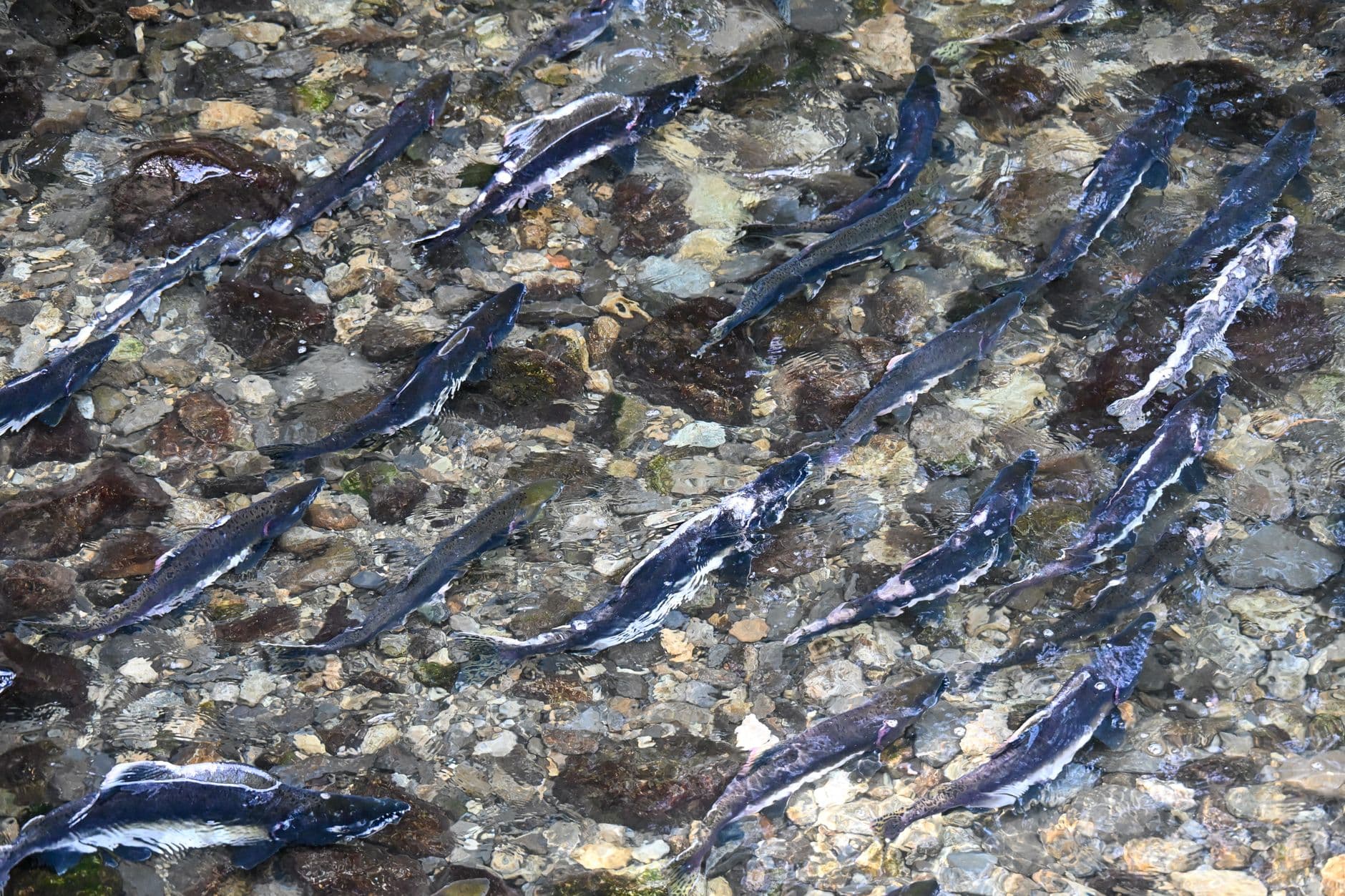
For Humboldt County, the stakes are concrete. The Klamath is tied to commercial fishing, ceremonial use, subsistence harvests and the broader health of North Coast waters. The Karuk Tribe said dam removal was historic and necessary, but the river is still in the early stages of healing, and the 2026 disease detections came during a difficult water year marked by low snowpack, early snowmelt, low flows and high temperatures. The Klamath Tribal Water Quality Consortium was formed after the 2002 adult salmon kill, a reminder that disease and water stress have long demanded coordinated response. If this summer’s juvenile losses hold, the impact will not stop at the river mouth.
This article was produced by Prism’s automated news system from verified source data, official records, and press releases, then run through automated quality and moderation checks before publishing. The system is built and supervised by the people who set the standards it runs under. Read our full AI policy.
Did this article answer your question?