Yurok Tribe marks condor recovery milestone, juvenile bird roams Oregon
A Yurok-led condor comeback hit a nesting milestone, even as juvenile B Nine ranged into Oregon and lead poisoning still killed nine birds in 2025.
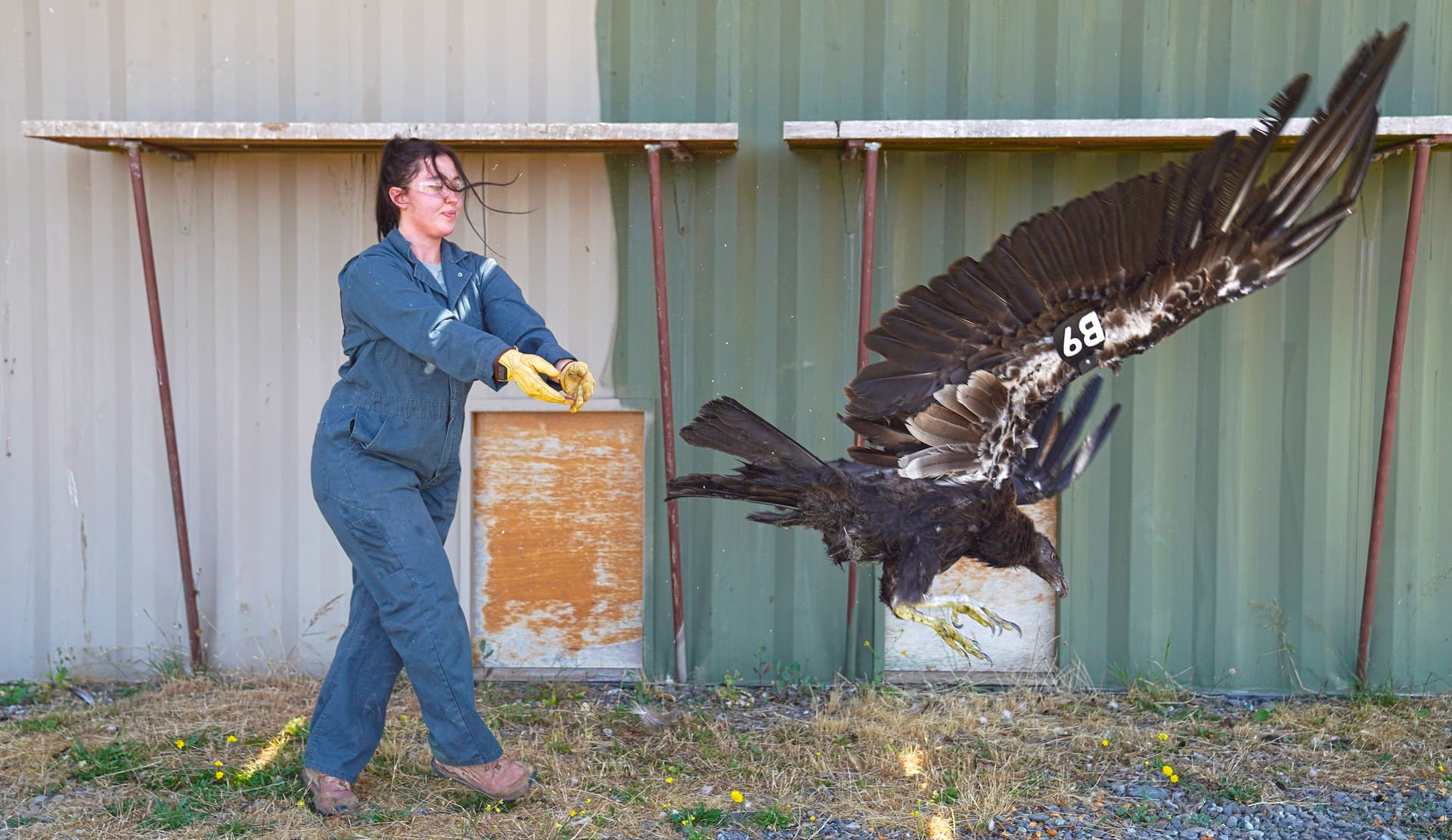
The Yurok Tribe’s condor recovery work has moved from release pens into the forests and canyons of the North Coast, where breeding birds are now doing the slow work of rebuilding a wild population. That progress came with a reminder of how fragile the comeback remains: juvenile condor B Nine recently turned up in the Medford, Oregon area, a normal sign of exploration for a bird that may fly 100 to 200 miles in a day before it settles into a nesting range.
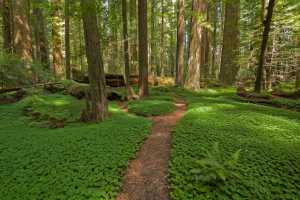
For Humboldt County, the milestone matters because the Yurok-led program is no longer just about putting birds on the landscape. It is about proving they can stay there. In a March 2026 update, the tribe said A Zero and A One may have been incubating a roughly 10-ounce egg for 55 to 58 days in an old-growth redwood cavity in the Redwood Creek drainage, the first condor nest in Yurok country in more than a century. The tribe also said 24 condors were living in the wild within Yurok ancestral territory.
Tiana Williams-Claussen of the Yurok Tribe Wildlife Department said condors do not reach full maturity until about six to eight years old, which makes long-distance wandering part of normal development. The birds’ movements can range far beyond Humboldt County and into Oregon, but that roaming is one reason biologists are watching the flock closely as it begins to establish a more durable foothold on the North Coast.

The comeback is unfolding against a long history of collapse and recovery. The U.S. Fish and Wildlife Service says California condors were listed as endangered in 1967, the federal recovery program began in 1979, and only 22 birds remained in the wild by 1982. By 1987, all remaining wild condors had been brought into captivity to prevent extinction. The 1996 recovery plan set a goal of two self-sustaining wild populations of 150 birds each, with at least 15 breeding pairs in each population, plus a captive population.
The numbers now point to real progress, but also to continuing risk. As of Dec. 31, 2025, the world population stood at 607 birds, including 392 in the wild and 215 in captivity. The Pacific Northwest experimental population had grown to 25 birds, up from 18 the year before, while the California wild population reached 216. Federal records for 2025 show 16 wild-fledged chicks and 22 wild deaths, including nine from lead poisoning. Since 1992, lead poisoning has caused 161 confirmed deaths in the wild free-flying population.
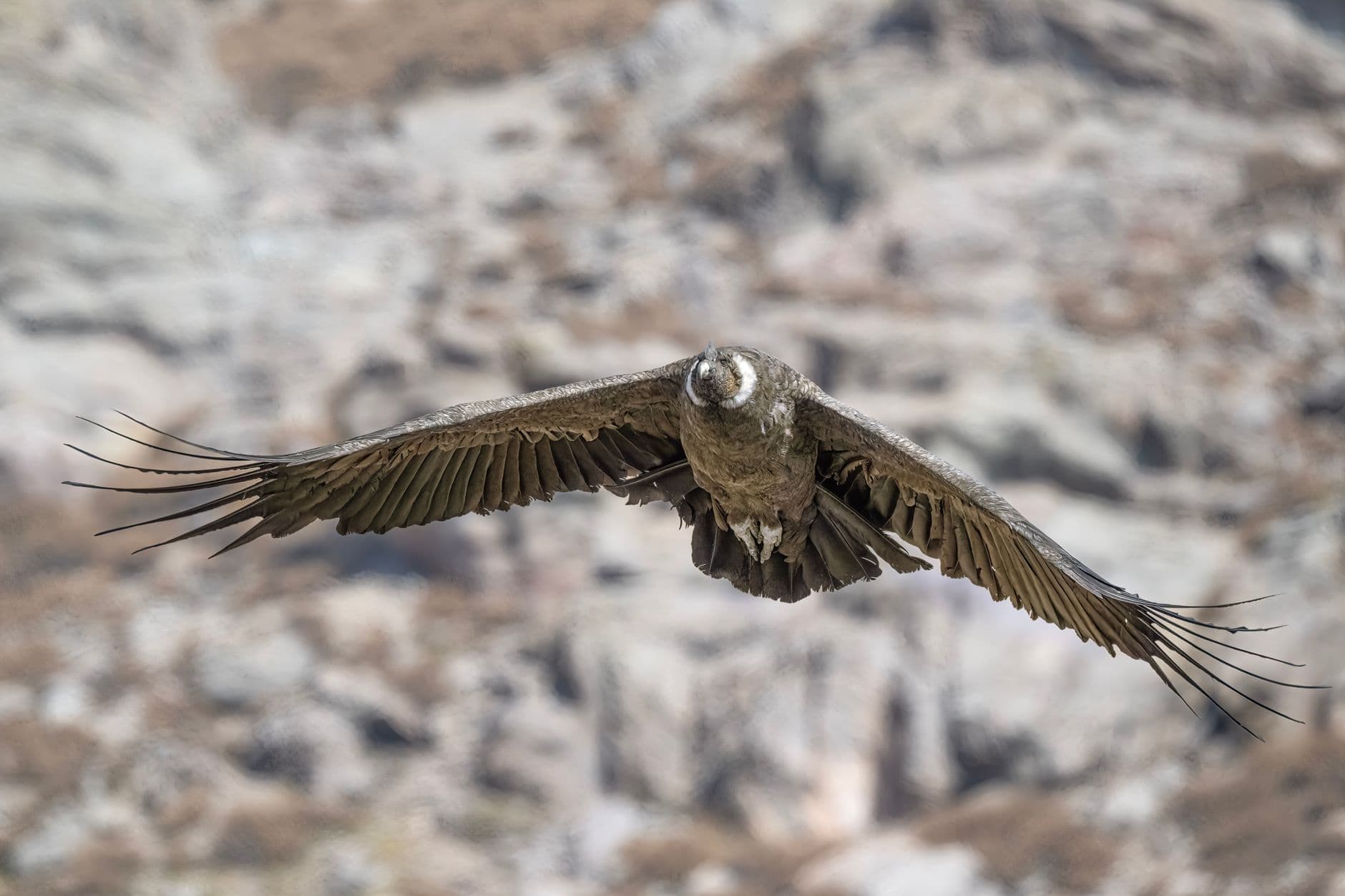
The Yurok Tribe identified condor restoration as a top priority in 2003, and the first birds were released into Redwood National and State Parks on May 3, 2022. That release gave the North Coast the northernmost condor release area in the country, and it made Humboldt County a center of one of the most closely watched wildlife recoveries in the West.
This article was produced by Prism’s automated news system from verified source data, official records, and press releases, then run through automated quality and moderation checks before publishing. The system is built and supervised by the people who set the standards it runs under. Read our full AI policy.
Did this article answer your question?