Aspirus hospitals in Iron River, Ironwood earn Tree City USA recognition
Aspirus hospitals in Iron River and Ironwood earned Tree City USA recognition, putting two Iron County campuses among Michigan sites shaping shade, stormwater and health.
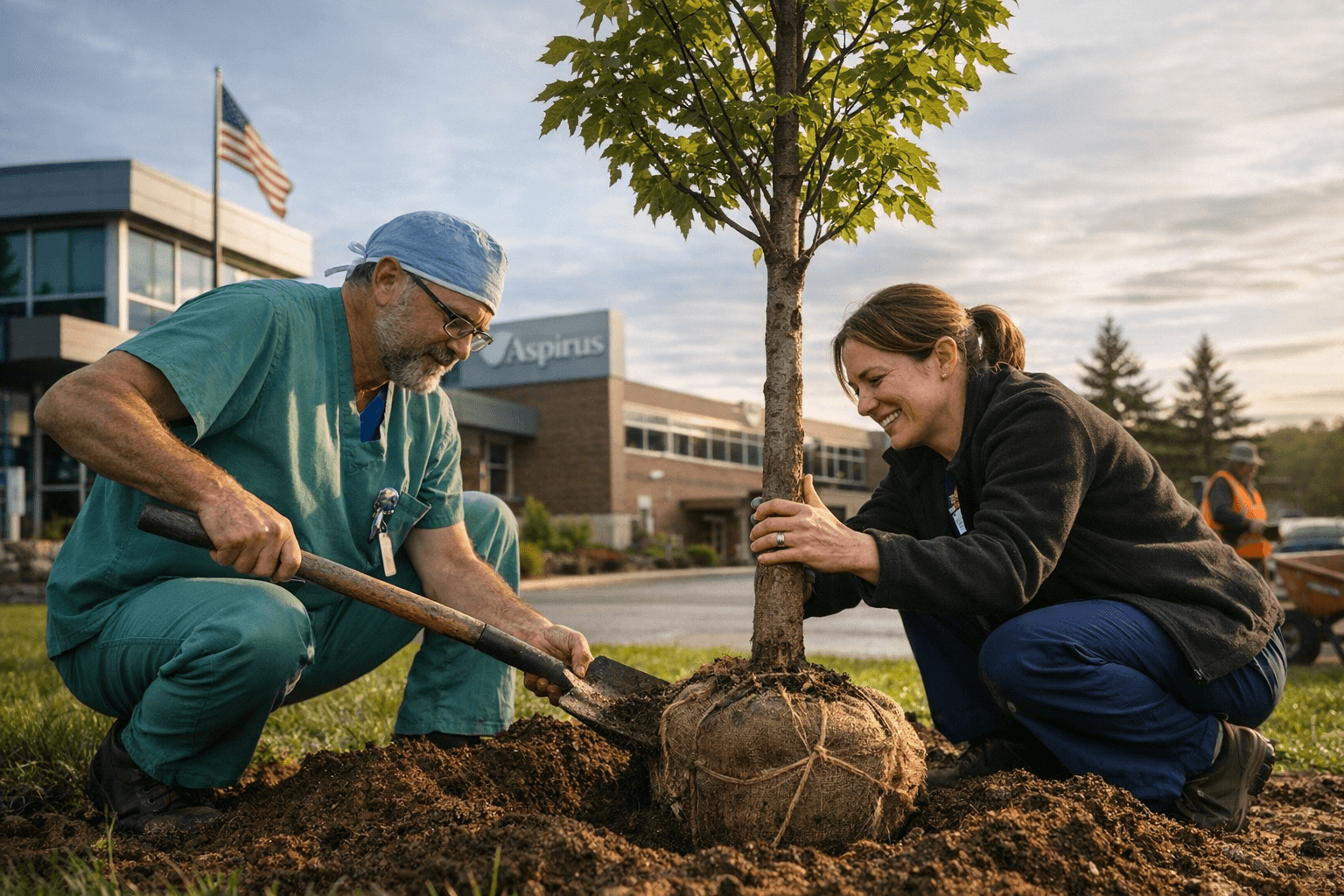
Aspirus hospitals in Iron River and Ironwood earned Tree City USA recognition, putting two of Iron County’s biggest health care campuses into a Michigan program that now includes 122 communities, seven college campuses and seven health care campuses recognized for work completed during 2025. The distinction is more than a plaque for the wall: it reflects the trees, grounds and green space that can change how a hospital feels to patients, staff and neighbors.
The Michigan Department of Natural Resources announced the honors March 26, adding Iron River and Ironwood to a statewide list that also included five new communities, Caro, Glen Arbor, Hamtramck, Laingsburg and Canton Township, along with 14 communities that received Growth Award recognition. Award materials are expected to go out in the coming weeks. For Iron County, the recognition places two local hospital campuses in a broader public-health conversation about shade, stormwater, air quality and the look and function of the places people visit when they need care.
Tree City USA started in 1976, when the Arbor Day Foundation launched the program with the U.S. Forest Service and the National Association of State Foresters. What began with 42 communities in 16 states has grown into a 50-year national recognition program that requires four standards for qualification. Lawrence Law, the DNR urban forester and outreach coordinator, said the program is about communities doing work that will matter well beyond the present and that local leaders want to do more to deliver the benefits trees provide.
Those benefits are not abstract on a hospital campus. The Arbor Day Foundation says trees and green spaces can improve health outcomes, reduce stress, combat extreme heat, improve air quality and reduce flooding impacts. On a property where patients arrive for appointments, families wait, employees cross parking lots and ambulances come and go, tree care can mean a cooler walk in August, a more welcoming entrance and better runoff control when heavy rain hits hard-packed pavement.
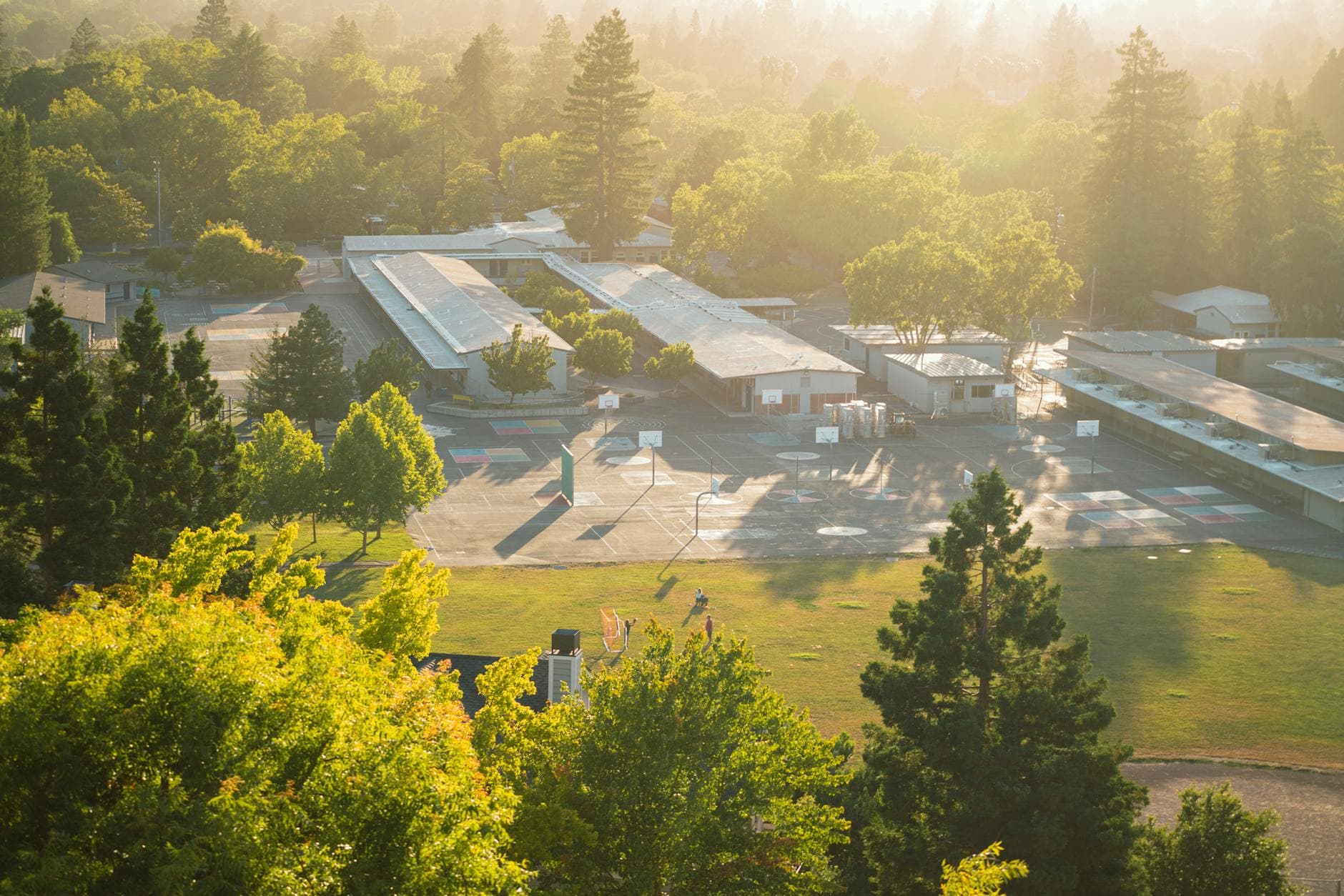
Aspirus has framed its tree investment in similar terms. In April 2025, the health system said all 18 of its hospitals earned 2024 Tree Campus recognition for work tied to community well-being, education and engagement. Andrew Miller, Aspirus director of system facilities management and security, said then that planting and caring for trees supports the system’s mission of healing people, promoting health and strengthening communities, and helps set the stage for the care delivered inside.
The scale of the state effort is large. Michigan’s urban and community forestry program said it assisted communities representing 5.6 million residents in 2025, awarded $1,461,299 in grants to 42 communities and organizations and supported 5,640 trees planted with financial backing from the program. In Iron River and Ironwood, the local result is visible at Aspirus Iron River Hospital, 1400 West Ice Lake Road, and Aspirus Ironwood Hospital, N10561 Grand View Lane, where the grounds now stand as part of the region’s public health infrastructure as much as its physical landscape.
This article was produced by Prism’s automated news system from verified source data, official records, and press releases, then run through automated quality and moderation checks before publishing. The system is built and supervised by the people who set the standards it runs under. Read our full AI policy.
Know something we missed? Have a correction or additional information?
Submit a Tip