Iron County clerk office oversees elections, court records, vital documents
A single Iron County office handles elections, marriage licenses, birth and death records, and court filings for a county of 11,709 people.
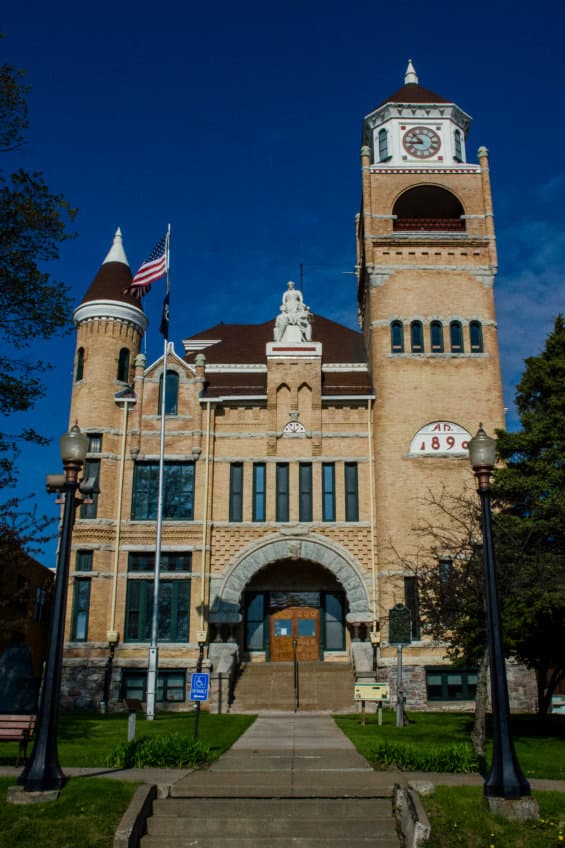
A Crystal Falls resident who needs a marriage license, a certified birth record, or confirmation that an election was canvassed all ends up at the same place: the Iron County clerk’s office. In a county of 11,709 people, this office sits behind some of the most ordinary but time-sensitive paperwork in daily life, from voting to vital records to court filings.
Elections: the office behind the ballot
The county clerk is elected to a four-year term in every organized Michigan county, and in Iron County that office serves as the county’s chief election officer. The clerk also sits on the Iron County Board of Canvassers, the Iron County County Election Commission, and the Iron County Election Scheduling Committee, which means the office is tied to both the setup and the review of elections, not just the day people cast ballots.
Michigan’s election system is built in a highly decentralized way. Statewide, 83 county clerks work alongside 281 city clerks and 1,240 township clerks, so the path from a local ballot box to official results runs through a dense network of local officials. In each county, the election commission includes the county clerk, the chief judge of probate, and the county treasurer, while county boards of canvassers are expected to canvass election returns without delay after elections.
For Iron County residents, that matters in practical terms. The clerk’s office keeps the county’s election records organized, and the county’s election-results archive reaches back through 2010, showing that results are maintained as a public record rather than treated as a temporary tally. The county has also posted results for recent election cycles, including 2024 and 2025, reinforcing that the office remains active in tracking and preserving election data.
Court records and the county seal
The clerk is also the clerk of the Circuit Court, which brings a different set of responsibilities into the same office. Under county practice, the clerk has custody of the county seal and the records, books, and papers of the office, and files civil, criminal, and divorce proceedings under the court’s direction.
That court role is easy to overlook until a filing gets delayed or a record is missing. Because the clerk’s office manages those papers and keeps the official seal, it becomes part of the paper trail that supports everything from a civil case to a divorce file to the ordinary administrative records that keep the court functioning. Deputy clerks can assume duties when the clerk is absent, which helps keep the office moving even when individual staff are away.
The office also handles several other records that do not fit neatly into one category but matter whenever life changes or a business starts up. Among the records kept by the clerk are assumed business names, partnership records, concealed weapon permits, veterans’ discharge records, marriage licenses, and notary public licenses. That mix gives the office a reach far beyond the courthouse hallway.
Vital records, family documents, and everyday deadlines
Birth and death records are part of the clerk’s workload too, and Iron County makes certified copies available through the clerk’s office. Each certified copy carries a raised seal, which is what turns the copy into an official document people can use for identification, benefits, estate work, or other administrative needs.
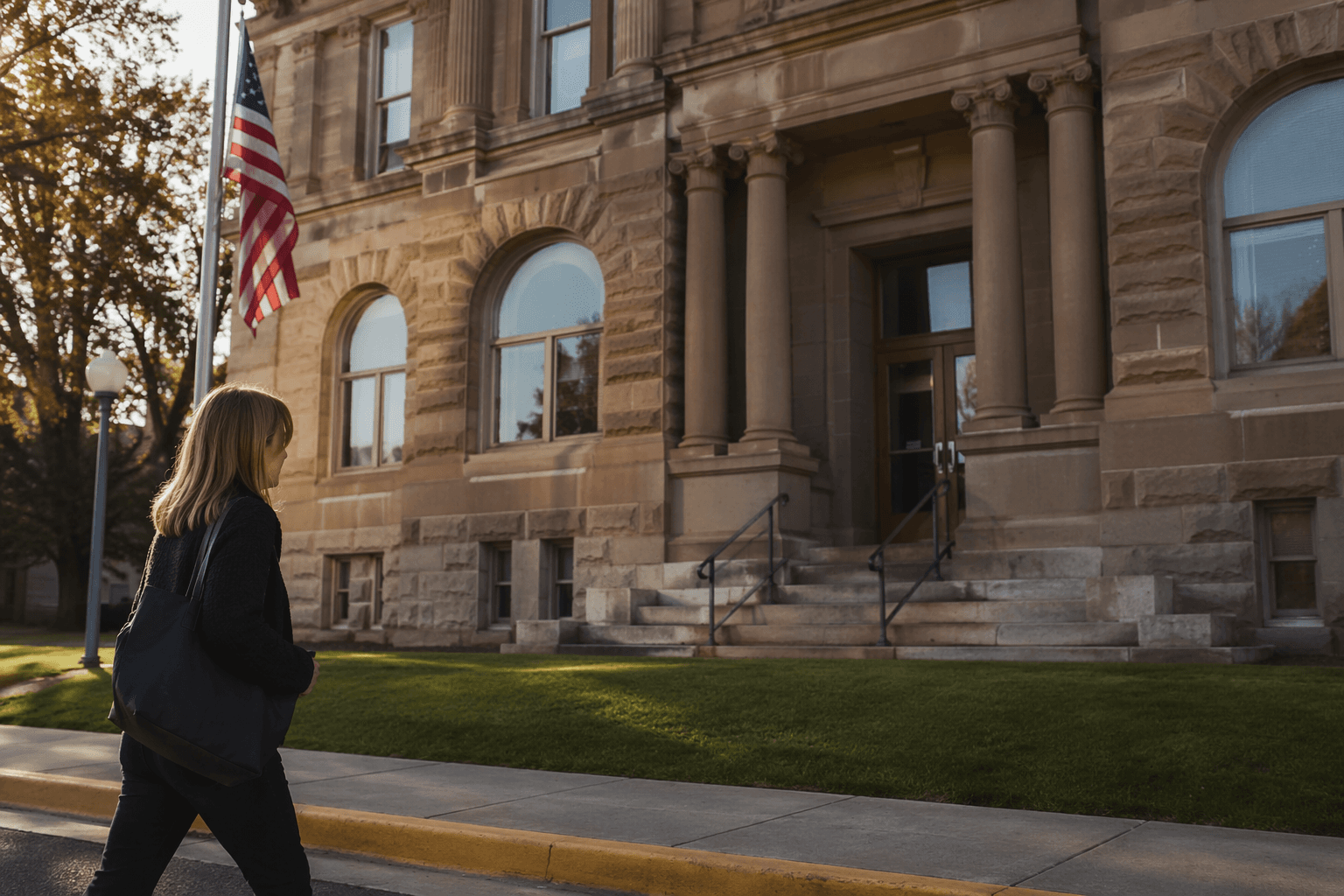
The fee schedule is straightforward: $15 for the first certified copy of a vital record and $5 for each additional copy of the same record ordered at the same time. That detail matters for families who often need more than one copy at once, especially when handling estate matters, insurance claims, school enrollment, or identity verification.
Marriage licenses bring their own timing rules. In Michigan, marriage licenses generally carry a three-day waiting period, though a county clerk can waive that delay for good and sufficient cause. Michigan county clerks may also accept electronically submitted marriage-license applications, and if both applicants are nonresidents of Michigan, an additional $10 fee applies.
Iron County’s marriage-license page directs applicants to the clerk’s office between 8:00 a.m. and 4:00 p.m., Monday through Friday. That makes the office a place where timing matters as much as the paperwork itself: missing the window, misunderstanding the waiting period, or not bringing the right details can slow down a planned wedding or force a return trip.
Where the office is and why the location matters
The Iron County Courthouse anchors the clerk’s work at 2 South Sixth Street, Crystal Falls, MI 49920. County directories ask residents to include the suite number on all mail correspondence, a small but important detail for anyone sending in requests for records or other paperwork.
That courthouse address ties the office to the county seat and makes it the physical hub for a long list of county business. The county’s public site also points residents toward voting and elections information, along with an election-results archive, which keeps much of the clerk’s work visible even when people never step inside the building.
The location also helps explain how one office carries so much of the county’s administrative load. Crystal Falls is the center of county government, so the clerk’s office functions as a central stop for residents who need official documents, election information, or court-related filings without having to navigate a larger regional bureaucracy.
Why this office matters so much in a small county
Iron County’s population estimate for 2024 was 11,709, down only slightly from the 2020 census count of 11,631. The county is also older than the state as a whole, with 32.7 percent of residents age 65 and over in the Census Bureau’s 2020-2024 estimates. That demographic profile helps explain why reliable access to vital records, marriage licenses, and election administration matters so much here: many residents depend on a small number of local offices to handle essential life paperwork.
The clerk’s office is one of those quiet county institutions that people notice most when something is urgent. A ballot must be counted, a death certificate must be ordered, a marriage license must be filed, or a court record must be pulled, and the clerk is the office that keeps those systems organized. In Iron County, that makes the clerk not just a courthouse official, but one of the main keepers of the county’s daily civic life.
This article was produced by Prism’s automated news system from verified source data, official records, and press releases, then run through automated quality and moderation checks before publishing. The system is built and supervised by the people who set the standards it runs under. Read our full AI policy.
Know something we missed? Have a correction or additional information?
Submit a Tip