Michigan volunteers asked to track ospreys nesting on cell towers
Cell towers have become the biggest osprey nesting sites in Michigan, and Iron County residents can help document where the birds are raising young.
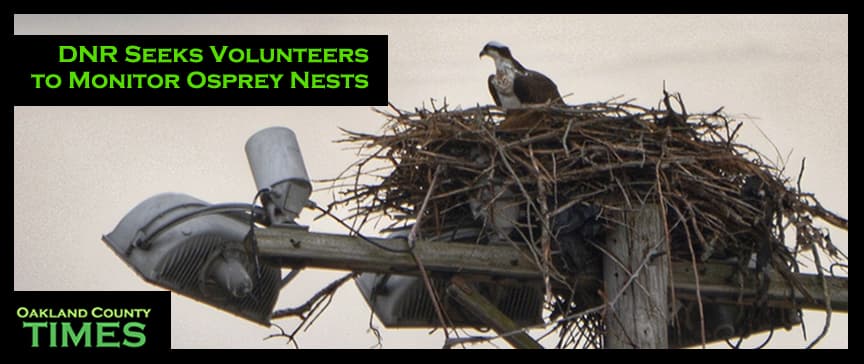
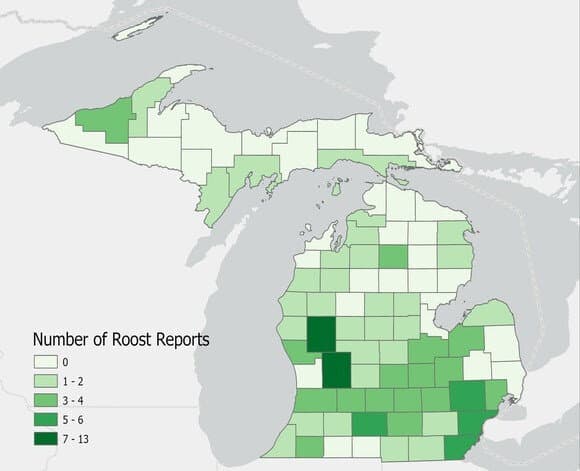
Cell towers have become one of Michigan’s most reliable osprey nesting sites, and Iron County residents who spend time near lakes, rivers and roadside corridors can help track where the birds are settling in. In 2024 and 2025, Adopt-A-Nest volunteers completed 238 nest-check surveys in 22 counties, and 56% of the nests they observed were on cell towers. More than 97% of the observations involved human-built structures.
That shift matters in Iron County, where MNFI lists 34 county occurrences for osprey, with the last observed record in 2025. The birds are still closely watched statewide because they remain a species of special concern, even after being removed from Michigan’s threatened species list in 2009. Ospreys were wiped out in the southern Lower Peninsula in the 1940s by indiscriminate shooting and contaminants such as DDT, and state officials later said the species recovered better in northern Michigan than in the south. Michigan banned DDT in 1969, and the birds were eventually reintroduced to southern Michigan.
The species itself explains why volunteers are valuable. Ospreys are long-lived fish-eating raptors that often return to the same nest year after year, adding sticks until the structure becomes enormous. Nests can reach 10 to 13 feet deep and 3 to 6 feet across after years of reuse. Historically, the birds nested in trees, snags and cliffs, but as those sites disappeared or were disturbed, they adapted to utility poles, towers, chimneys, windmills, buoys and platforms. That makes towers and poles around Iron County especially worth watching, particularly near water.
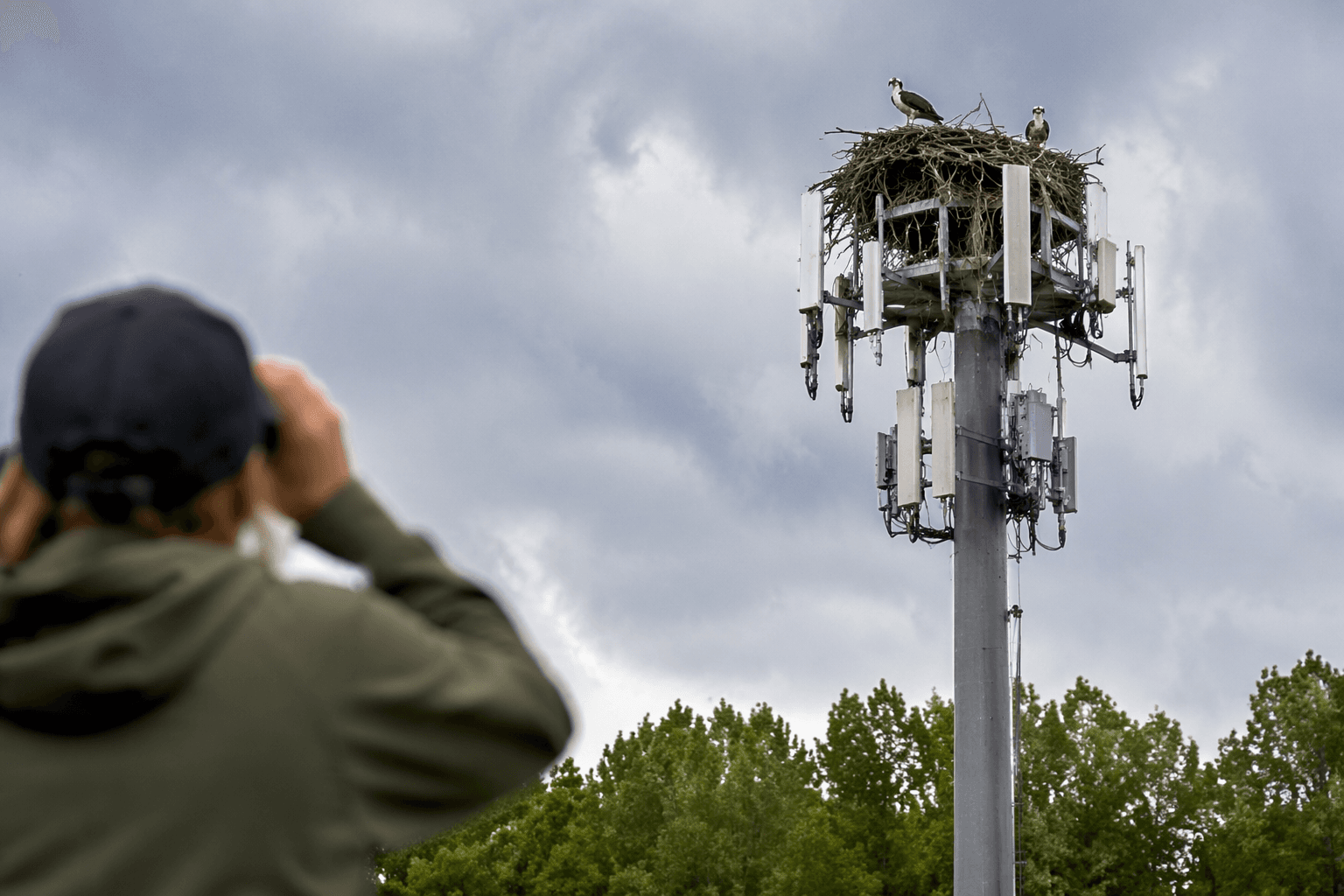
The monitoring effort is run through MI Birds, a partnership of Audubon Great Lakes and the Michigan Department of Natural Resources, with the Michigan Natural Features Inventory helping collect long-term data. Volunteers are asked to visit a nest three times, for 30 minutes each visit, from spring through late summer, then report whether the nest is occupied and whether chicks are being raised successfully. A pair of binoculars is usually enough; a spotting scope can help when the nest sits high on a cell tower.
Michigan’s osprey records have been built over decades. Breeding numbers were first adequately quantified in the 1960s, when more than 60 nests were reported, and the Michigan Breeding Bird Atlas from 1983 to 1988 documented 156 atlas blocks with confirmed breeding, mostly in the eastern Upper Peninsula. For Iron County, that means ordinary sightings along lakeshore roads, stream crossings and wooded towers can still add useful detail to a statewide picture that depends on local eyes.
This article was produced by Prism’s automated news system from verified source data, official records, and press releases, then run through automated quality and moderation checks before publishing. The system is built and supervised by the people who set the standards it runs under. Read our full AI policy.
Know something we missed? Have a correction or additional information?
Submit a Tip