Michigan widens flood response as Iron County emergency continues
Flooded roads remain Iron County’s biggest danger as Michigan widened emergency response and warned more severe weather could keep travel restricted.
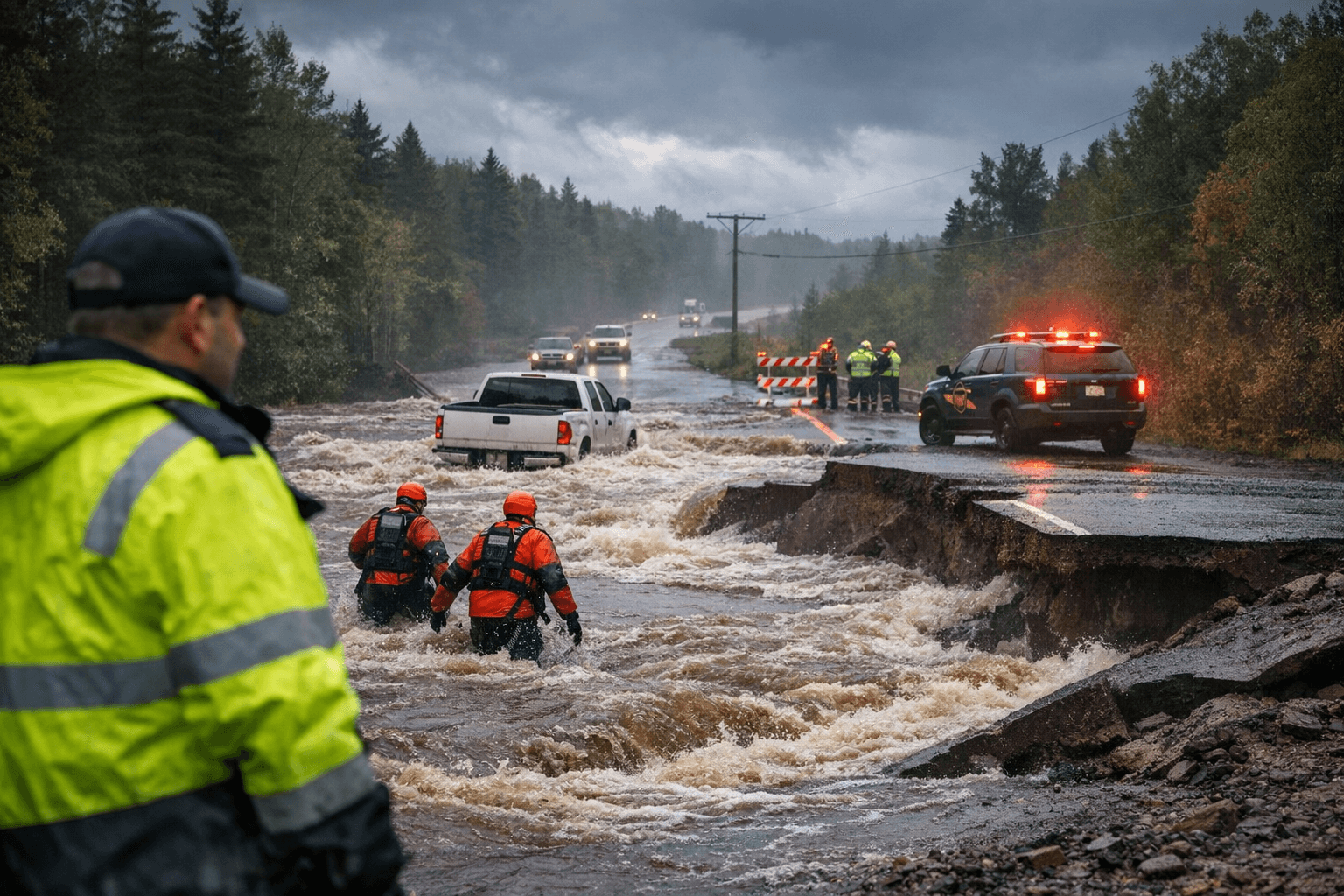
Flooded roads remain Iron County’s most immediate danger as Michigan widened its emergency response and warned that another round of severe weather could keep water over travel routes and slow cleanup for days.
Gov. Gretchen Whitmer added Iron and Marquette counties to the state of emergency on April 20 after severe flooding made roads impassable. The order said residents there had already been hit by severe flooding on April 17, and that local officials had issued emergency declarations and activated their emergency operations plans, but local resources were not enough. Across Michigan, the State Emergency Operations Center was first activated at 10 a.m. on April 10, then extended statewide at noon on April 14 as water kept rising and more rain stayed in the forecast.
The Michigan State Police Emergency Management and Homeland Security Division also activated the Joint Information Center on April 14 as the state’s official channel for agency releases. That matters in Iron County because conditions can change quickly, from washed-out roads to downed lines and blocked driveways. The National Weather Service was still predicting additional severe weather in the days ahead, and state officials urged residents to keep signing up for local alerts, check official updates, and use MiDrive for state highway closures and other impacts.
State guidance also repeated the basic safety rules that can save lives in a flood emergency: do not drive or walk through standing water, stay away from downed electrical lines, call 911 if debris is blocking travel, and move to higher ground when advised. Six inches of moving water can be enough to make a vehicle lose control, and deeper water can hide culverts, drop-offs, and pavement damage that will complicate cleanup long after the rain stops. Michigan 2-1-1 was also identified as a place for residents to seek help as the response widened.

The ripple effects will extend beyond roads. The Michigan Department of Treasury updated its severe weather tax-relief notice on April 21 to add Iron and Marquette counties, giving affected individuals and businesses extra time on certain filing and payment deadlines due on or before May 18, 2026, with penalties and interest waived. That relief recognizes what the emergency order described: damage to roads, homes, and property, and a recovery that will depend on both state coordination and the weather still to come.
The broader statewide emergency has also remained tied to the Cheboygan Lock and Dam Complex, where record snowfall and recent rain raised water levels and a large piece of ice damaged safety wire near the dam. The Department of Natural Resources closed access points upstream and downstream there, underscoring why state officials continue to monitor dams and communicate with downstream communities as Iron County waits for safer conditions.
This article was produced by Prism’s automated news system from verified source data, official records, and press releases, then run through automated quality and moderation checks before publishing. The system is built and supervised by the people who set the standards it runs under. Read our full AI policy.
Did this article answer your question?