Coupeville considers zoning changes to expand emergency and supportive housing
A January count found 173 homeless people in Island County as Coupeville weighs zoning changes that could unlock shelters, transitional housing and supportive units.

A 173-person homelessness count in Island County is now colliding with a zoning debate in Coupeville, where town officials are considering changes that could make it easier to build emergency housing, shelters, transitional housing and supportive housing. The draft code, presented to the Coupeville Town Council on April 28, would bring the town’s rules closer to new state requirements and could determine whether help reaches people sleeping outside, staying in cars or cycling through temporary shelter.
Under the proposal, emergency housing and shelters would be allowed in every zone where hotels are permitted. Transitional housing would be allowed in every zone where residences or hotels are allowed. The draft is also intended to keep supportive housing from facing tougher rules than other housing types, a distinction that matters in a small town where a permit or zoning barrier can decide whether a project moves forward or stalls for years.
The issue is not abstract. Councilmember Evan Henrich pointed out a practical problem in Coupeville’s current map: civic zones do not allow hotels or residences, yet churches, nonprofits and other organizations in those areas may still want to create supportive housing. That means the council is not just weighing planning language, but whether the town’s code can actually accommodate a project on the ground when a service provider finds a site and a need at the same time.
The timing is tied to House Bill 2266, which Gov. Bob Ferguson signed on March 27, 2026. The law requires local governments planning under the Growth Management Act to allow transitional housing and permanent supportive housing in zones where residential units or hotels are allowed, and indoor emergency shelters and indoor emergency housing in zones where hotels are allowed. It takes effect in June and also limits how much more restrictive local governments can be when they regulate STEP housing, the state’s shorthand for indoor emergency shelter, transitional housing, emergency housing and permanent supportive housing. The Washington State Department of Commerce has also published STEP guidance, model ordinance tools and best-practice materials to help cities and counties comply.

The Coupeville update comes as Island County continues to document a severe housing crisis. The county’s 2025 Point In Time count found 173 people experiencing homelessness on Jan. 30, 2025, including 96 in emergency or transitional shelters and 77 unsheltered. A Commerce snapshot cited in county reporting put the number of county residents who were homeless or unstably housed at 1,229 in January 2025. Island County later adopted a 2025-2030 Homeless Housing Plan built by a task force of county staff, city planners, service providers, clergy, housing advocates and people with lived experience.
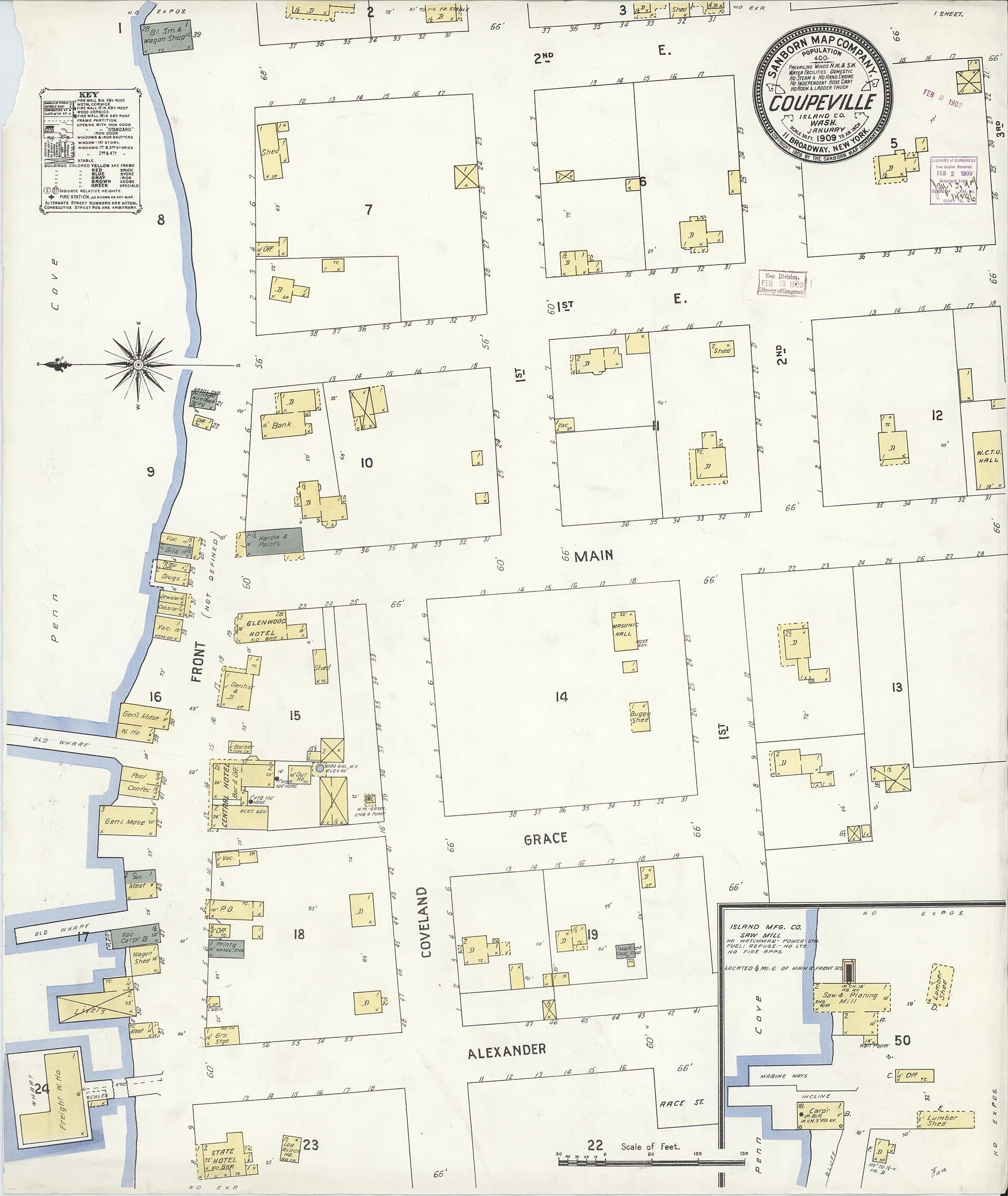
Coupeville is also being eyed for permanent affordability. On April 28, county commissioners approved a $1 million contract to help Langley-based Island Roots Housing buy about eight acres in Coupeville for an affordable housing development. The town’s comprehensive plan update, required under the Growth Management Act and built around a 20-year horizon, is now the vehicle for deciding whether Coupeville will make room for the emergency and supportive housing its neighbors say is already needed.
This article was produced by Prism’s automated news system from verified source data, official records, and press releases, then run through automated quality and moderation checks before publishing. The system is built and supervised by the people who set the standards it runs under. Read our full AI policy.
Did this article answer your question?