Shavers joins Langley forum on dark money, election transparency
Shavers met Langley voters as South Whidbey weighed tighter dark-money rules, faster disclosure and what campaign spending could look like before the next election.
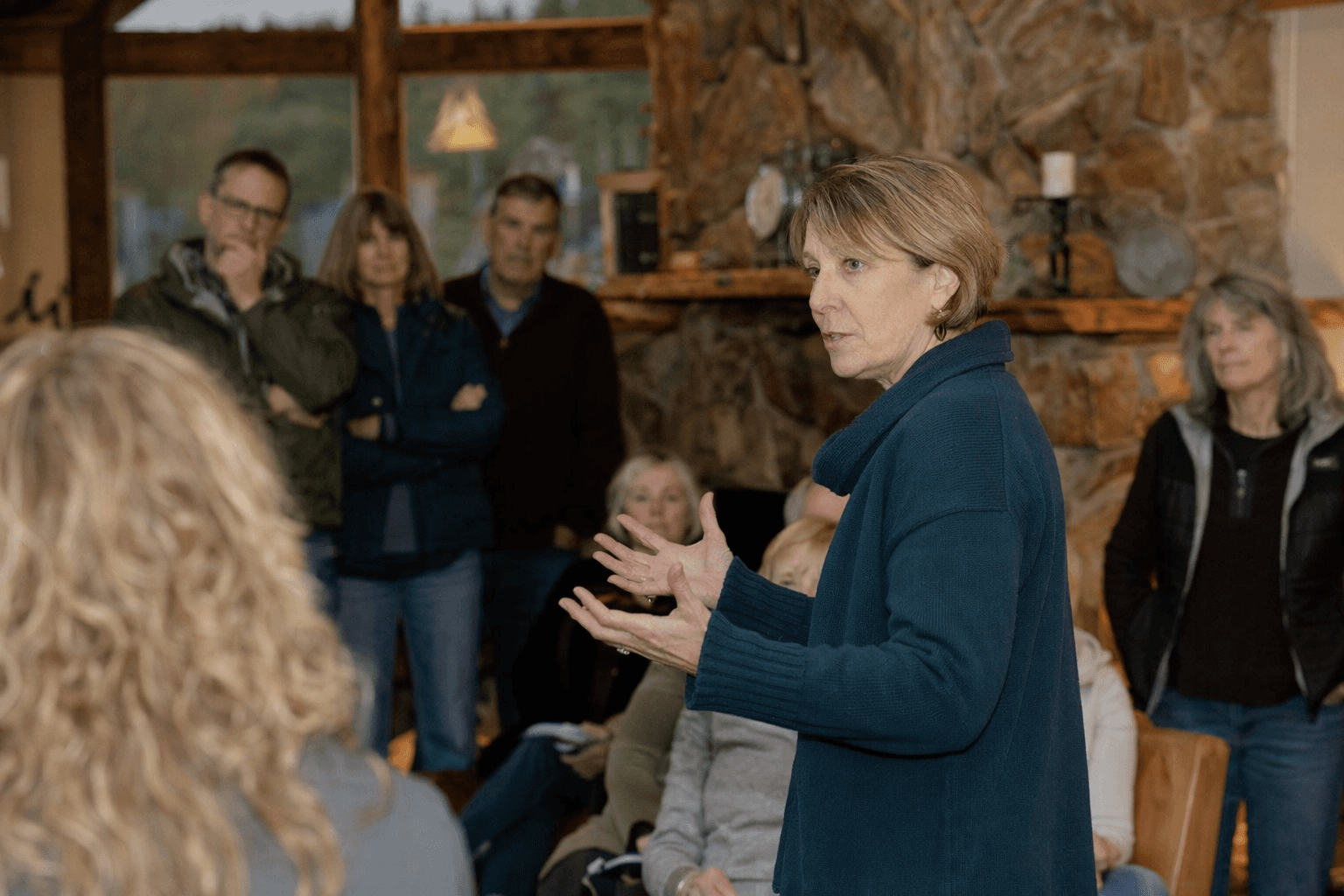
South Whidbey voters saw the fight over dark money move from theory to local politics in Langley as state Rep. Clyde Shavers joined Whidbey Climate Action at St. Hubert’s Community Room, 804 3rd St., for a discussion titled Getting Dark Money Out of Politics. The gathering fell during Washington candidate filing week, May 4-8, and organizers even pointed people to the Bayview Park & Ride for carpooling, a small reminder that island civic life often mixes policy debates with practical, everyday logistics.
The conversation centered on whether Washington should pursue legislation modeled after approaches in Montana and California to reduce corporate influence in elections and force more disclosure before voters cast ballots. For Island County residents, that could change how quickly outside spending shows up in campaign reports, how much donors have to reveal, and how much money can move through late-stage mailers and ads before an election is over.
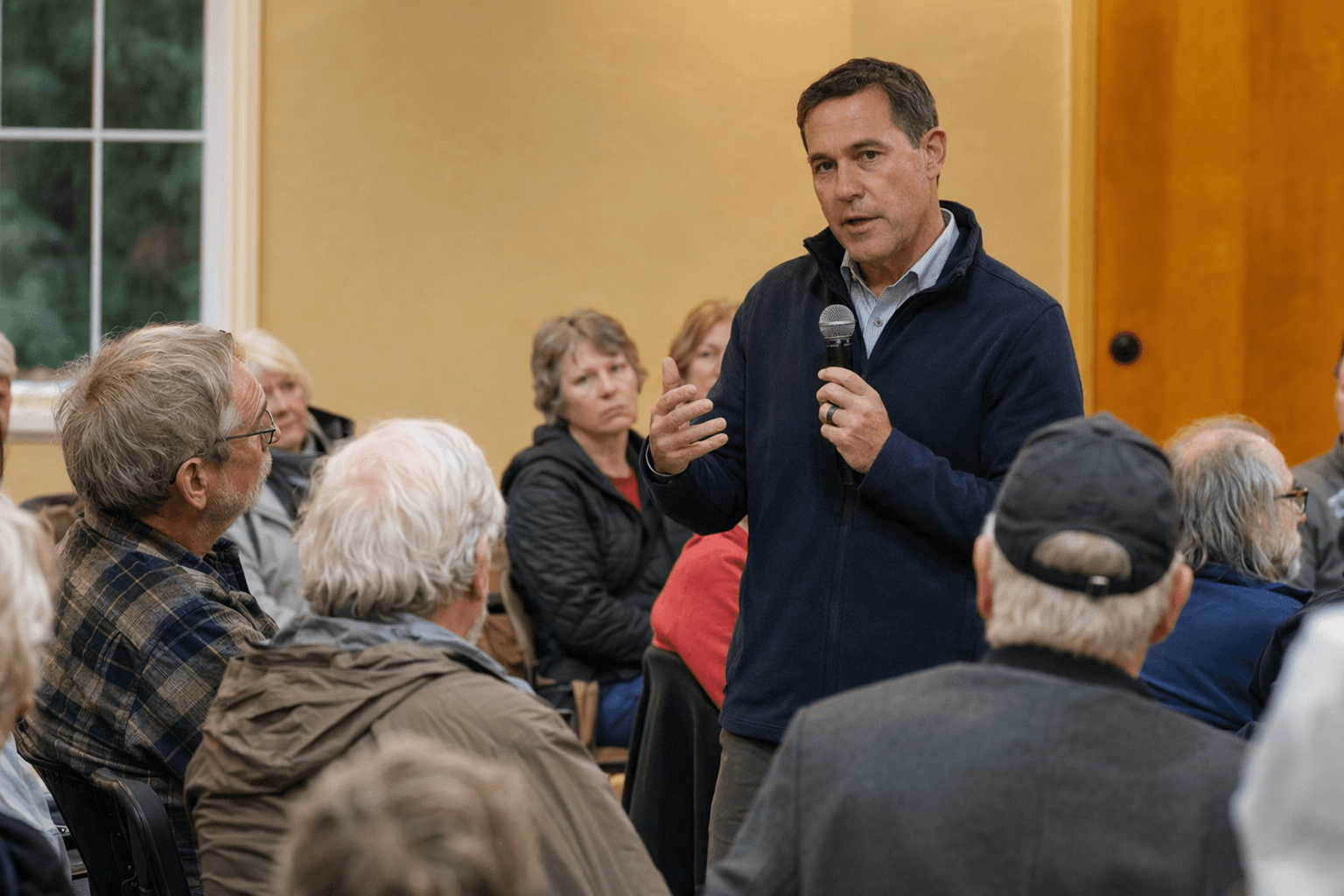
Shavers’s presence added weight to the forum. He represents District 10, Position 1, and serves as assistant speaker pro tempore in the Washington State House of Representatives, making him a key lawmaker rather than a symbolic attendee. His House Democrats website entered a communications freeze on May 4, with no new content to be added until after the November general election, underscoring how tightly election-season messaging is already being managed.
Washington already has a disclosure system the Legislature could build on. The Washington State Public Disclosure Commission says it has regulated political disclosure for 50 years, covering campaign finances, lobbyist spending and financial affairs for public officials and candidates. Its database reaches back 16 years plus the current election year and is updated in near real time. The commission has also submitted 2026 request legislation, introduced as Senate Bill 5840, to simplify pre-election expenditure reporting and increase transparency for voters.
The broader legal backdrop remains Citizens United v. FEC, the U.S. Supreme Court ruling that held political spending is protected speech under the First Amendment. The Harvard Law School Forum on Corporate Governance has described the Montana Plan as a state-by-state strategy to reduce dark money influence after that decision, while California’s Fair Political Practices Commission said AB 800 gave it more authority to conduct discretionary audits during elections and seek injunctions to compel disclosure. On South Whidbey, the practical question is simple: before the next campaign season fully unfolds, how much of the money behind local races will voters be able to see.
This article was produced by Prism’s automated news system from verified source data, official records, and press releases, then run through automated quality and moderation checks before publishing. The system is built and supervised by the people who set the standards it runs under. Read our full AI policy.
Did this article answer your question?