Alice highlights food pantry and transit pricing for residents
Alice put food pantry access and transit pricing front and center, a sign that families in Jim Wells County are still juggling groceries and rides by the week.

Alice put food assistance and transit costs on the city’s front page, turning two household budget items into a public priority for Jim Wells County residents. The June 12 news post, “REAL Food Pantry and Transit Pricing,” sat alongside current notices and community updates on the City of Alice homepage, a placement that made the message hard to miss for people trying to plan meals, errands, medical trips and commutes.
That matters in a city that describes itself as a full-service community and says its government operates under a home-rule charter adopted in 1949 with a council-manager form of government. Alice also uses its website like a civic bulletin board, with sanitation schedules and other timely notices appearing beside the pantry and transit item. For residents without reliable transportation, or for families watching every dollar, the city’s decision to surface both services on the homepage signaled that food access and mobility remain basic daily concerns, not side issues.

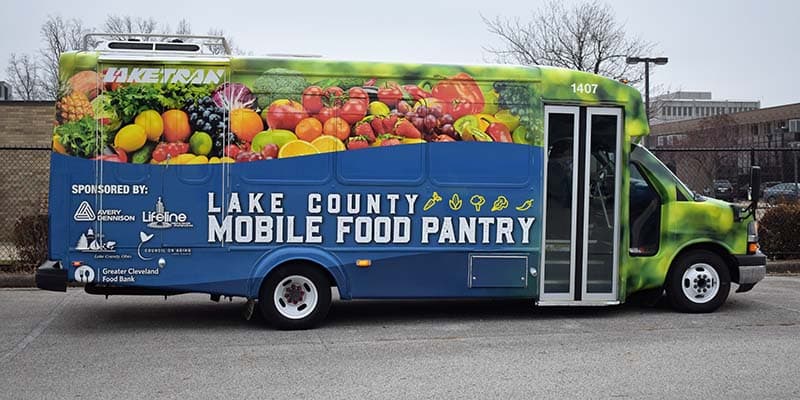
On the food side, Alice Volunteer Services says the Alice Food Pantry serves anywhere from 75 to 200 families in Jim Wells County every week, with about 15 volunteers working each day. That scale shows how deeply the pantry is woven into local life, especially when demand rises. A KRIS-TV report on Feb. 23, 2024 said REAL, Inc. had been traveling across the county with a satellite food pantry for about a year and a half, citing instability in the economy and rising costs as reasons more families needed help.
The need has also shown up in the numbers. A KIII-TV report said Alice food distributions had increased 45% from the prior year, a sharp jump that points to longer-running pressure on family budgets rather than a short-term spike. In practical terms, that means more households are depending on pantries to stretch paychecks that already have to cover groceries, gas, utilities and school-related costs.

Transit is part of that same equation. REAL, Inc. says it has provided essential public transportation in the Coastal Bend for more than 28 years, serving the general public, seniors, persons with disabilities and other transit-dependent riders across nine counties, including Jim Wells County. By pairing pantry information with transit pricing, the city underscored how closely the two issues are linked: if a family cannot afford a ride, it can be just as hard to reach work, a doctor’s office or a food distribution site. For Alice and nearby communities, the June 12 notice read less like a routine update and more like a reminder that affordability still shapes who can get fed and who can get moving.
This article was produced by Prism’s automated news system from verified source data, official records, and press releases, then run through automated quality and moderation checks before publishing. The system is built and supervised by the people who set the standards it runs under. Read our full AI policy.
Did this article answer your question?