Alice website showcases city services, events and local identity
Alice's website is built as a civic front door, linking parks, events and services to the Hub City identity. The real test is whether it drives visits, spending and pride.
Alice's official website does more than tell people where the city is located. It tries to explain what Alice is, how it works and why it matters to Jim Wells County, folding history, public services and visitor information into one public face. That mix gives the site a practical role for residents and a strategic one for the city: the digital first impression has to feel useful enough to turn curiosity into real visits, spending and civic pride.
A civic front door with local weight
The visitors pages present Alice as the "Hub City" because of its central location in South Texas, and the site leans into that identity with a clear set of pathways for both locals and newcomers. Visitors are directed to the events calendar, golf course information, parks, things to do and a city map, which makes the website less like a brochure and more like a directory for everyday life and weekend planning.
The city is also careful about the audience it wants to reach. Its "Things To Do" page says Alice has options for "movie enthusiasts, outdoor lovers, foodies or history buffs," a description that tries to stretch the city's image beyond city hall and into leisure, culture and family activity. That matters in a county seat where the online story can shape whether people from nearby towns think of Alice as a place to pass through or a place to spend time and money.
The larger question for residents and nearby businesses is whether that polished online image matches what people actually find on the ground. If the parks, events, golf course and public spaces are maintained well, the website becomes a true economic tool. If they fall short, the city risks advertising a promise that visitors cannot easily see.
How Alice says it functions
Alice's community page uses a blunt phrase with real policy meaning: it calls the city a full-service community. In practice, that means police protection, fire protection, recreation, street maintenance, and water and sewer utilities all sit inside the city's public responsibilities. The website is not only selling a destination, it is explaining the machinery that keeps daily life moving.
That structure is reinforced by the city's charter and government system. The City of Alice charter was approved by voters on September 10, 1949, and later updated in 1986 and again on November 3, 2020. The city operates under a council-manager form of government with a mayor and four at-large council members elected to non-staggered two-year terms, a design that places heavy responsibility on administrative performance and public accountability.
The current staff directory identifies Mayor Cynthia Carrasco and City Manager Michael Esparza, along with council members Sandra Bowen, Mauricio Garza, Pete Beltran and Robert Molina. Those names matter because they anchor the website in real leadership, not just branding. In a city that presents itself as the hub for a broader region, the line between civic identity and day-to-day management is especially visible.
The public works backbone
The most concrete evidence of the "full-service" claim appears in the city's public works descriptions. The maintenance and construction division installs and maintains water lines, wastewater lines and fire hydrants, while the water-production function treats water for citizens of Alice and surrounding areas. Those are not promotional details; they are the infrastructure services that determine whether a city can function reliably and expand with confidence.
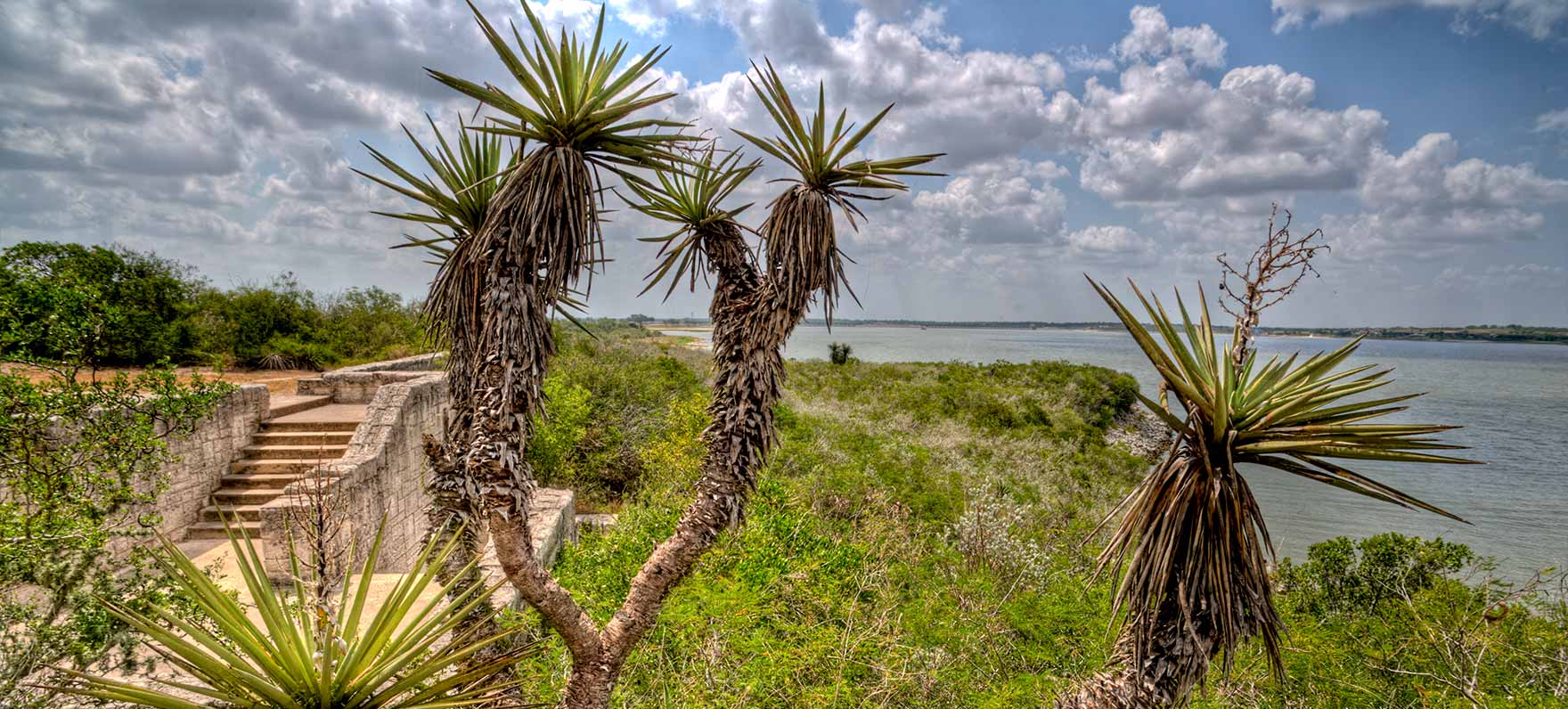
The parks division shows the same logic at the ground level. It maintains parks, playgrounds, ball fields, a multi-use complex, the municipal golf course, city hall and other city properties from Alice to Lake Corpus Christi. It also mows highway and railroad rights of way and creeks inside the city limits, which makes the department part landscape crew, part public-appearance team and part quality-of-life operator.
The Alice Municipal Golf Course is one of the clearest examples of how the city packages service and identity together. It is an 18-hole course, 6,129 yards from the championship tees with a par of 71, and 5,024 yards from the women's tees with a par of 72. The course has five water hazards and no sand traps, and its standard hours are 7:00 a.m. to 7:30 p.m., seven days a week, details that make it both a recreation asset and a measurable part of the city's visitor offering.
Events, calendars and the city's public face
The city's community calendar gives the website a second practical function. It is intended for non-profit civic groups to post non-commercial events, and submissions are reviewed before posting. That makes the calendar more than a list of dates. It becomes a controlled civic bulletin board that can help residents track local life and help visitors see whether Alice has enough going on to justify a stop.
That matters because the website is trying to do several jobs at once. It is a service portal, a visitor guide and a statement about identity. A city that wants to be seen as a hub cannot rely only on slogans; it has to keep a reliable calendar, maintain visible public spaces and make it easy for people to understand where to go and what to do.
For local businesses, that online structure has direct consequences. A fuller calendar, a well-maintained map and clear attraction pages can mean more people finding their way to dinner, a round of golf or a community event. When the city's digital front door works, it can translate visibility into foot traffic and hometown pride.
A history built on movement and public health
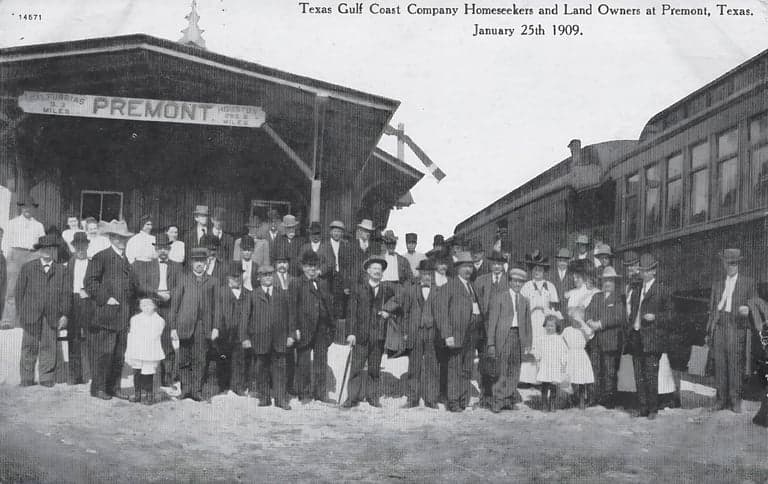
Alice's identity did not begin with the website. The Texas State Historical Association says the city began as Collins and later became a vital shipping center and an oil-boom town, with roots tied to railroad expansion, cattle ranching and petroleum development. That history helps explain why Alice still sees itself as a regional connector rather than a small isolated seat.
The city's history also includes a sharp reminder that growth came with public health pressures. In February 1899, a smallpox epidemic struck one of Alice's Mexican subdivisions on the outskirts of town, leading to quarantines, school closures, fumigation and free vaccinations ordered by the county health officer. The episode shows a community that has long had to balance expansion, mobility and basic public protection.
That background gives extra meaning to the city's current emphasis on services. Alice is not just promoting heritage for nostalgia's sake. It is presenting a long-running story of infrastructure, mobility and civic response, one that still shapes how people understand the city today.
Why the numbers matter across Jim Wells County
The scale of Alice's role becomes clearer when the population figures are placed side by side. Alice had 17,891 people in the 2020 census, while Jim Wells County had 38,891, which means the county seat serves a city that is smaller than the county it anchors but still central to the region's daily life. The fire department's own description reinforces that reach: it says it serves the city and Jim Wells County area, responds to surrounding counties in times of dire need, operates three fire stations and covers an area of about 845 square miles with a population of about 39,000.
That is the real test for the city's website. If the online portrait of Alice as a Hub City, full-service community and local destination is accurate, then the visitors pages are doing more than marketing. They are helping explain how a county seat with deep history and modest size can still function as the civic, service and cultural center of a wider South Texas community.
This article was produced by Prism’s automated news system from verified source data, official records, and press releases, then run through automated quality and moderation checks before publishing. The system is built and supervised by the people who set the standards it runs under. Read our full AI policy.
Did this article answer your question?