Jim Wells County highlights Alice history loop and museum landmarks
Three Alice landmarks make a tight Jim Wells County history loop: the South Texas Museum, the McGill Brothers Building and Collins Cemetery. Together they trace ranching, oil and family history in one easy outing.
Alice packs a surprising amount of Jim Wells County history into a route you can cover in a single outing. Start at the South Texas Museum, step into the McGill Brothers Building story just around the same address, then finish at Collins Cemetery to see how ranching, oil and family lines shaped the county’s identity. The stops are close enough to make the loop practical, but each one reveals a different layer of how Alice grew.
Start at the South Texas Museum
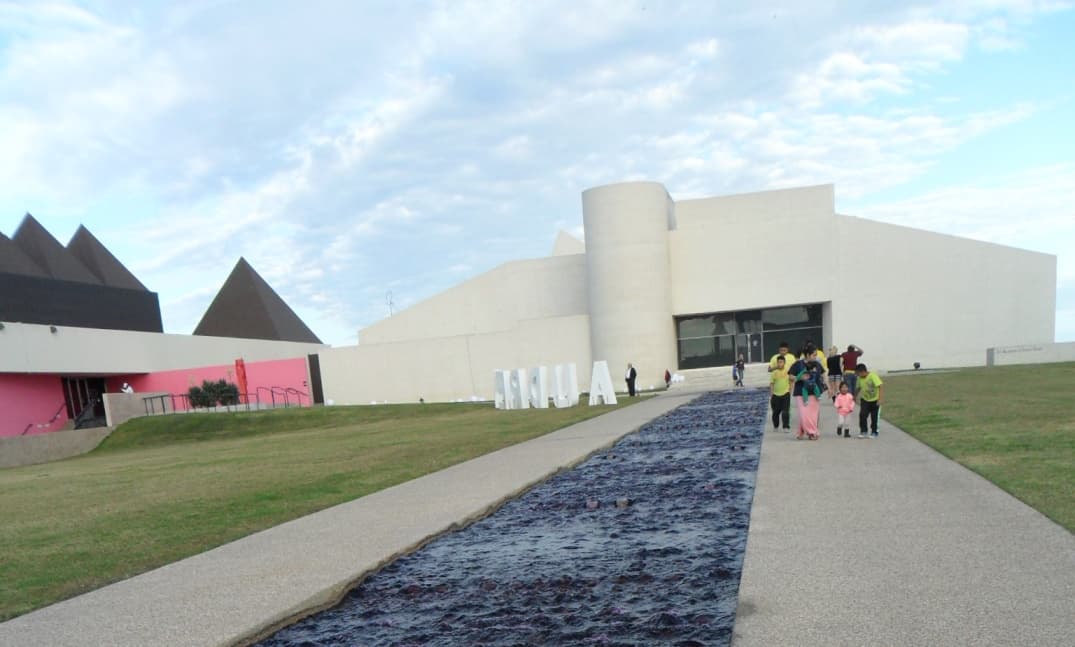
The best place to begin is the South Texas Museum at 66 S. Wright Street in Alice. The Texas Historical Commission lists it as a Recorded Texas Historic Landmark and a museum site in Jim Wells County, and the Texas Museum Database says the museum was established in 1967. That makes it a useful first stop for anyone who wants a quick orientation to local history before moving through the rest of the loop.
Its hours also make planning simple. The museum is open Monday through Thursday from 10:00 a.m. to 2:00 p.m., which gives families, teachers and visitors a narrow but reliable window to fit the stop into a morning or early afternoon. Because the museum has served the community for decades, it works as both a destination and a starting point for understanding why Alice’s historic buildings matter.
The Jim Wells County Historical Commission gives that visit even more context. The commission’s mission is to protect, preserve and promote the county’s historic resources, and it keeps local history accessible through its website, newsletter and maps of state historical markers. It meets on the first Monday of every month at 6:00 p.m., a detail that matters for readers who want to connect a self-guided visit with the county’s formal preservation work.
The McGill Brothers Building tells the ranching and oil story
Just around the same address, the McGill Brothers Building adds the second layer of the loop. The state marker identifies Claude and Frank McGill as major South Texas ranchers who helped organize Jim Wells County and were active in the Southwestern Cattle Raisers Association. Claude later served as vice-president, and Frank became president, which shows how deeply the family was tied to the regional cattle industry as well as local civic life.

The building itself was completed in 1941 for ranch-office use. Architectural history notes describe it as the headquarters for the McGill family’s ranch and oil operations, which places it at the intersection of two forces that shaped Alice and the wider region. At the time referenced by architectural historians, Alice had one of 130 oil-related enterprises, a reminder that oil wealth was not just a distant South Texas phenomenon but part of the city’s everyday economic fabric.
The design helps explain why the structure stands out. The building was patterned after San Antonio’s Alamo Museum, and its corbelled stone parapet and Greek influences give it a look that is both local and deliberately symbolic. In 1975, heirs of the McGill brothers donated the building to the South Texas Museum Corporation, which preserved it as part of Alice’s historical landscape rather than letting it drift out of public memory.
Taken together, those details make the McGill Brothers Building more than a family monument. It captures a period when ranching capital, oil development and organized civic influence converged in Alice, and it shows how private enterprise fed into the county’s public identity.
Collins Cemetery closes the loop with ordinary county life
The final stop is Collins Cemetery at 135 S. Flournoy Rd. in Alice, within the city limits. The Texas Historical Commission says the cemetery has two entrances on S. Flournoy Rd., contains roughly 1,000 graves and includes burial dates spanning about 1887 to 2012. The commission designated it on January 4, 2016, which adds a formal marker to a place that has long served as a record of local families.
Its scale makes it especially useful for genealogy and family-history work. Find a Grave lists 2,387 memorial records for Collins Cemetery, while PeopleLegacy lists 1,298 burial records. Those numbers suggest a site that is actively used by descendants, researchers and anyone trying to connect names in county records with real burial places.
For visitors, Collins Cemetery shifts the story from prominent ranching families to the broader span of everyday life in Jim Wells County. The gravesites show the long continuity of the community, from the late 19th century through the early 21st century, and they give the loop a final, grounded view of how local history survives in place.
Why this loop works for a weekend outing
The appeal of this Alice route is that it ties together three different kinds of history without sending you far from town. The museum represents preservation and interpretation, the McGill Brothers Building represents ranching wealth and oil-era growth, and Collins Cemetery represents the continuity of ordinary family life across more than a century. That combination makes the loop useful for local families, teachers planning a lesson outside the classroom and visitors who want a concrete sense of Jim Wells County in one trip.
The broader South Texas context helps explain why these sites matter now. Regional development was shaped by oil and gas discovery and later population growth, and Alice sits squarely in that story. The McGill building shows how ranch and oil capital anchored itself in town, the museum shows how the county now protects that memory, and the cemetery shows how those eras still live on in names, dates and burial records.
- Begin at the South Texas Museum at 66 S. Wright Street while it is open Monday through Thursday from 10:00 a.m. to 2:00 p.m.
- Walk or drive to the McGill Brothers Building area to read the marker and see how ranching and oil shaped the city.
- Finish at Collins Cemetery, where the markers and burial records turn the county’s past into a visible family archive.
A practical way to think about the route is simple:
That short loop turns Alice into a readable map of Jim Wells County history, and every stop adds a different piece to the same story.
This article was produced by Prism’s automated news system from verified source data, official records, and press releases, then run through automated quality and moderation checks before publishing. The system is built and supervised by the people who set the standards it runs under. Read our full AI policy.
Did this article answer your question?