Orange Grove history reflects Jim Wells County's land, migration roots
Orange Grove grew from ranch land, German settlement, and citrus-era marketing, and its story still shows up in county services, traditions, and land use.
Orange Grove’s name sounds like a promise, and that is exactly how it was meant to work. The town was built on land promotion, migration, and the hope that South Texas could be sold as a place of abundance. What took root was not citrus orchards alone, but a small community shaped by German settlers, ranch land, and the practical realities of life in Jim Wells County.
A town named to sell a future
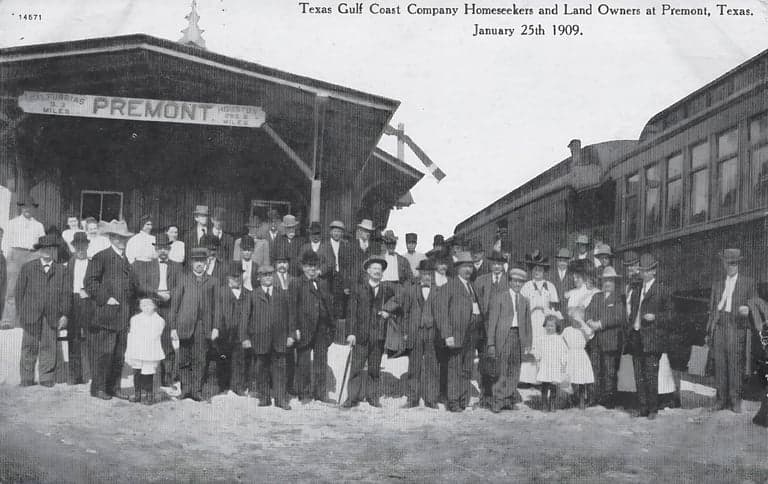
Orange Grove was platted by Dibrell and Starcke, who named streets for their friends before selling much of the land to German settlers from other Texas communities. That detail matters because it shows how many South Texas towns were assembled, not just discovered. Developers chose the name Orange Grove to evoke the booming citrus industry in the Lower Rio Grande Valley and attract settlers with the idea of agricultural profit.
That kind of marketing was common in an era when land sales, rail access, and farming expectations could decide where a family put down roots. Orange Grove’s origin story reflects that wider pattern. The town was not just a geographic point, but a calculated invitation to people who were looking for land, work, and a community that promised a future.
Built on ranch land at a county crossroads
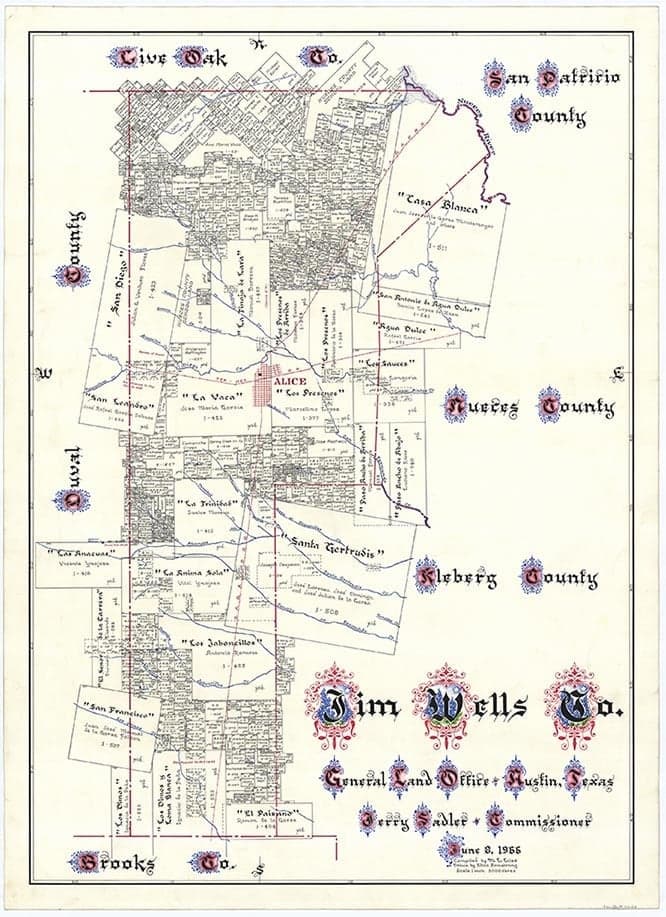
Orange Grove was founded in 1889 on land that had been part of the Ventana Ranch owned by George and Hannah Compton Reynolds. Its location still tells part of the story: the town sits at the intersection of State Highway 359 and Farm Road 624, about 18 miles north of Alice in northeastern Jim Wells County. That setting places Orange Grove inside the county’s transportation and settlement network, where highways and farm roads connect older land-use patterns to modern daily life.
Jim Wells County itself was founded in 1911 and is named for James B. Wells Jr., a South Texas judge and political figure. Put together, the county and town histories show a region built through law, land, and migration, with townsites emerging from ranch holdings and then being reshaped by incoming families. Orange Grove’s backstory fits that larger county pattern, where place names often preserve the ambitions of the people who first mapped and marketed the land.
German language and immigrant life left a lasting imprint
Orange Grove’s dominant language reportedly remained German for many years, a reminder that immigrant culture was not a side note in the town’s development. It was part of everyday life, shaping how people spoke, socialized, and held on to community identity. That endurance points to a settlement history rooted in more than economics. It was also a story of families carrying language and customs into a new landscape.
By the 1940s, the Orange Grove Rifle Club Hall had become the community’s social center. The annual May Feast and Annual Harvest Feast were held there, giving the town regular occasions to gather, celebrate, and mark the seasons. Those recurring events show how a community keeps itself together: not through one grand monument, but through shared spaces and rituals that residents recognize as theirs.
The hall’s role also reveals something important about small-town life in Jim Wells County. Social institutions often mattered as much as commercial ones. When a hall becomes the center of the town, it suggests that identity is built in places where people meet, eat, organize, and pass down memory from one generation to the next.
A small town that stayed distinct over time
Orange Grove has remained small, but it has not disappeared from the county’s story. Historical estimates place the population at about 750 in 1939, 906 in the early 1940s, about 1,100 in the early 1960s, 1,000 in the mid-1970s, 1,175 in 1990, and 1,288 in 2000. The U.S. Census reported 1,165 residents in 2020.
Those numbers suggest a town that has fluctuated but endured. Orange Grove never became a large city, and that is part of its identity. It has remained a place where family networks, local institutions, and land patterns still matter, even as the economy and daily rhythms of South Texas have changed. For Jim Wells County, that persistence is a reminder that community size does not determine community significance.
What residents still recognize today
The most visible traces of Orange Grove’s history are the kinds of things people see without always naming them: the road junction that anchors the town, the ranch land behind the townsite, the German settlement pattern embedded in local memory, and the community institutions that kept the place connected across generations. The county’s own materials place Orange Grove alongside annual events, museums, and community services, signaling that its history is still part of how Jim Wells County describes itself.
That is also why the county’s emergency alert partnership with the City of Orange Grove and the City of Alice matters. It shows that Orange Grove is not only a historical subject, but also part of the county’s present-day civic infrastructure. In practical terms, the town still figures into how people receive information and how local government reaches residents.
Orange Grove’s story is useful because it separates legend from documented history without losing the human meaning of either. The citrus name was a sales pitch, but the community that grew around it was real, durable, and shaped by immigrant labor, ranch land, and local tradition. In Jim Wells County, that mix is still visible in the geography, the institutions, and the names that continue to mark the land.
This article was produced by Prism’s automated news system from verified source data, official records, and press releases, then run through automated quality and moderation checks before publishing. The system is built and supervised by the people who set the standards it runs under. Read our full AI policy.
Did this article answer your question?