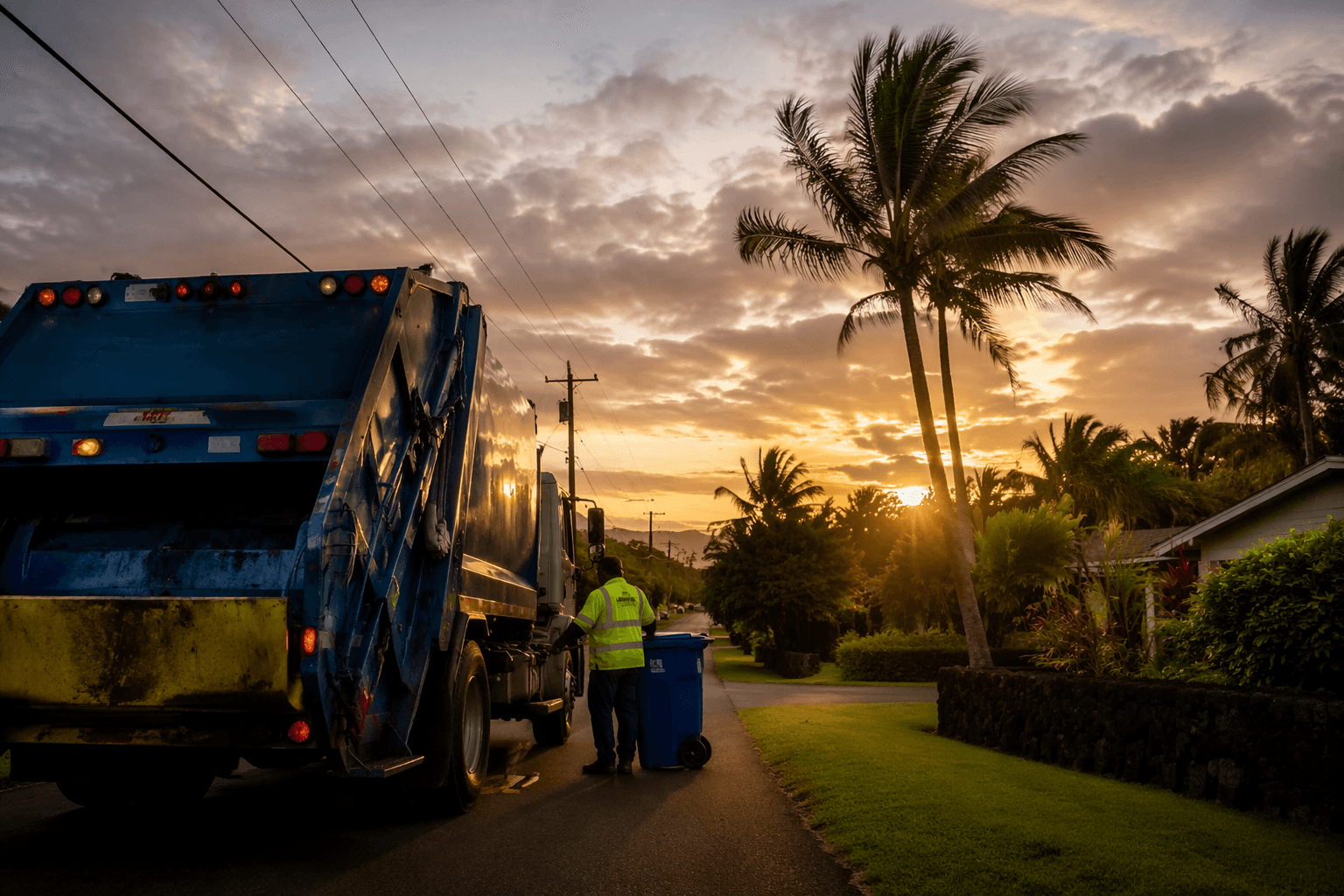
Hawaii hemp feed bill could open new market for Kauai growers
Kauai hemp growers could gain a new buyer if hempseed feed ingredients are approved, but livestock use still hinges on federal sign-off and new state rules.
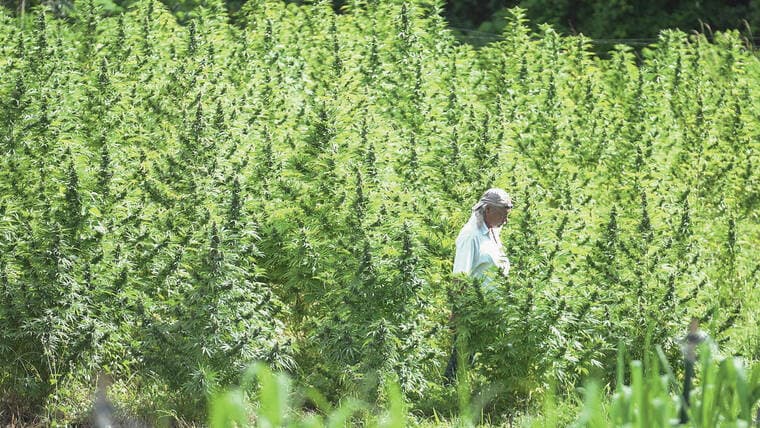
The key question for Kauai growers is whether hempseed byproducts can finally become a sellable local feed ingredient instead of an overlooked leftover. Senate Bill 2102 would let hempseed, hempseed oil, hempseed meal and hempseed cake enter commercial feed for pets, specialty pets and horses starting July 1, 2026, with livestock use still tied to approval from the U.S. Food and Drug Administration or recognition by the Association of American Feed Control Officials.
For Kauai Hemp Company owner Daryl Kaneshiro, the bill matters because island agriculture only pays when crops move beyond the field. Kauai Hemp Company, founded in 2019, was described in earlier coverage as Hawaii’s first USDA-certified organic hemp farm, and Nalu Botanicals Lab was then the state’s first and only toll processing facility. That history shows the bottleneck facing hemp on Kauai: growers may have land and expertise, but without processing and steady buyers, the crop is hard to scale in an island economy.
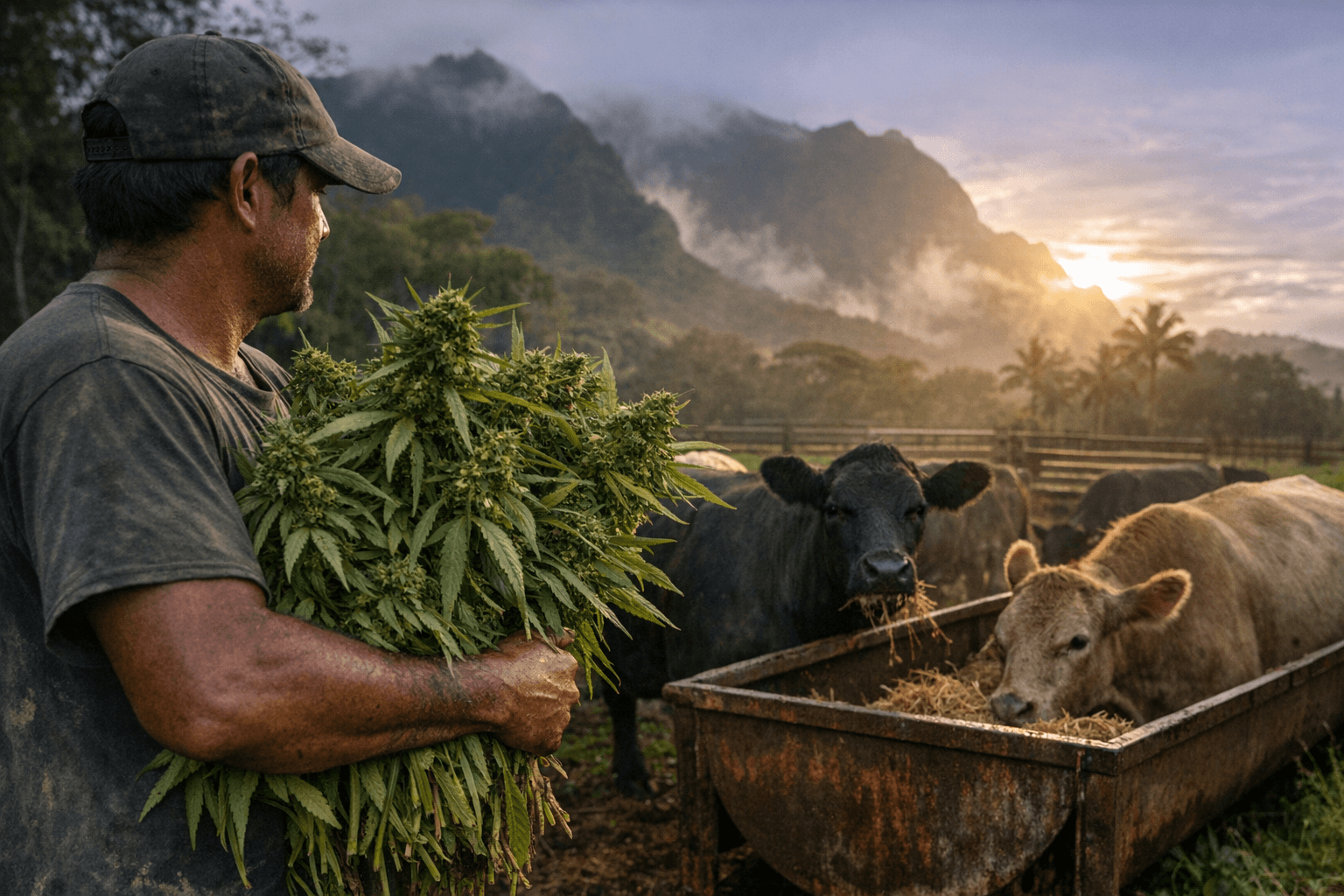
SB 2102 tries to build the missing pieces. The measure would require the Department of Agriculture and Biosecurity to begin rulemaking by December 31, 2026, to recognize hemp-derived feed ingredients defined in AAFCO’s official publication. It also requires manufacturers and distributors to keep records showing lot identity, certificates of analysis and proof that the hemp was lawfully sourced, and to provide samples for testing when asked.
The bill is also careful about what it does not allow. The House and Senate amended versions say it does not authorize cannabinoids, including cannabidiol, in feed. It also bars cannabinoids in human food, beverages and cosmetics under the related chapter, signaling that lawmakers are drawing a tight boundary around hemp ingredients rather than opening a broad new market.
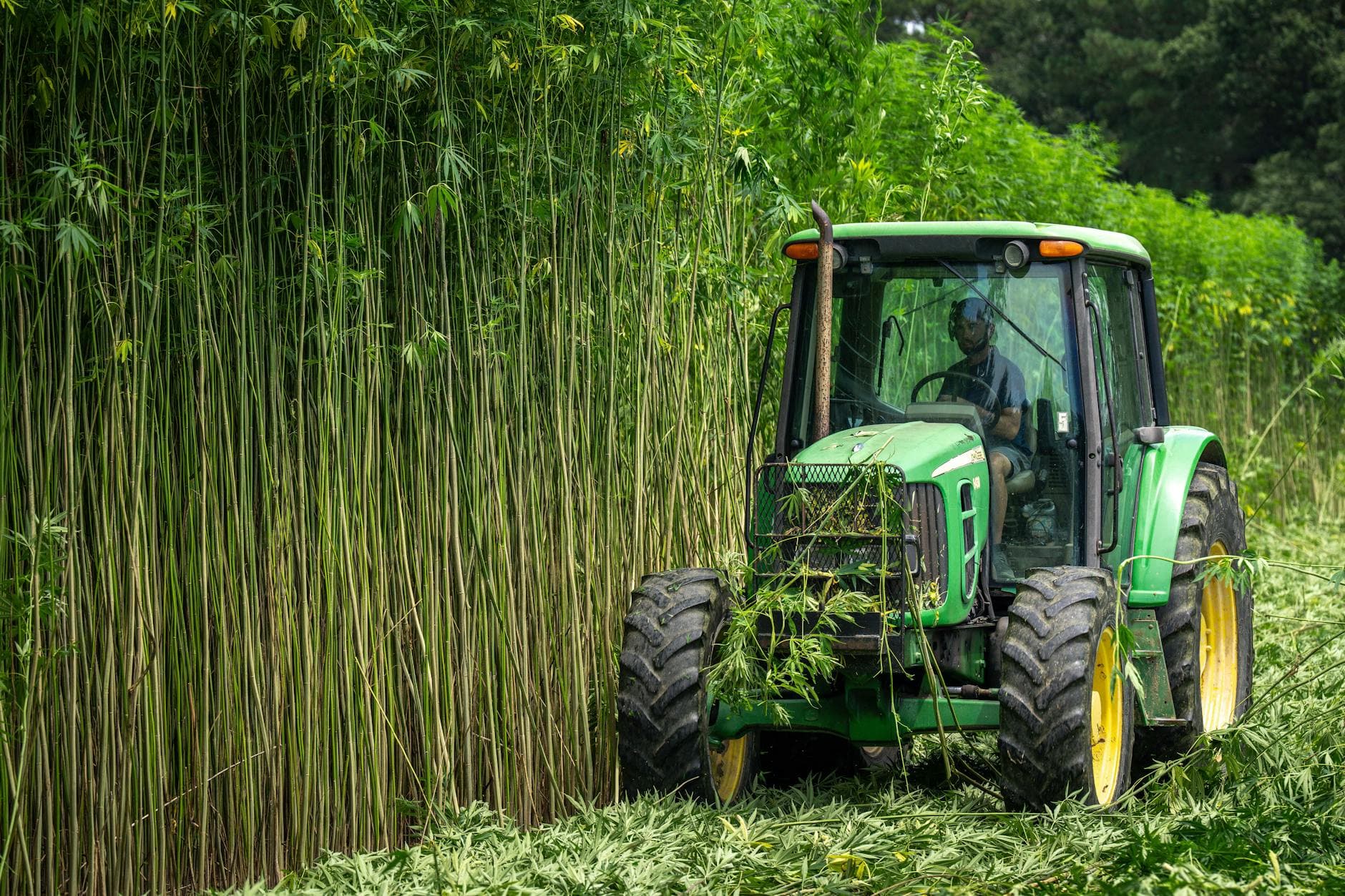
That caution reflects the years of uncertainty that have dogged Hawaii hemp. The Senate version passed in March 2026 and remained active in April, keeping the issue alive as lawmakers weigh whether the state can finally support a complete chain from cultivation to processing to approved end use. For Kauai, where agricultural diversification has to work within limited land, water and transport options, even a modest new outlet for hemp byproducts could matter. If the rules fall into place, local growers and processors could gain a niche market that makes hemp more viable on the island, while ranchers and other feed buyers could eventually see a locally sourced alternative to expensive imports.
This article was produced by Prism’s automated news system from verified source data, official records, and press releases, then run through automated quality and moderation checks before publishing. The system is built and supervised by the people who set the standards it runs under. Read our full AI policy.
Did this article answer your question?