Hawaiian stilt reclassified as threatened, signaling recovery in wetlands
Kauai wetlands helped push the aeo from endangered to threatened, but the bird stays protected under a new Section 4(d) rule.
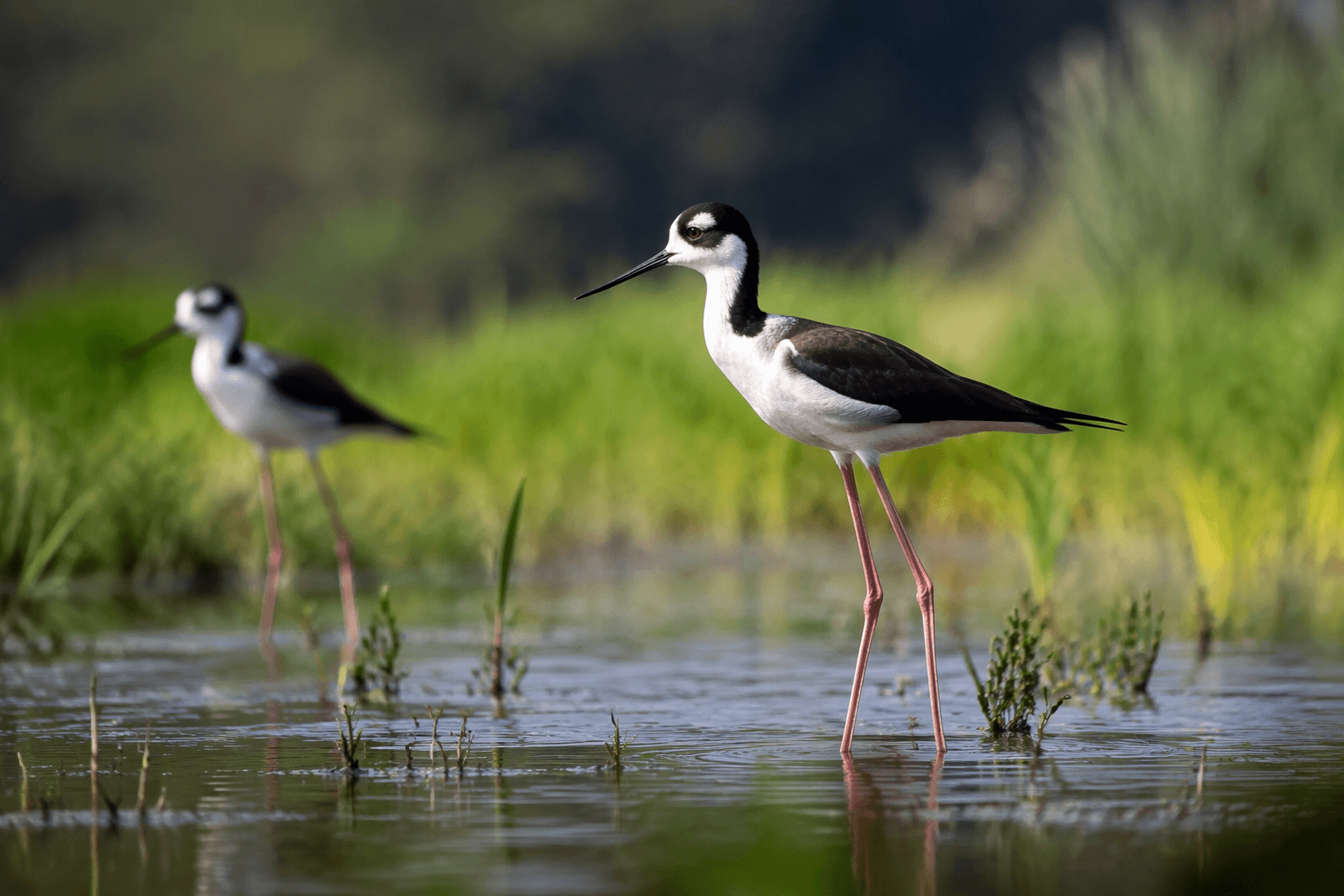
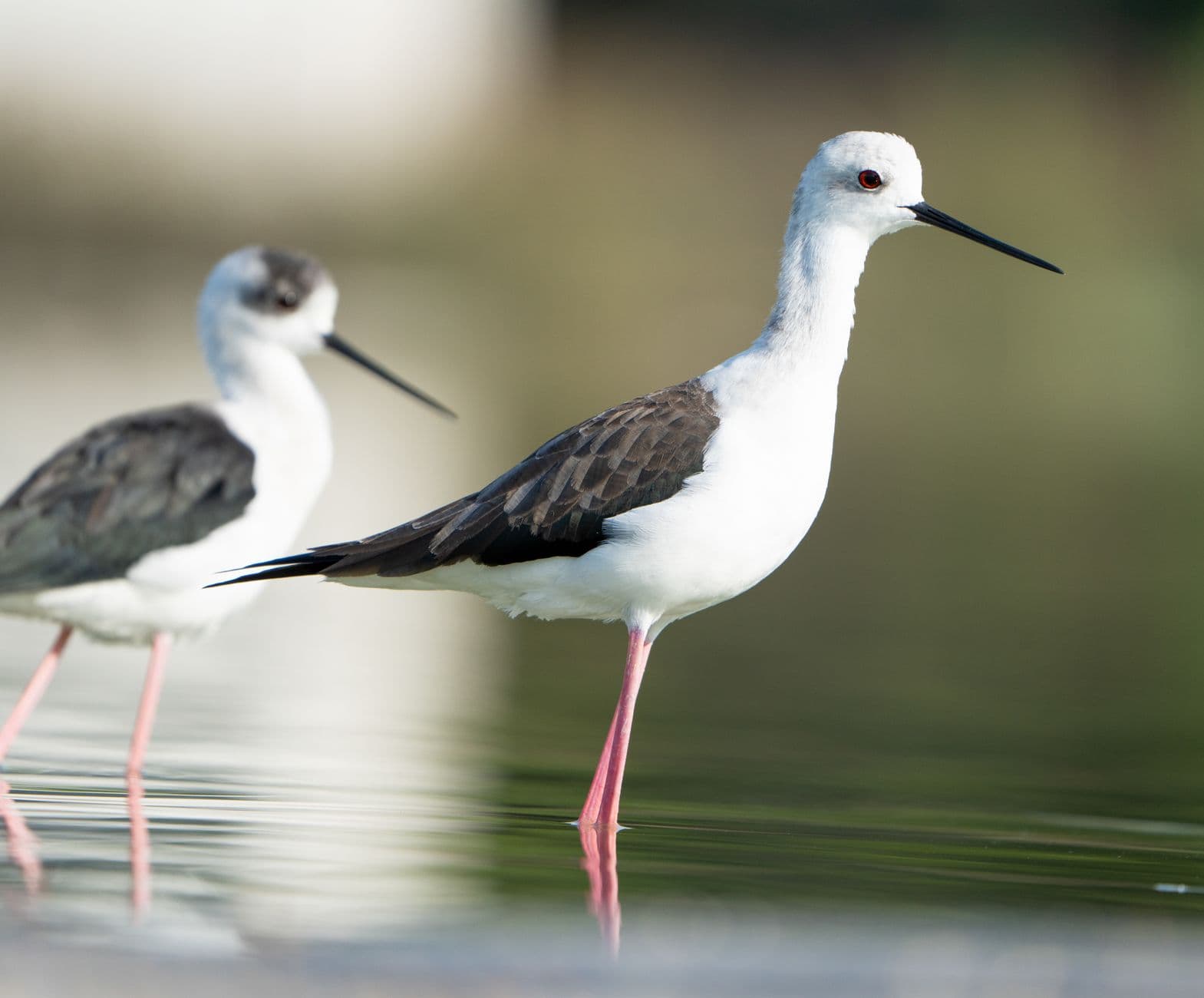
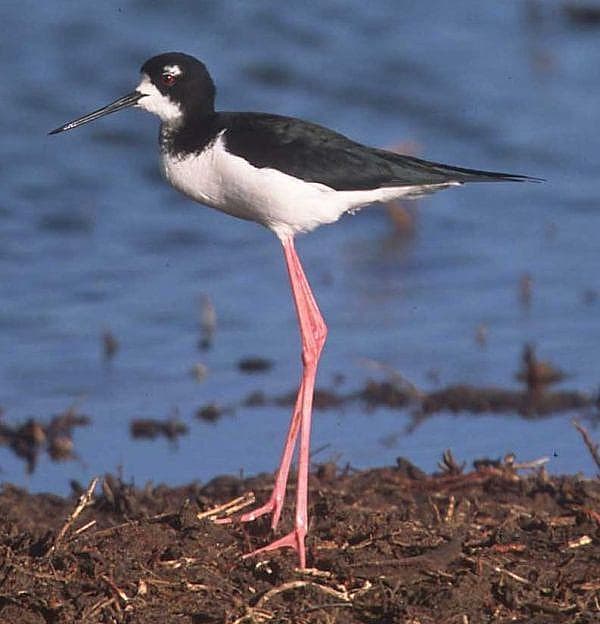
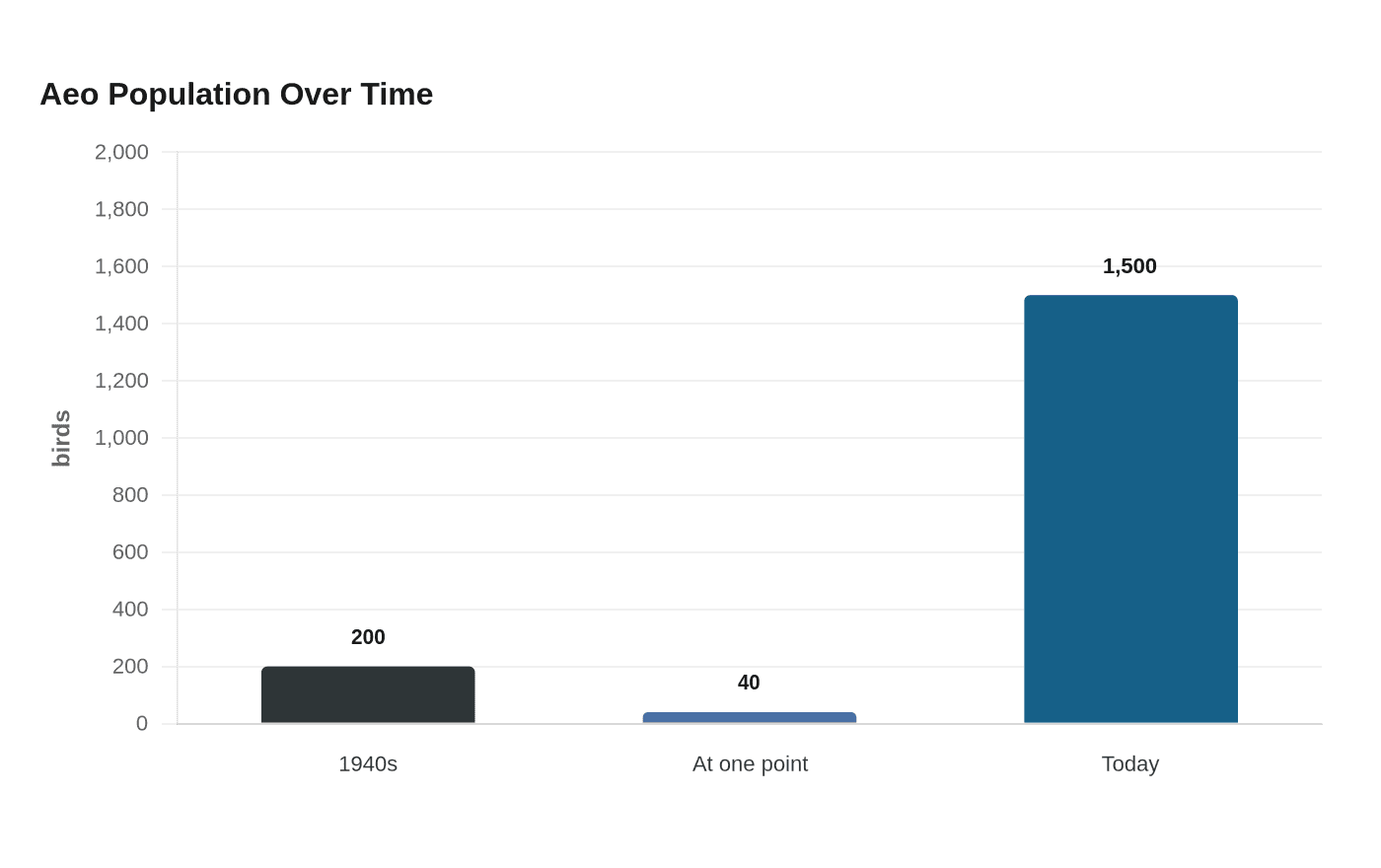
The Hawaiian stilt, or aeo, was moved from endangered to threatened on July 20, 2026, keeping the species on the federal list while signaling recovery in Hawaii’s wetlands. The University of Hawaii at Mānoa called the move a “rare and hopeful milestone” for a bird first listed under the Endangered Species Act in 1973. Recovery records put the population at about 200 birds in the 1940s, about 40 at one point, and roughly 1,500 today.
For Kauai, the practical change is narrower than the headline suggests. The final rule includes a Section 4(d) rule, the federal tool for tailoring protections for a threatened species, so the aeo still carries federal protection and land managers still have to account for shallow-water habitat in wetlands work and development reviews. The downlisting does not erase the bird’s dependence on intact wetlands, and it does not, by itself, rewrite access rules or open the door to easier development in places the species uses.
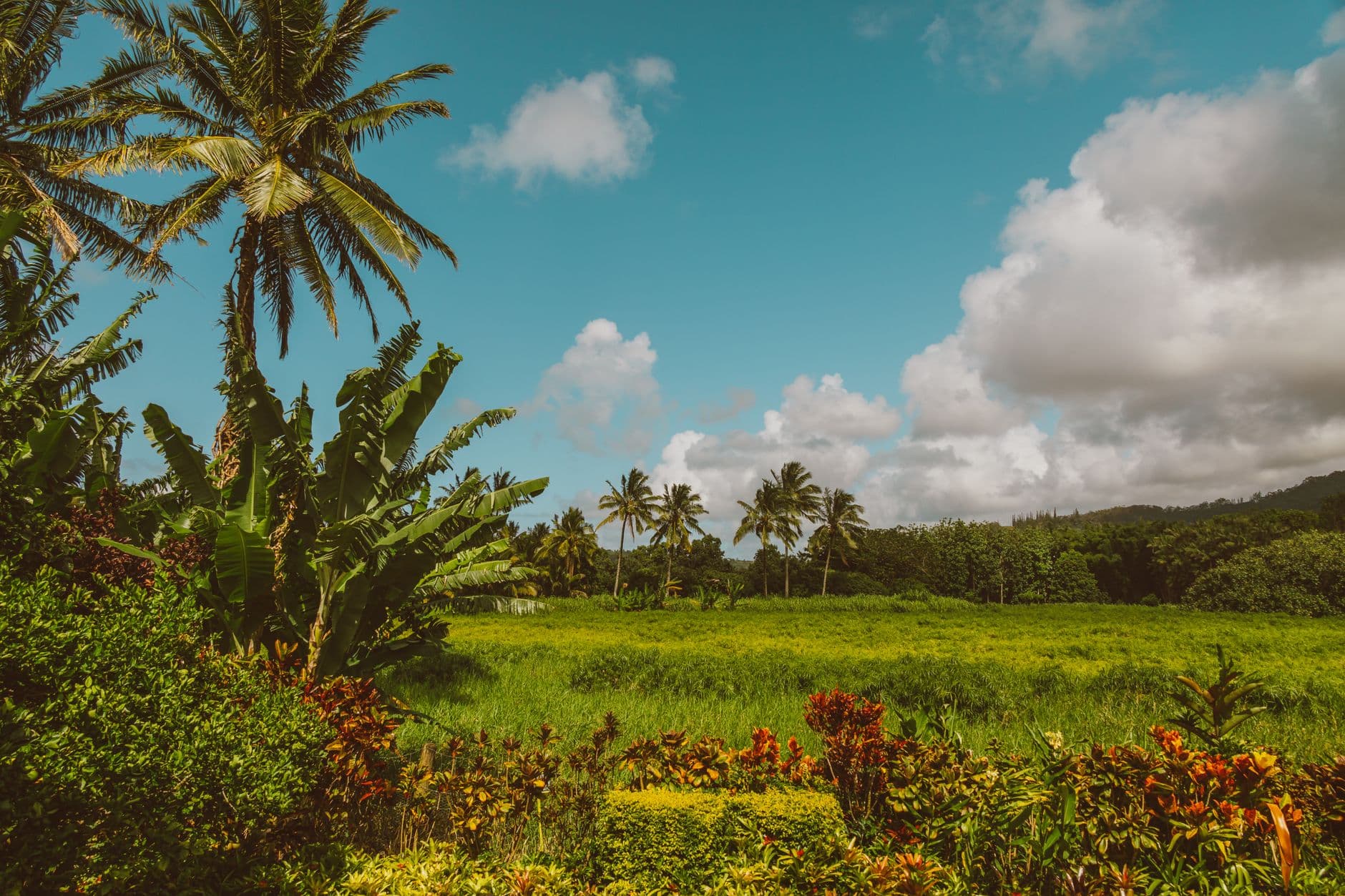
Hanalei National Wildlife Refuge on the North Shore was established to protect endangered and threatened waterbirds, including the aeo, and the refuge now operates under a wetlands management and waterbird conservation plan that the U.S. Fish and Wildlife Service completed after an environmental assessment. On the west side, the Mānā Plain Wetland Restoration Project at the Mānā Plains Forest Reserve is part of the island’s wetland recovery work.
A 2021 University of Hawaii School of Ocean and Earth Science and Technology report found that expanded Indigenous wetland restoration could more than compensate for projected losses of endangered waterbird habitat, but it also warned that much of the aeo’s core nesting habitat could be gone by 2100 as sea level rises.
This article was produced by Prism’s automated news system from verified source data, official records, and press releases, then run through automated quality and moderation checks before publishing. The system is built and supervised by the people who set the standards it runs under. Read our full AI policy.
Did this article answer your question?