NTBG’s Lāwai Gardens offer tours, history and shuttle access
Allerton and McBryde share one Lāwai Road gateway, with shuttle access built into every reservation. One is a 2.5-hour guided landscape tour, the other a self-guided native-plant walk.
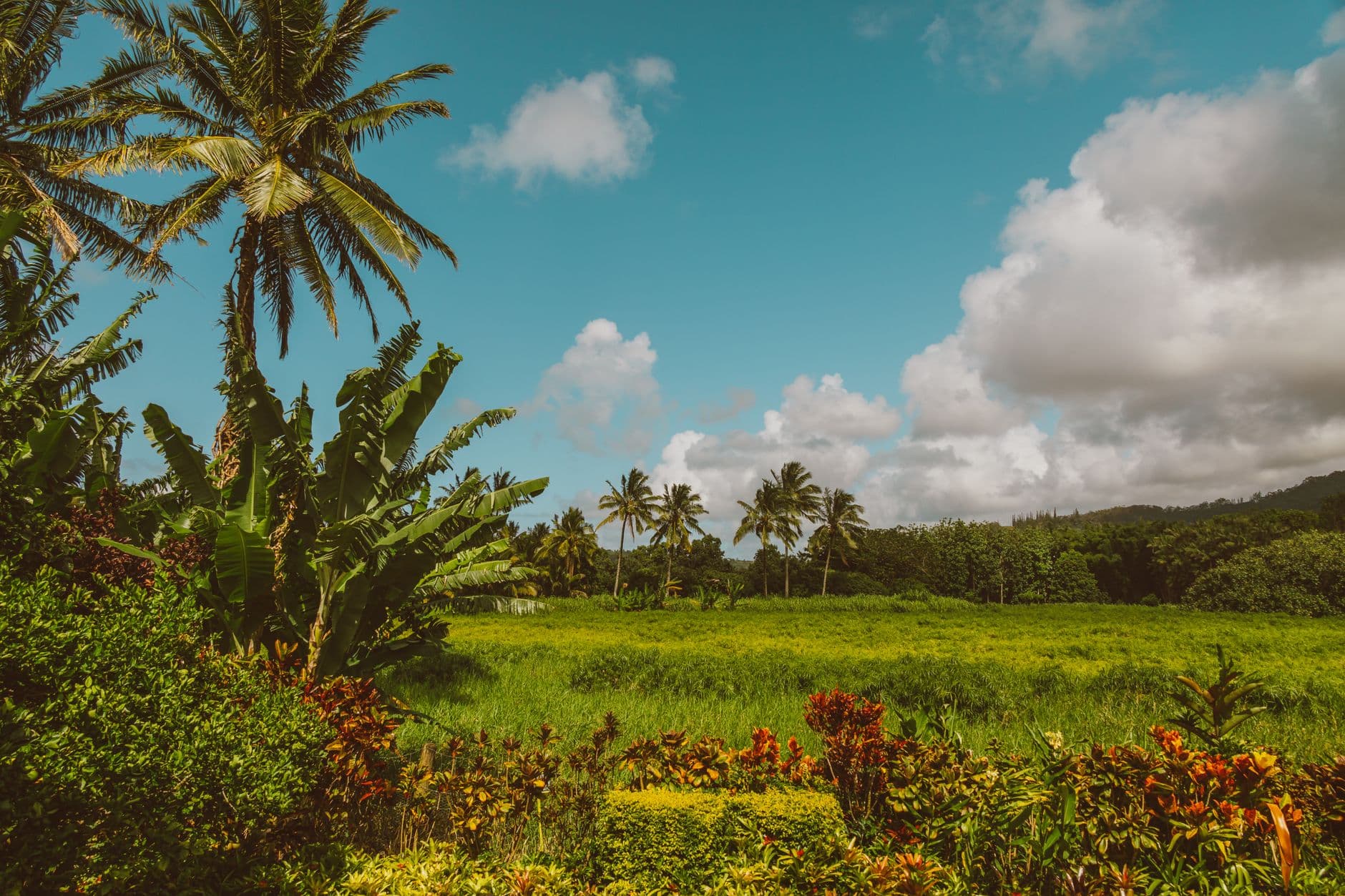
NTBG’s Lāwai Gardens Visitor Center at 4425 Lawai Road in Kōloa, across from Spouting Horn, is the single starting point for both Allerton Garden and McBryde Garden. Shuttle transportation into the gardens is included with every tour reservation, and NTBG notes that tours can sell out in advance, which makes advance planning part of the visit rather than an afterthought.
How the visit works
Every route into the Lāwai Gardens complex begins and ends at the visitor center, so the logistics are straightforward even before you choose a garden. That setup matters for day-trippers and for visitors you are helping from off island, because the shuttle is built into the reservation and the gardens are not a casual drive-up stop. The location also places the whole experience within easy reference of Spouting Horn, a familiar landmark for anyone coming through Kōloa.
That shared gateway is where the comparison starts, not where it ends. Allerton and McBryde sit under the same NTBG umbrella, but they are built around different kinds of time, movement and interpretation.
Allerton Garden: landscape history and a guided tour
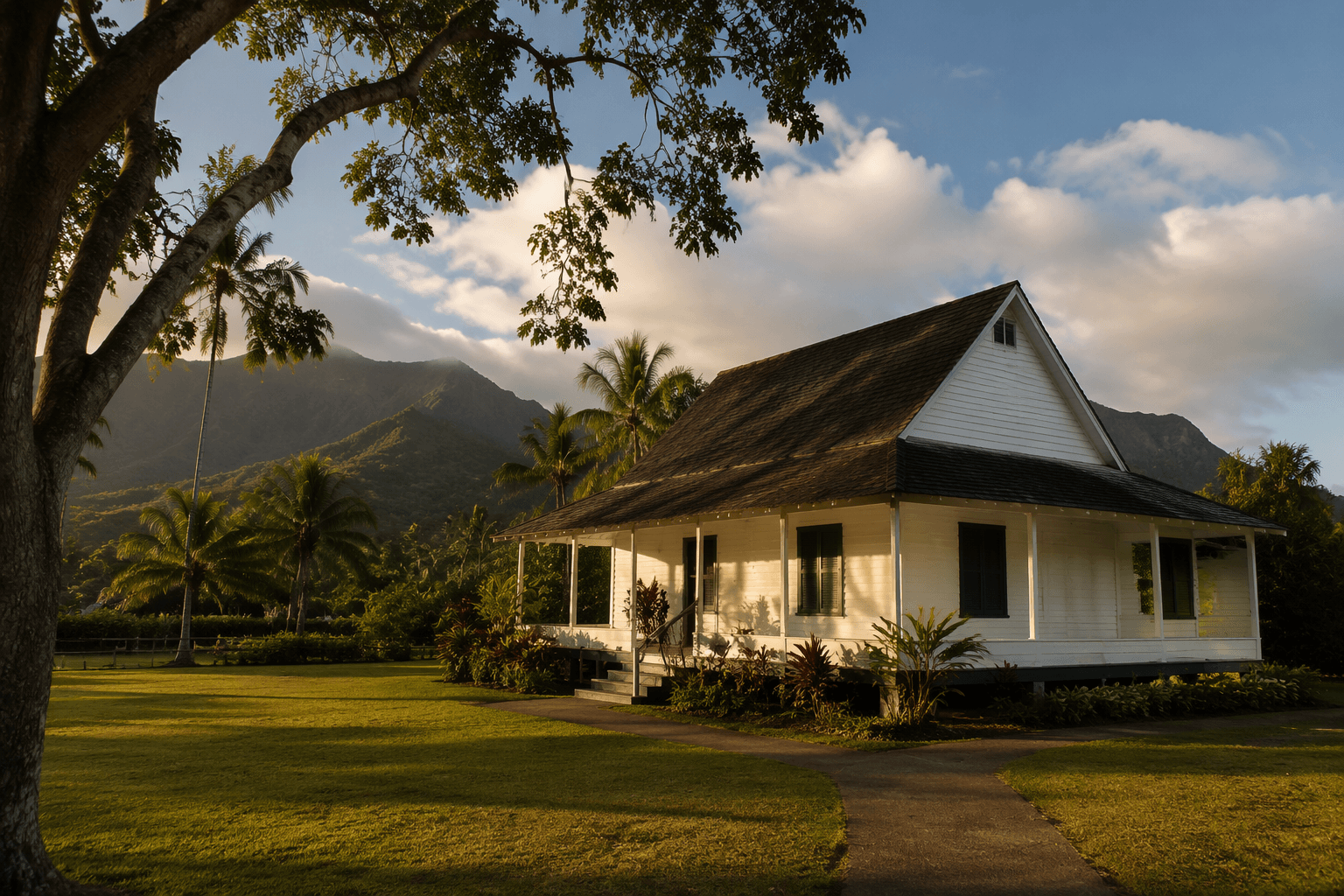
NTBG describes Allerton Garden as a living masterpiece and says it honors Queen Emma, who found solace there. The garden also celebrates Robert and John Gregg Allerton’s landscaped dream, and NTBG places that story at Lāwai Kai in the Lāwai Valley on Kauai. The setting gives the garden its force: this is a designed landscape in which people and plants are meant to be read together.
The guided tour format reinforces that approach. NTBG lists the Allerton experience as a 2.5-hour tour, which makes it the more structured of the two visits and the better fit if you want a narrative experience rather than a freeform walk. The tour works especially well for visitors who care about cultural landscape history, design, and the way the garden is tied to Queen Emma as well as to the Allertons’ own vision.
For local families hosting mainland relatives, Allerton is the stronger choice when the goal is to show Kauai as a place of layered history, not just scenery. The garden’s story is as much about the shaping of the land as it is about what grows there.
McBryde Garden: native plants and conservation in focus
McBryde Garden is framed differently. NTBG describes it as the world’s largest collection of Hawaiian native plants, and the experience centers on rare species, a breadfruit agroforest and the Hawaiian Life Canoe Garden. That combination makes McBryde the more clearly ecological of the two gardens, with more emphasis on what the plants mean for Hawaiian life, food systems and conservation.
NTBG also offers a self-guided tour format for McBryde Garden, which gives visitors more control over pace and attention. That format is useful if you want to linger with specific plants, move quickly with children in tow, or build the visit around the species that matter most to you. McBryde is the better fit for readers who want to see native plants up close and connect them to the island’s living environment rather than to a narrated historical storyline.
The breadfruit agroforest and Hawaiian Life Canoe Garden deepen that connection. Breadfruit, canoe plants and rare Hawaiian natives anchor the garden in both ecology and cultural knowledge, giving the place a practical role that goes beyond display. For anyone trying to understand why a botanical garden matters on Kauai, McBryde makes the answer visible in the plants themselves.
Which garden fits the day
If you are comparing the two for a single outing, the choice comes down to experience, terrain and the kind of time you want to spend.
- Allerton Garden is the better match if you want a guided 2.5-hour visit with a strong historical and artistic frame, centered on Queen Emma, Robert Allerton and John Gregg Allerton.
- McBryde Garden is the better match if you want a self-guided visit focused on Hawaiian native plants, rare species, breadfruit and canoe-plant traditions.
- Both gardens share the same practical access point at the Lāwai Gardens Visitor Center, and both use shuttle transportation included with the reservation.
- Both reward planning ahead, since NTBG says tours can sell out in advance.
That split helps explain why the gardens are not interchangeable, even though they share a gate and a shuttle. Allerton is the place for a curated walk through a landscaped work of art. McBryde is the place for a closer look at the plant life that anchors Hawaiian ecology and food knowledge.
Why these gardens matter beyond tourism
NTBG says the National Tropical Botanical Garden was formally established on August 19, 1964, through a Congressional Charter, and its 2021 impact report says it is the only botanical garden chartered by the United States Congress. That institutional status helps explain why the Lāwai Gardens complex functions as more than an attraction. It is part of a conservation organization whose mission centers on discovery, scientific research, conservation and education.
On Kauai, that mission has local stakes. McBryde’s Hawaiian native plants, rare species and breadfruit collections preserve living material that carries environmental and cultural value. Allerton’s carefully shaped landscape shows how place, memory and design can be maintained alongside conservation work. Together, the two gardens turn the Lāwai Valley into a public-facing archive of plants that matter to the island’s future as much as to its past.
The practical advice is simple: start at the visitor center, plan for the shuttle, and pick the garden that matches the day you want to have. The larger takeaway is harder to miss, because the gardens make it plain in living form: Kauai’s botanical future depends on keeping rare tropical plants, native species and the stories tied to them in view.
This article was produced by Prism’s automated news system from verified source data, official records, and press releases, then run through automated quality and moderation checks before publishing. The system is built and supervised by the people who set the standards it runs under. Read our full AI policy.
Did this article answer your question?