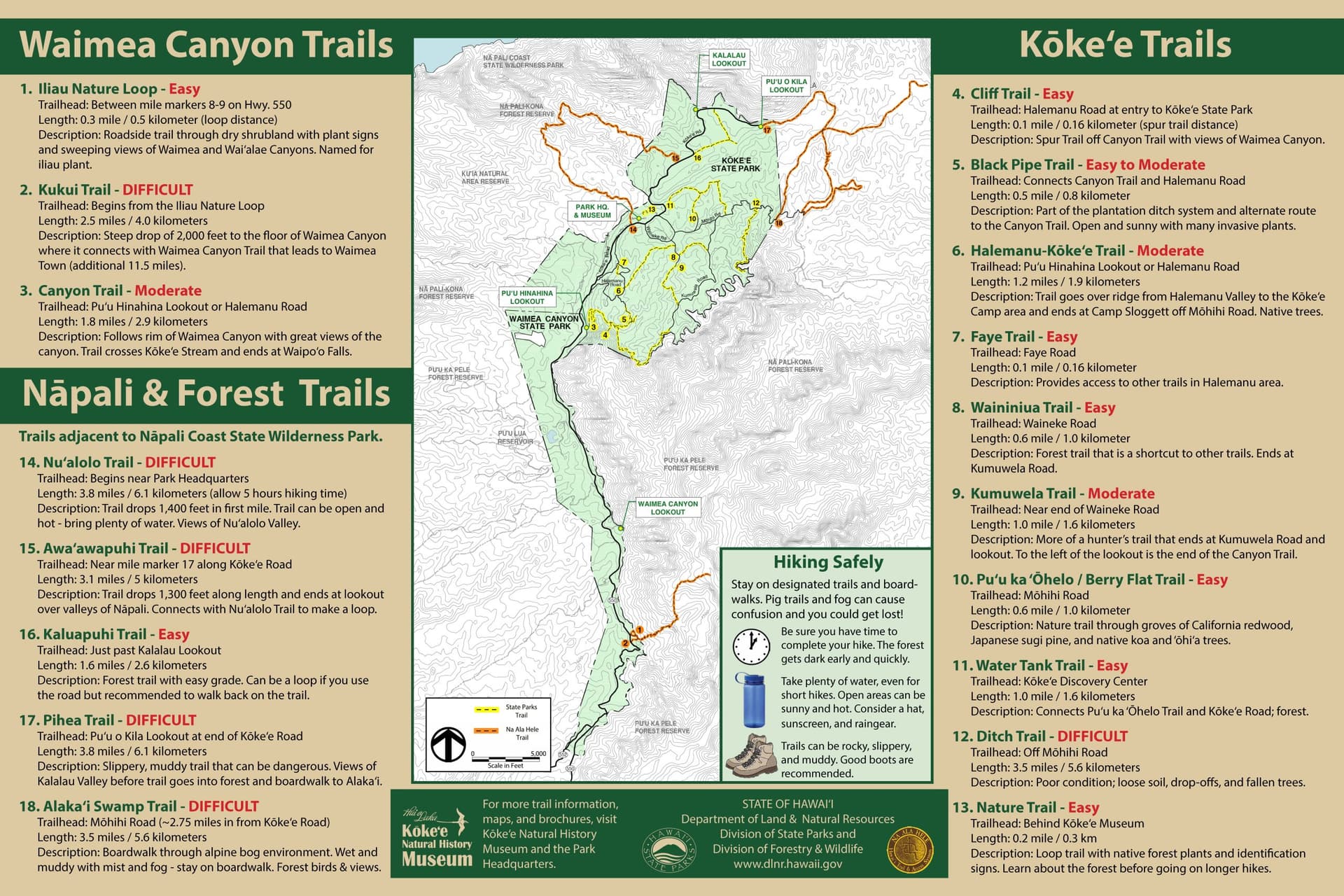
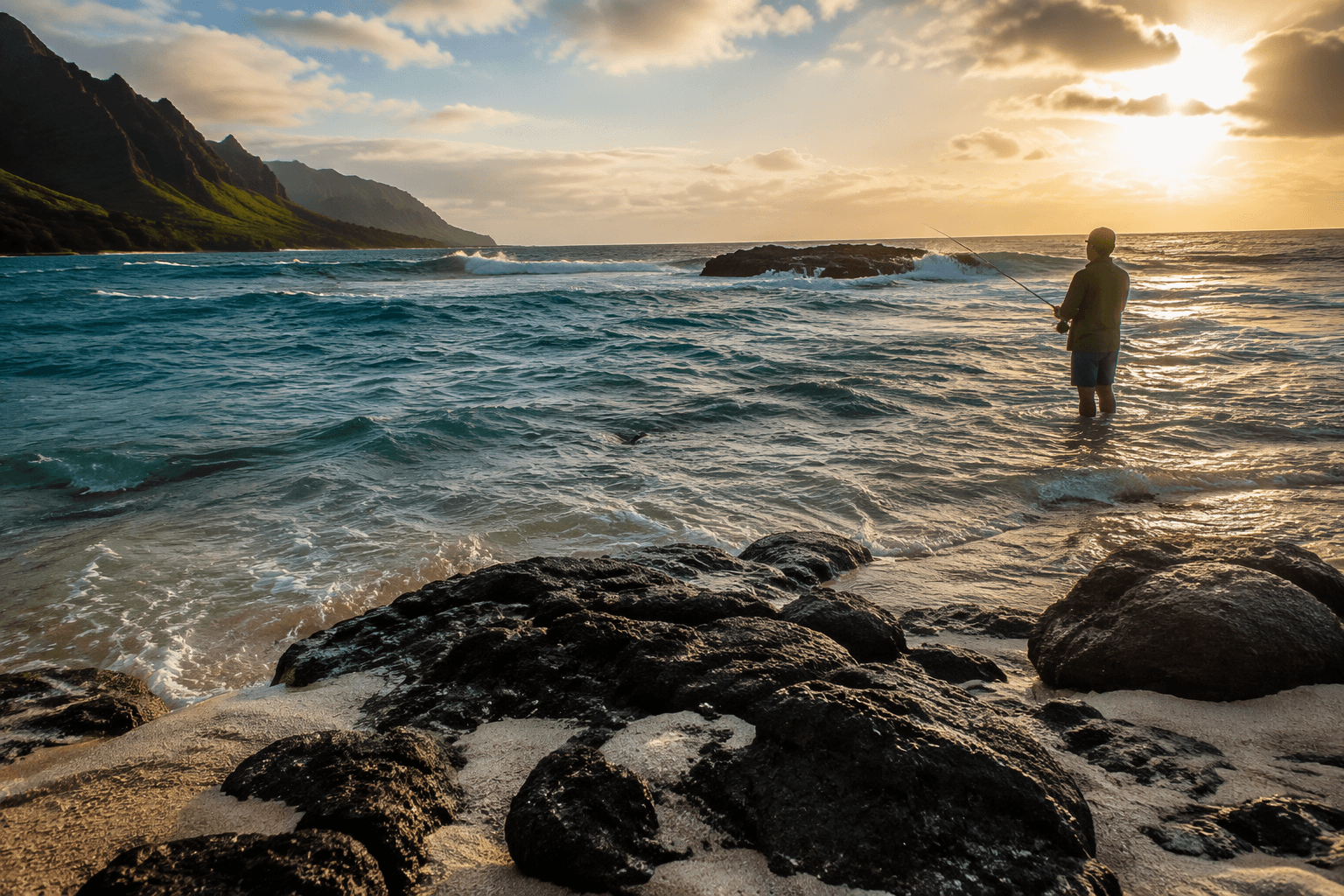
Kalalau Trail draws hikers to Kauai’s rugged Nā Pali Coast
Kalalau is Kauai’s iconic land route to the Nā Pali Coast, but permits, weather, and rescue risk make it one of the county’s most managed trails.
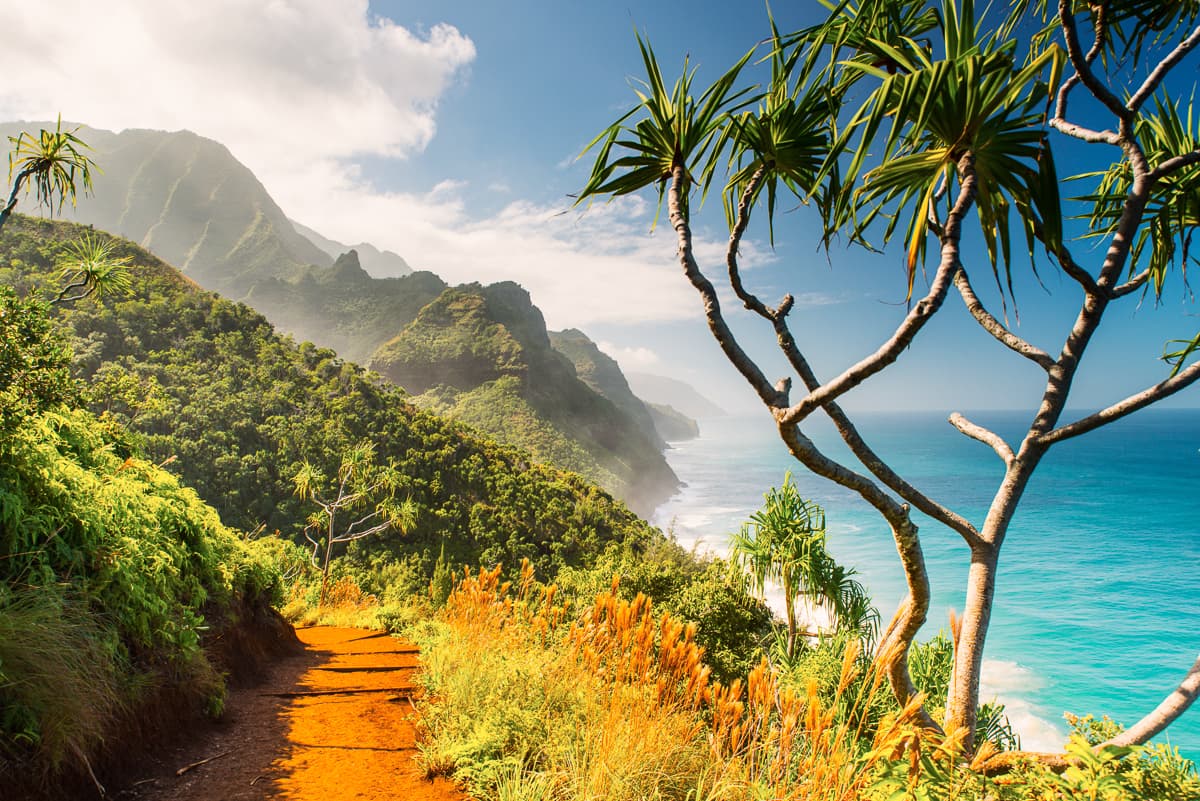
The 11-mile one-way route from Kee Beach at Hāena State Park to Kalalau Beach is the only land access to the rugged Nā Pali coast, and that single fact shapes everything from parking and shuttle use to permits and rescue response.
Why access, not scenery, defines this hike
The trail sits at the far north shore end of the road, in the same corridor as Hāena State Park and Nā Pali Coast State Wilderness Park. It is a controlled entry point into one of the island’s most remote public landscapes, where access management is part of the experience. For Hanalei and Hāena, the trail’s popularity is tied directly to visitor limits, parking pressure, and the need to protect the coast while still letting people reach it.
The trail’s reach is simple on paper and demanding in practice. A full round trip is 22 miles, and the farther hikers go beyond Hanakāpīai, the more the route becomes a serious backcountry commitment rather than a beach day.
What the trail is asking of hikers
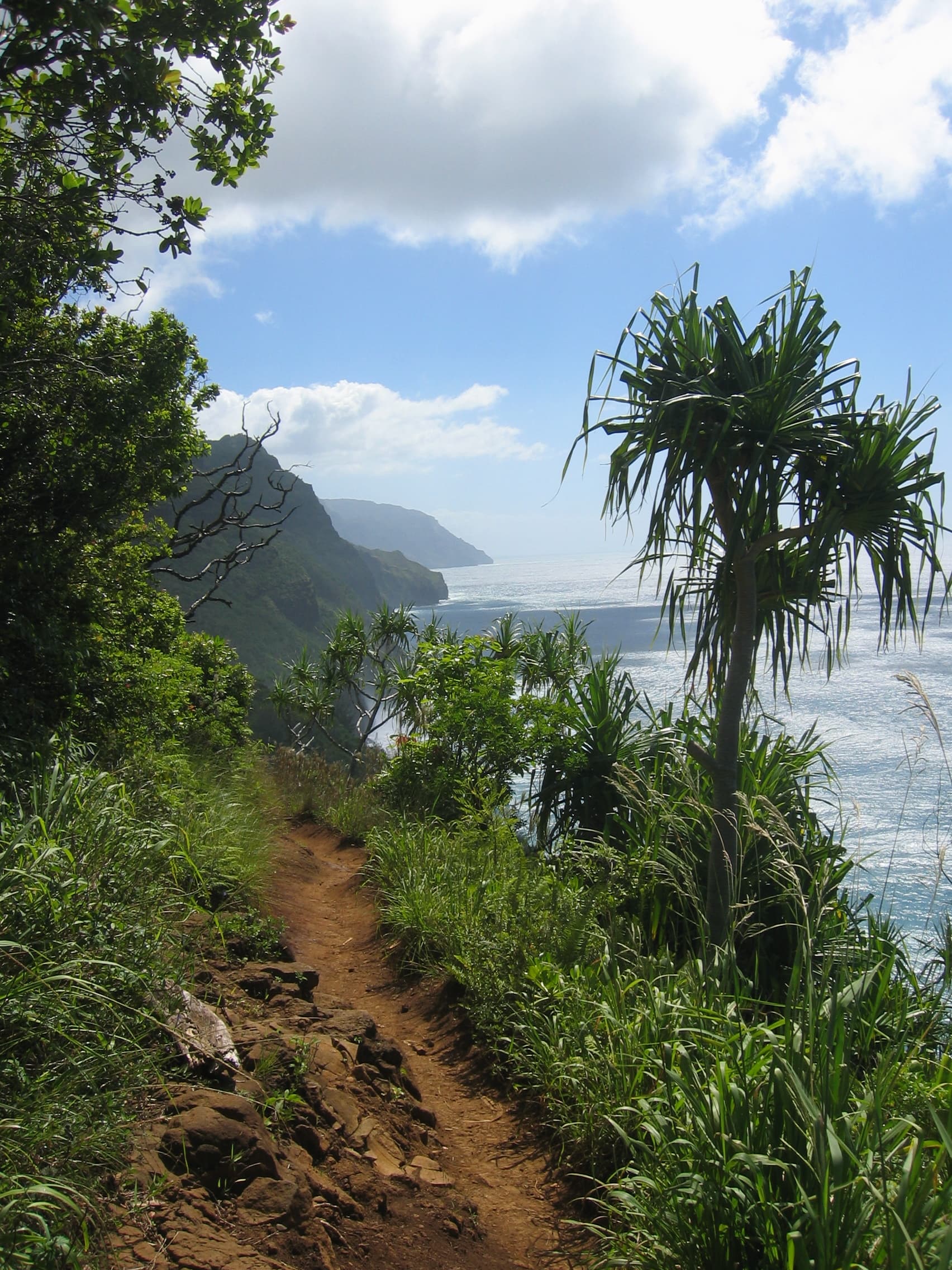
Kalalau’s reputation rests on the terrain as much as the view. The state warns of flash floods, falling rocks, hazardous cliff edges, and unstable ground that can break off without warning. There is no rock climbing, because the weathered basalt is not suitable for roping or climbing.
The route is not a paved overlook or a short coastal path. It crosses terrain that can change quickly after rain, and the hazards are built into the trail itself. Hikers should monitor weather reports and ocean conditions before going, because a clear morning at Kee Beach does not guarantee safe footing farther along the coast.
Rougher conditions and more rain are typical from October through April, which is the stretch when stream crossings, slick mud, and rockfall risks become more likely.
Permits, hours and fees at the gateway
Permits are required to hike beyond Hanakāpīai along the Nā Pali Coast, and a separate camping permit is required for overnight access. Camping is allowed at Hanakoa and Kalalau with the proper Kalalau permit, which also includes entry to Hāena State Park.
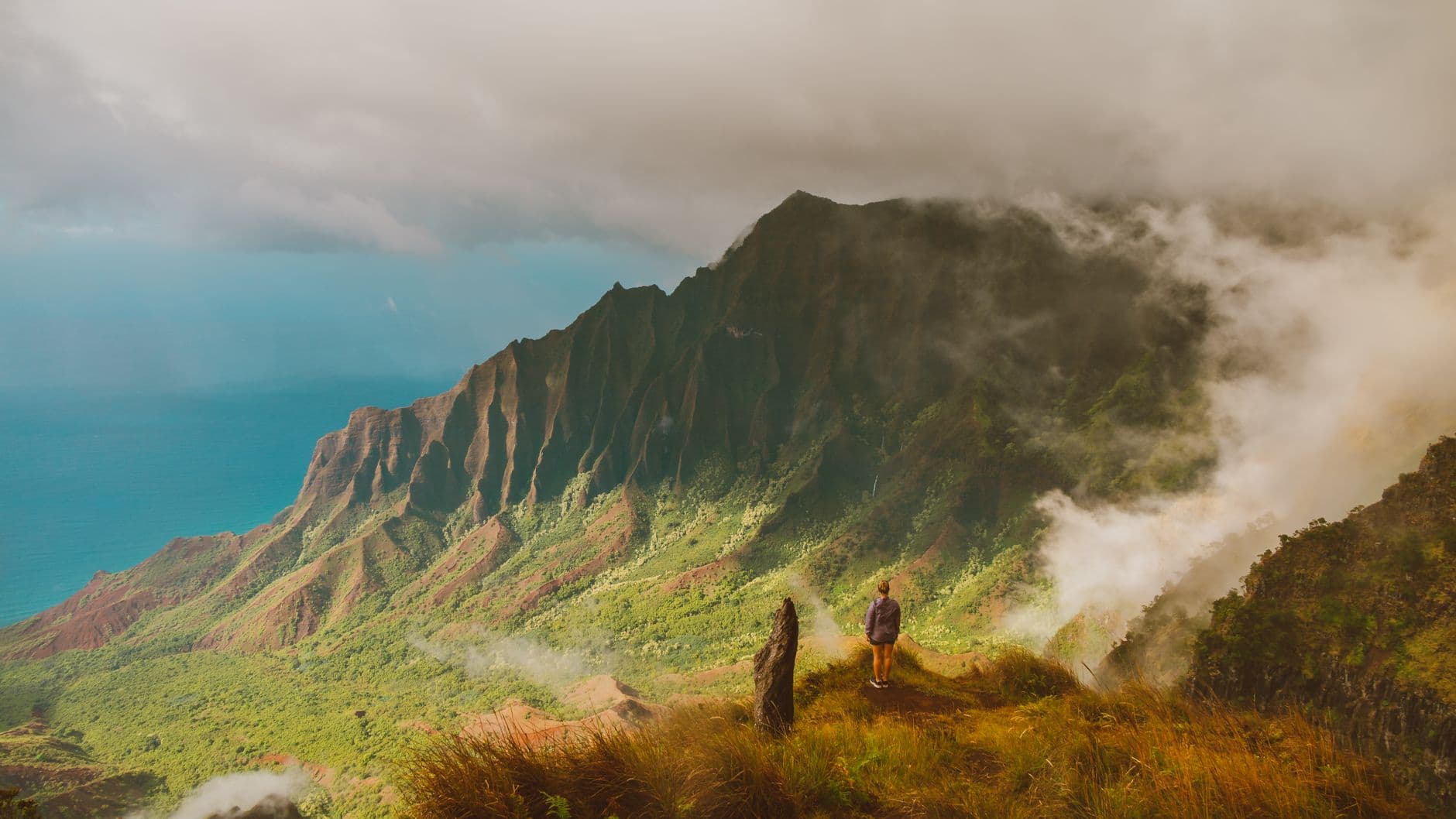
The state’s overnight camping capacity has been tightly limited. The daily cap was 60 people per night, with a temporary increase to 80 people per night in 2022.
Hāena State Park itself has its own front-door rules. Summer hours run from 7 a.m. to 7:45 p.m. and winter hours from 7 a.m. to 6:45 p.m., with summer hours beginning April 1 and winter hours beginning the day after Labor Day. Nonresidents pay $5 per person, while residents enter free with Hawaii ID. Go Hāena also runs reservation options that include shuttle plus entry passes.
Why rescues keep changing the calculation
On July 25, 2025, distressed hikers were rescued on the trail, and on May 19, 2026, a California visitor died following a rescue, Kauai County said. Those incidents sit on top of years of weather-related and emergency-response concerns tied to the coast’s isolation and its fast-changing conditions.
Once hikers are deep in the Nā Pali Coast corridor, help is not immediate, and weather can complicate both self-rescue and helicopter response. A route with only one land exit and no easy roadside access leaves little room for preparation gaps, especially when visitors underestimate stream crossings, cliff exposure, or the time it takes to return from Kalalau.
The county and state have responded by treating the trail as a managed corridor rather than an open invitation. Every permit, park hour, and shuttle seat is part of that system.
How Hāena became the model for managing Kalalau
In 2023, the community-led tourism management system at Hāena State Park had become a model for the state, built on the mix of park limits, reservations, and local stewardship around the North Shore.
This article was produced by Prism’s automated news system from verified source data, official records, and press releases, then run through automated quality and moderation checks before publishing. The system is built and supervised by the people who set the standards it runs under. Read our full AI policy.
Did this article answer your question?