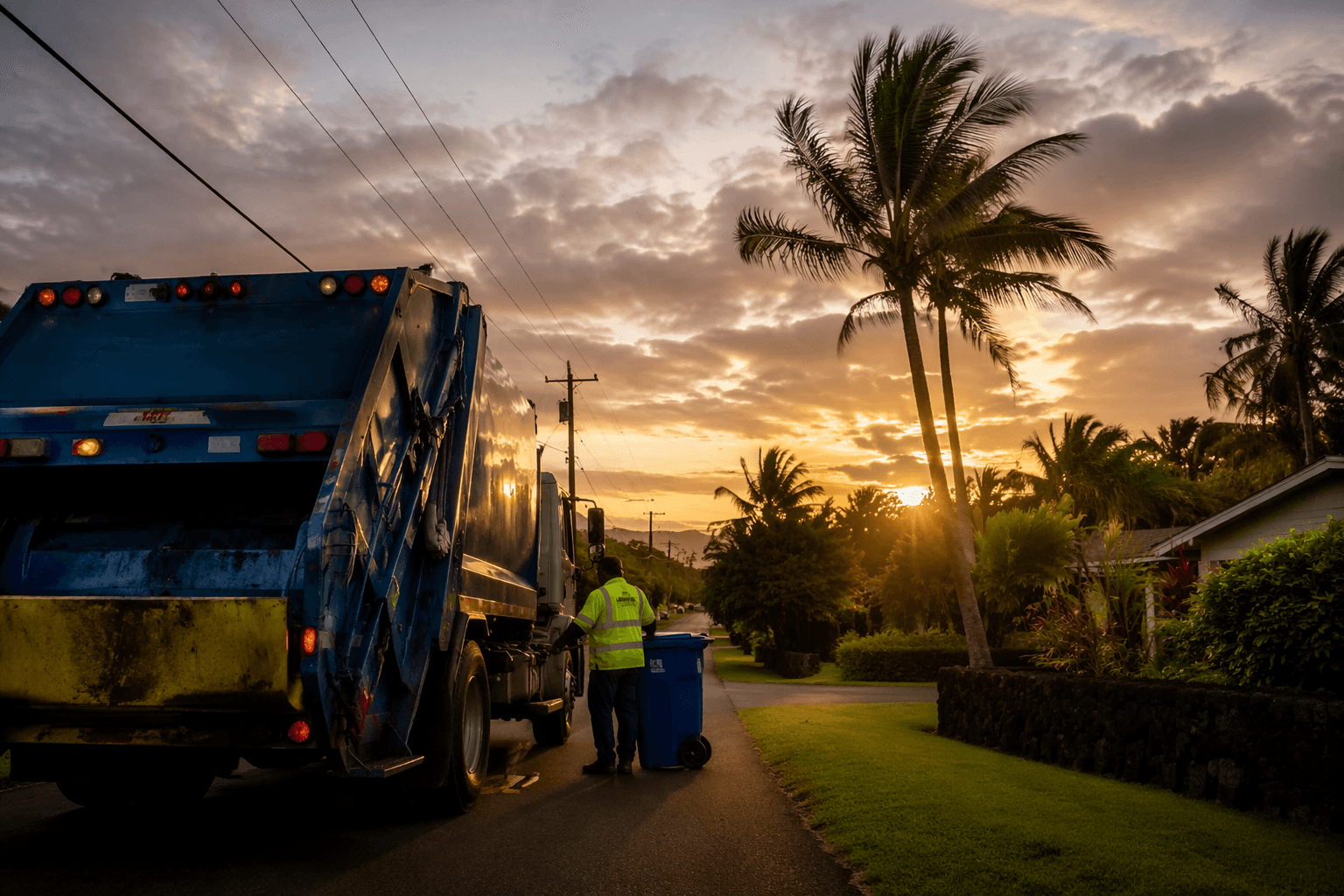
Kauai Faces Housing Crisis as Affordable Unit Construction Lags Far Behind Demand
Only four families have moved into Lima Ola so far, while Kauai needs 1,968 new units by 2035 and permits take over 400 days to approve.
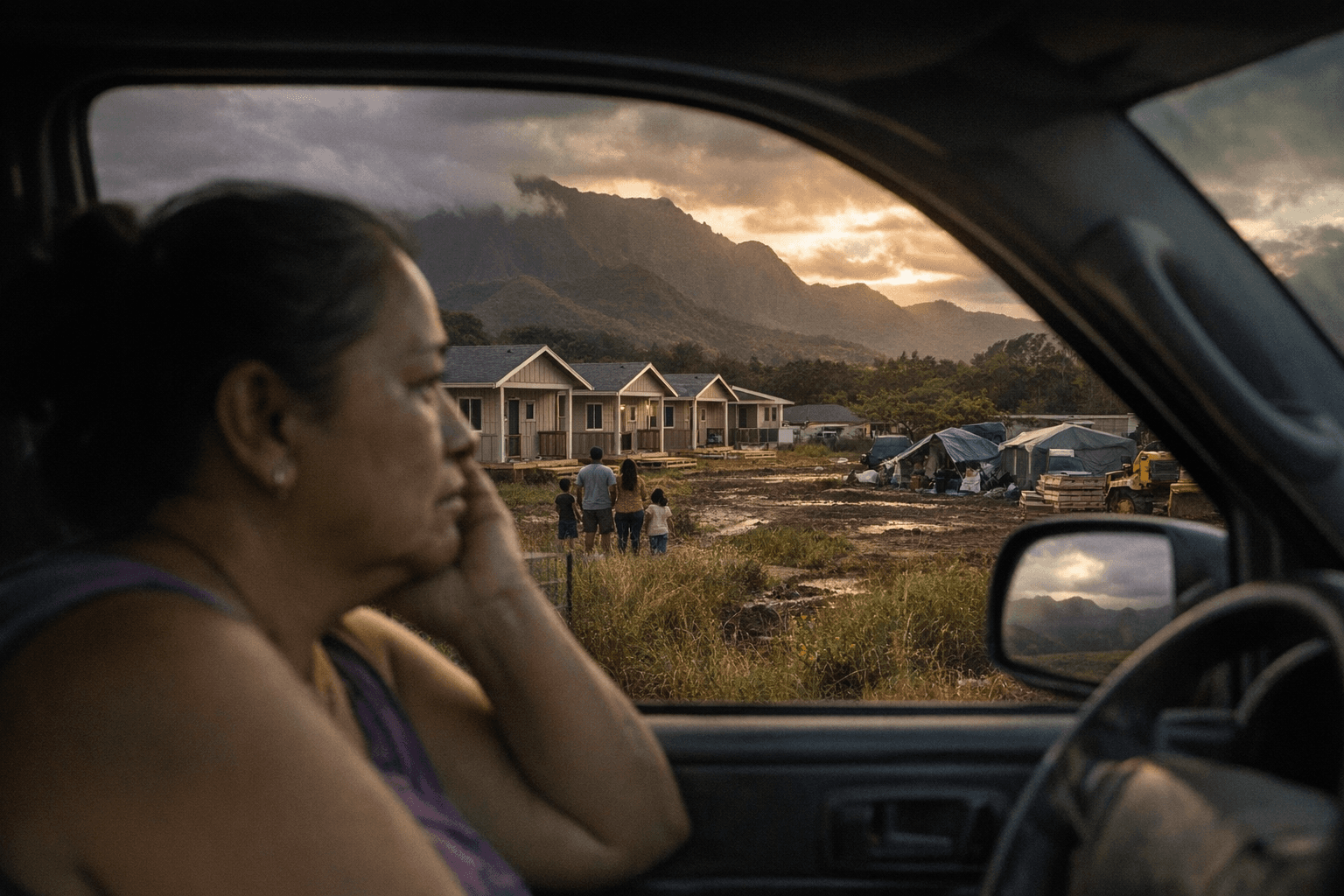
Four families. That is how many households had moved into Lima Ola as of February 2025, the county's flagship 550-unit affordable housing development and its most consequential housing effort in a generation. Kauai needs nearly 2,000 new units by 2035. Critics have described the pace as building homes with an eyedropper.
A March 2024 Hawaii Department of Business, Economic Development and Tourism report established the target: approximately 1,968 new housing units for Kauai County between 2025 and 2035. Against that demand, the county Housing Agency and its developer partners started 221 affordable units in 2023 and expected to begin another 288 in 2024, for a combined 509 — about a quarter of the decade-long need delivered in the pipeline's two most productive years.
The rental market is narrowing from a parallel direction. Kauai saw a 22% jump in short-term vacation rental listings between 2022 and 2023, the largest increase of any Hawaii county, pulling units from the long-term market as the shortage intensified. Home affordability in Hawaii has been described as "as bad as it's ever been," and the 2024 Point in Time homeless count on the island identified rentals being pulled from the market as a primary driver of displacement.
Lima Ola, the master-planned workforce housing community in ʻEleʻele, is the county's most visible response. The project traces its origins to the vision of the late Mayor Bryan J. Baptiste and was advanced under former Mayor Bernard Carvalho Jr., though Housing Agency Director Adam Roversi acknowledged it was "many years in the making" before it finally broke ground. Phase 1 covers 38 single-family homes priced between $460,000 and $535,000 and 111 multi-family rental units managed by affordable housing nonprofit EAH Housing, all targeting families at or below 120% of Kauai's area median income of just over $107,000. A new application round opened in March 2025, with lottery drawings scheduled into early 2026.
The Kapa'a Homes redevelopment, a partnership with Highridge Costa Development Company, will convert an aging 36-unit complex into 124 units serving households earning 30 to 60% of AMI. The County Council approved the plan unanimously in March 2024; construction is set for late 2025, with completion targeted for early 2027. A countywide Accessory Dwelling Unit incentive program waives building permit fees, plan review fees, and sewer capacity assessments to push more private rental units into the market.
Permitting remains the most quantifiable chokepoint. Multifamily housing approvals on Kauai take over 400 days, according to a 2025 analysis, a delay compounded by limited developable land and construction costs already higher than on larger islands. State money has proven decisive when it arrives: a $300 million allocation to Hawaii's rental housing revolving fund unlocked multiple Kauai projects in 2023, what Roversi called a "perfect storm" of private partners accessing state funds alongside Lima Ola finally breaking ground. State Representative Nadine Nakamura, former House Housing Committee chair and now majority leader, was unambiguous about the structural dependency: "Without these funds, it doesn't happen."
In April 2025, the Housing Agency held a community workshop at Waimea Canyon Middle School on the Waimea 400 Affordable Housing Master Plan, extending the pipeline further west. At the state level, the Ka Lei Momi initiative aims to build nearly 11,000 public housing units statewide. Whether those layers of state and county effort can compress the 400-plus-day permitting timeline and add units fast enough to matter is the question Kauai's housing shortage has been asking for years.
This article was produced by Prism’s automated news system from verified source data, official records, and press releases, then run through automated quality and moderation checks before publishing. The system is built and supervised by the people who set the standards it runs under. Read our full AI policy.
Did this article answer your question?