Kawakami Proposes $504 Million Budget Prioritizing Housing, Infrastructure Across Kauai
Kawakami's $504M budget asks the council for $15.8M in housing infrastructure now, the first step toward 2,000+ new homes over 15 years on county-owned land.
Mayor Derek Kawakami presented a $504 million county budget to the Kaua'i County Council Sunday, centering the spending plan on a 15-year push to build more than 2,000 affordable, rental, and for-sale homes across the island and the infrastructure required to make them possible.
The proposal divides into $365 million for county operations and $139 million in capital improvement projects, a roughly 4% increase over the prior year. The most immediate test for the council: approving $15.8 million in infrastructure funding tied directly to housing development sites, money that would cover road access, utility connections, and related groundwork before a single home can be framed.
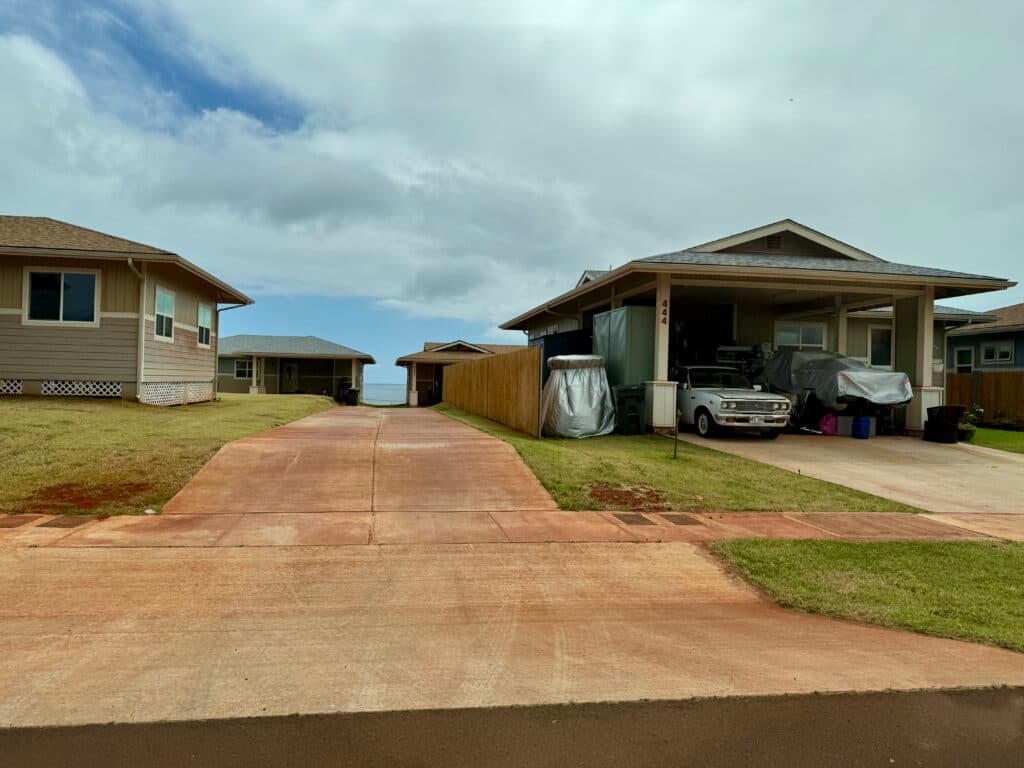
Lima Ola in 'Ele'ele offers the clearest picture of what Kawakami is attempting at scale. About 140 rental and for-sale homes are already completed there, and the full master plan calls for approximately 550 homes on 75 acres. The budget would replicate that model in Līhu'e, where the county purchased roughly 85 acres from Grove Farm to site a future master-planned community.
A central feature of the approach is county retention of land ownership, a mechanism designed to keep homes affordable in perpetuity by preventing resale at market rates. Kawakami told the council the proposal continues his long-standing focus on housing and infrastructure, and that earlier property tax adjustments, which shifted more of the financial burden onto visitor accommodations, were intended to direct that revenue toward exactly this kind of local investment.
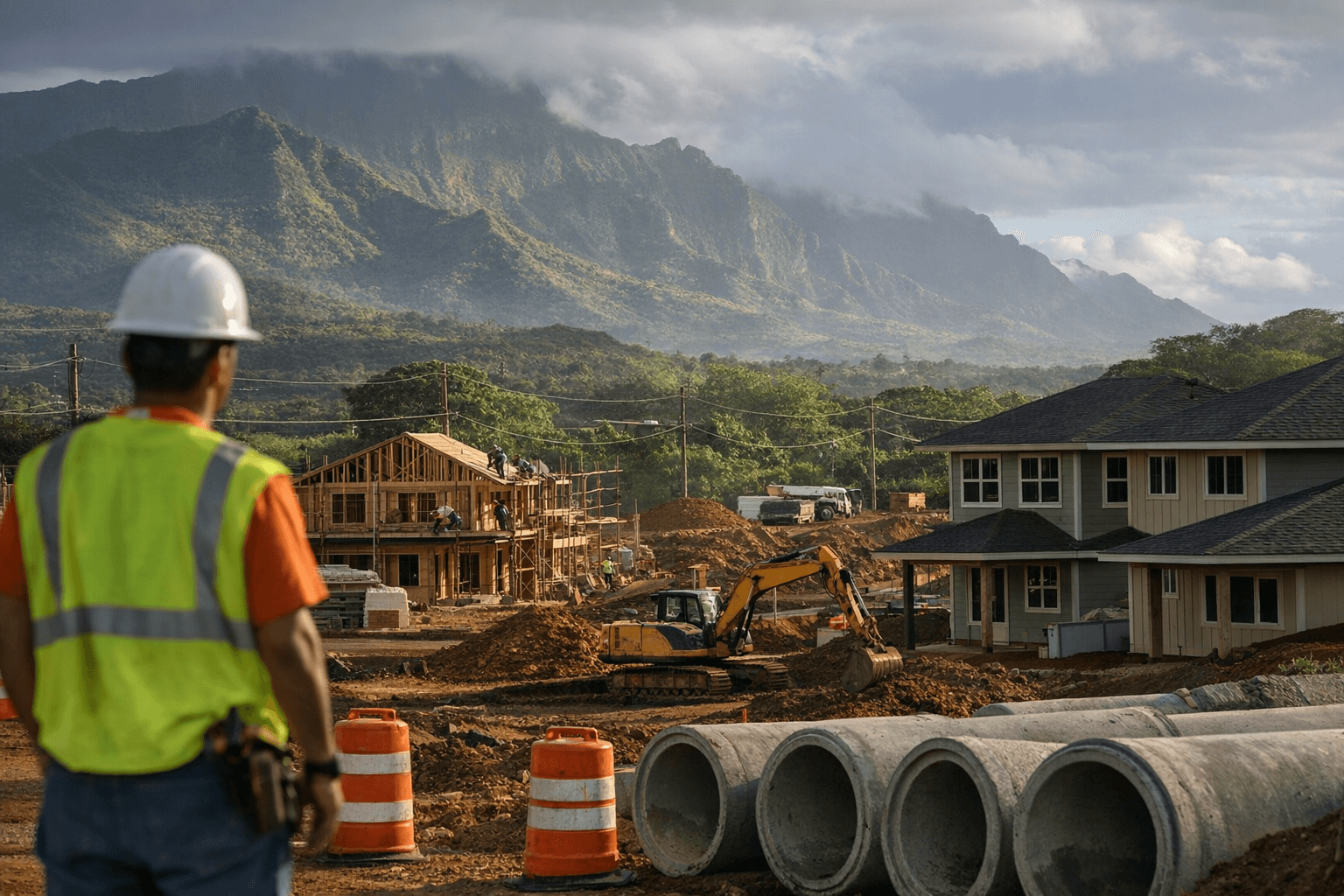
If the council approves the housing-linked infrastructure funding, the county would move into contracts, design work, and permitting. Those steps would generate construction jobs but also bring road disruptions as resurfacing and bridge repair projects proceed alongside site preparation. The council will hold public hearings before finalizing allocations, with advocates and opponents expected to press competing priorities between capital outlays and operating budget needs.
The 15-year timeline for 2,000 homes reflects the difficulty of building affordably on an island where construction costs run high and buildable land is scarce. Without county infrastructure investment leading the way, the math on developing hundreds of homes in master-planned communities does not work, and the Grove Farm acreage in Līhu'e sits undeveloped until the pipes and roads arrive first.
This article was produced by Prism’s automated news system from verified source data, official records, and press releases, then run through automated quality and moderation checks before publishing. The system is built and supervised by the people who set the standards it runs under. Read our full AI policy.
Did this article answer your question?