Kaumualii's feather cape returns to Kauai, displayed at Kauai Museum
King Kaumualii’s feather cape was back on Kauai for the first time in more than 200 years, now on view at Kauai Museum in Līhue.
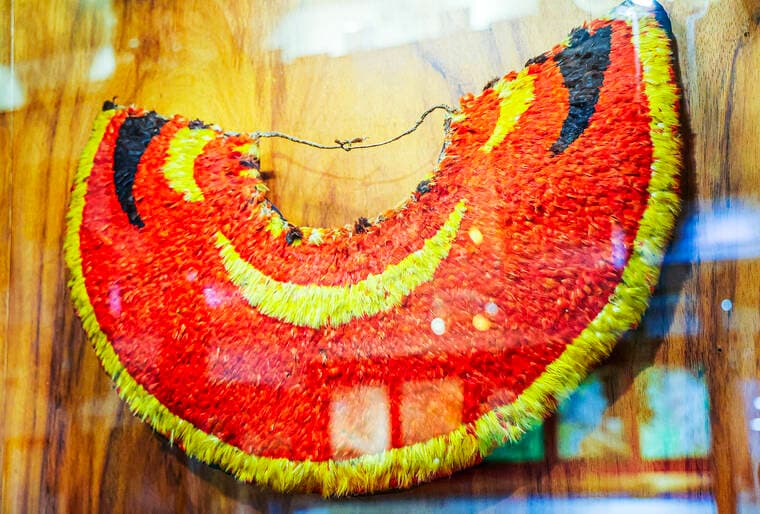
More than 200 years after King Kaumualii gifted it to Mercy Partridge Whitney, a feather cape tied to Kauai’s royal and mission history returned to the island and went on display at Kauai Museum in Līhue.
The ahuula was shown on June 4 alongside another historic feather cape, one gifted by Kamehameha IV to Surgeon W.H. Sloggett, giving visitors a rare chance to see two major pieces of Hawaiian history together. Museum Executive Director Chucky Boy Chock said the cape was gifted to the museum for safekeeping by the Wichman and Goodale families, descendants of Mercy Whitney, after it was repatriated this year from Berkshire Museum.
The return closed a long circle that began when Mercy Whitney, the first American Protestant missionary woman to live on Kauai, arrived in Hawaii in 1820 with her husband, Samuel Whitney. The couple lived in Waimea, then the island’s capital, while helping establish mission stations and schools across Kauai. Kaumualii gave Mercy the cape in recognition of her work as a teacher, linking the garment to both chiefly authority and the island’s early education network.
A federal notice in December 2025 said Berkshire Museum identified the object as an ahuula and determined it had been gifted to the Berkshire Athenaeum by Clara E. Bidwell of Pittsfield in 1877 before being transferred to Berkshire Museum in 1906. The notice also said the museum lacked sufficient documentation to establish right of ownership or lineal descent, which made Mercy Whitney’s journals and family records essential to the repatriation effort.
That documentation was unusually strong. Mercy P. Whitney’s journal and letters span March 10, 1820 to March 15, 1870 and are held in Honolulu by the Mission Houses Museum and the Hawaiian Mission Children’s Society. Scholarly work has also noted that Mercy and Samuel Whitney may have served as models for the missionary characters in James Michener’s Hawaii, a reminder of how deeply the couple has been woven into popular memory of the islands’ early 19th-century history.
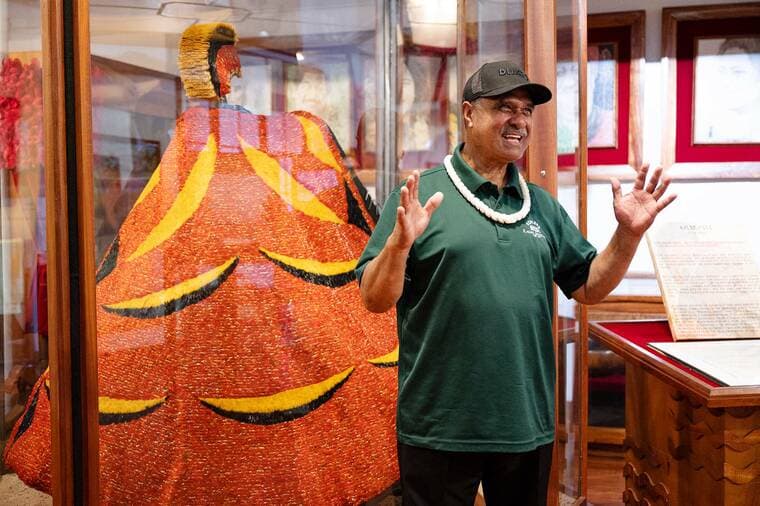
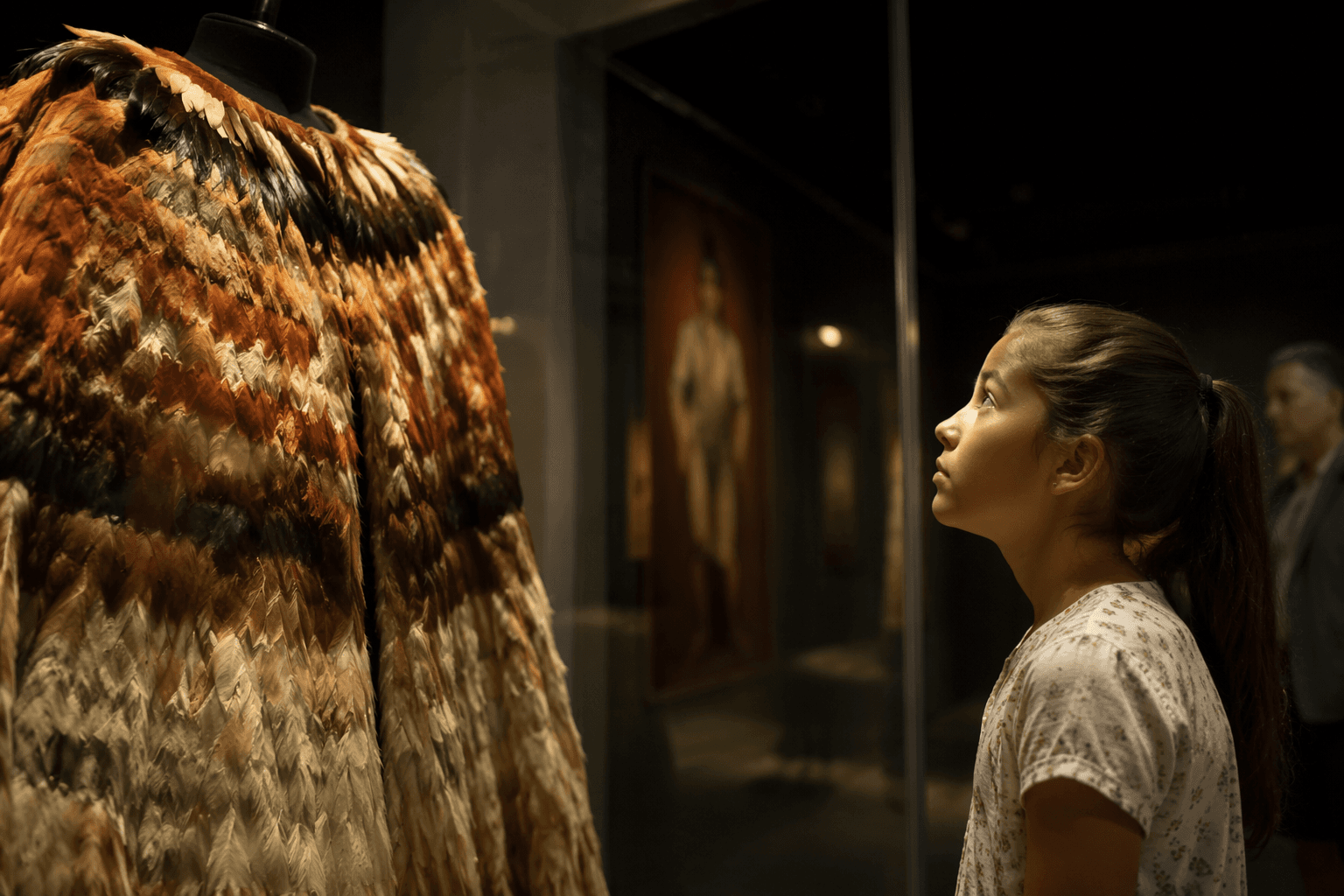
For Kauai, the cape carries more than royal symbolism. Hawaiian feather capes, or ahuula, were symbols of the highest rank of the alii class, and seeing one back on the island turned the display into a lesson in sovereignty, teaching, and stewardship. Kauai Museum, founded in 1954 and opened in 1960, said Saturdays are free for Kauai and Niihau residents, with the board also considering whether to extend that courtesy to Neighbor Island residents. For local families and students, the return turned an artifact once kept far from home into a living part of Kauai’s public history.
This article was produced by Prism’s automated news system from verified source data, official records, and press releases, then run through automated quality and moderation checks before publishing. The system is built and supervised by the people who set the standards it runs under. Read our full AI policy.
Did this article answer your question?