UH asks Kauai growers, gardeners to weigh in on fruit flies
UH is asking Kauai growers and gardeners to report fruit fly problems by June 30. The pests hit more than 400 crops and cost Hawaii agriculture about $300 million.
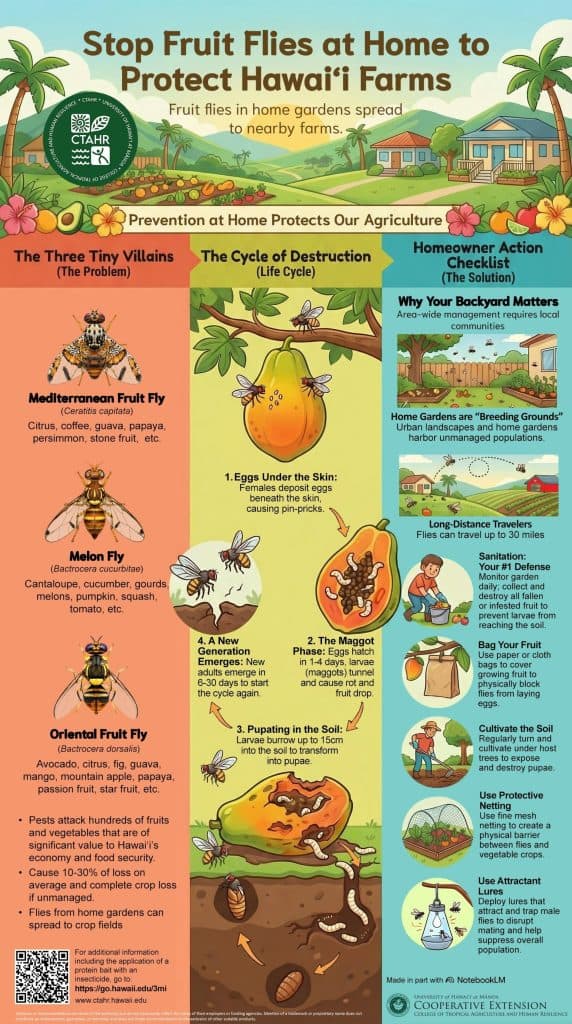
Kauai growers and home gardeners are being asked to weigh in now, as the University of Hawaii at Mānoa’s College of Tropical Agriculture and Human Resilience tries to sharpen fruit fly control across the islands. The statewide survey runs through June 30 and is meant for farmers, landscapers, home gardeners and other stakeholders, with field studies already underway on Kauai, Hawaii Island, Maui and Oahu. CTAHR says the stakes reach far beyond backyard fruit trees: invasive fruit flies damage more than 400 varieties of fruits and vegetables in Hawaii and are estimated to cost local agriculture about $300 million.
The practical ask is simple: take the survey and describe what you are seeing on the ground. CTAHR assistant professor and Extension entomologist Pascal Aigbedion-Atalor said, “Community voices are a major part of this food security project,” and added, “We want hundreds of responses from stakeholders across the state to ensure our future research and outreach meet the needs of our farming community.” The university says it is also stepping up workshops and instructional videos on sanitation practices and proper bait use, part of a broader initiative funded by the Hawaii Department of Agriculture and Biosecurity.
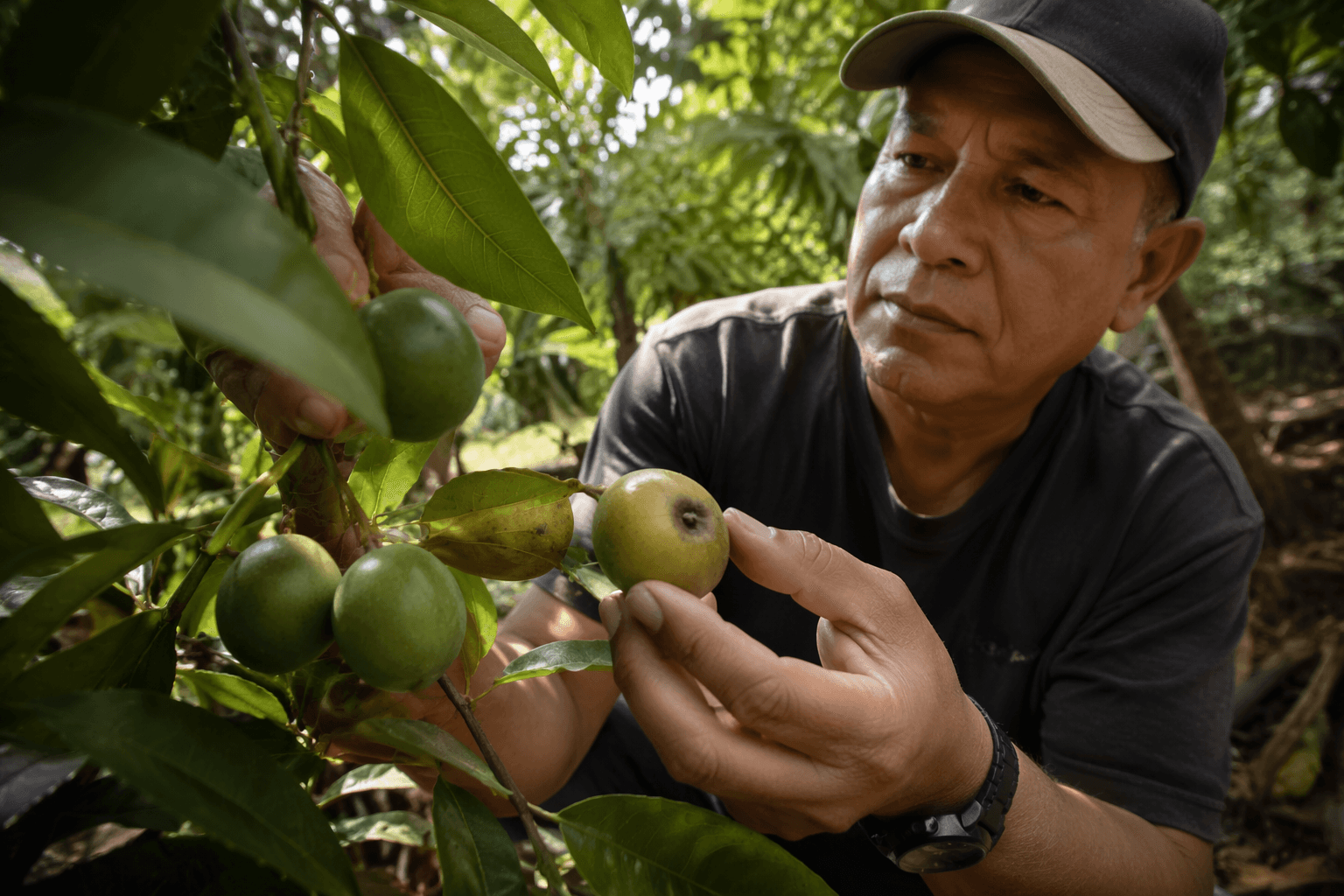
Residents watching fruit trees for trouble should look for the damage fruit flies leave behind: eggs laid in fresh flesh, fruit that turns soft and mushy, and wriggling white larvae inside very ripe fruit such as guava. CTAHR says an infested piece of fruit can hold hundreds of eggs or larvae, and that pesticide sprays on fruit do not kill them. The first defense is sanitation, which means getting infested fruit out of the system before the next generation emerges.
That local vigilance matters because Hawaii is the only U.S. state under a full federal fruit fly quarantine, and the Hawaii Invasive Species Council says all four established species, melon fly, Mediterranean fruit fly, oriental fruit fly and solanaceous fruit fly, are found on all islands. CTAHR and USDA materials say fruit flies have been a serious pest here since about 1895, can occur from sea level to above 7,000 feet, and have long driven coordinated suppression efforts. USDA’s Hawaii Fruit Fly Area-Wide Pest Management Program began in 1999 to push populations below economic thresholds and cut organophosphate use, and a USDA study reported substantial reductions in fruit infestation in treatment areas. For Kauai, the research is a reminder that protecting island-grown produce depends on early detection, fast sanitation and neighbors working from the same playbook.
This article was produced by Prism’s automated news system from verified source data, official records, and press releases, then run through automated quality and moderation checks before publishing. The system is built and supervised by the people who set the standards it runs under. Read our full AI policy.
Know something we missed? Have a correction or additional information?
Submit a Tip