Coeur d’Alene budget outlook improves, but long-term shortfall remains tight
Coeur d’Alene’s deficit forecast fell to $1.12 million, easing pressure on city services, but reserves still trail the 25% benchmark.
Coeur d’Alene’s finances looked better on Monday, but the relief was modest: a smaller deficit may reduce the odds of deeper cuts to staffing and services, yet the city is still leaning on reserves and still facing a structural gap that could hit taxpayers later.
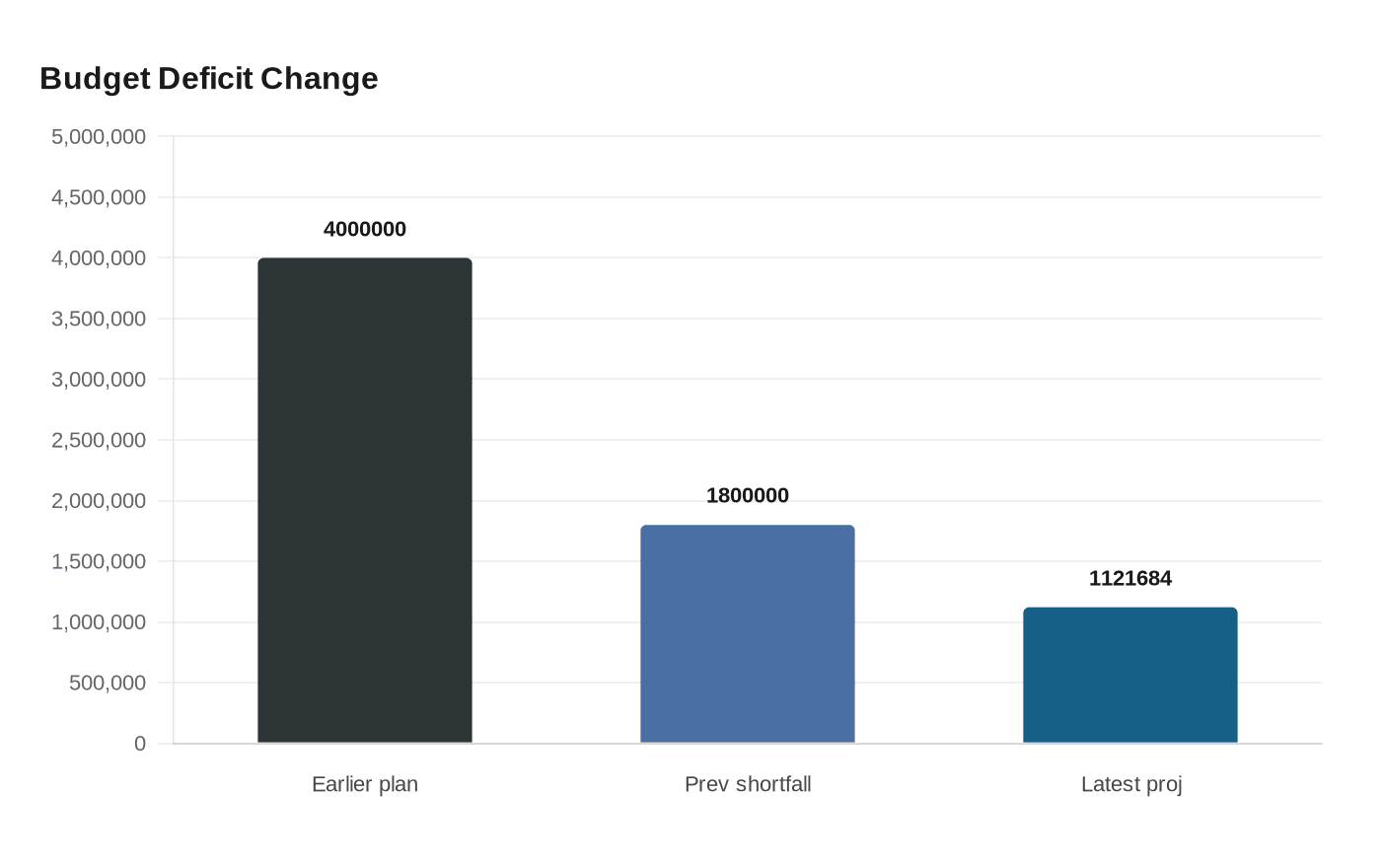
Interim City Administrator Ron Jacobson convened the City Council and other city leaders for a budget update in the Library Community Room at 702 E. Front Ave., where Finance Director Katie Ebner said personnel savings are expected to trim the city’s projected general-fund deficit to $1,121,684. That is down from a $1.8 million shortfall and far below the $4 million deficit that had been built into earlier planning. The city’s presentation said the FY2024-2025 annual audit is still pending, but preliminary results point to a $1.65 million decrease in fund balance, with no material variances identified and no council action recommended based on results to date.
The immediate picture is not a cash emergency. Ebner said current spending and cash flow are tracking normal seasonal patterns, which means the sharper concern is what happens if annual shortfalls continue and personnel costs keep rising. The city has described those labor costs as growing by about $1.3 million per year, enough to keep pressure on a budget that has already relied on one-time savings from vacancies and retirement timing.

That pressure has been building for months. In September 2025, the council approved a $151.9 million budget for fiscal year 2025-26 that included the allowable 3% property tax increase plus 1% of foregone taxes. The budget projected $27.1 million in property tax revenue, or 48% of operational revenue, and planned to use $1.8 million from the general fund balance. At that point, the city projected an unassigned fund balance of about $11.2 million, roughly 19% of general-fund expenditures, below the Government Finance Officers Association’s 25% benchmark.
The latest update suggests the cushion still exists, but it is not comfortable. Ebner said the city’s reserve level is about 28% of operating costs, which is above the recommended benchmark, but that margin could erode quickly if revenues do not keep pace. In one scenario discussed by city officials, applying a 3% tax increase and 1% in forgone taxes each year from 2026 through 2029 could drive reserves down to about 16% by the end of that period.
For residents, the practical question is whether the city can protect police, fire and day-to-day services without asking for more. In July, Ebner said a $1 million taxable-value home would see about an $8.15 monthly increase under the tax structure the city was using. She also said the only way the city could increase revenue was through property taxes and urged conservative wage growth and continued vacancy management. Those tradeoffs remain on the table, even after Monday’s better-than-expected mid-year update.
This article was produced by Prism’s automated news system from verified source data, official records, and press releases, then run through automated quality and moderation checks before publishing. The system is built and supervised by the people who set the standards it runs under. Read our full AI policy.
Did this article answer your question?