Coeur d’Alene panel explores artful bus stops to boost Citylink use
Artful bus stops could make Citylink easier to use, while giving Coeur d’Alene corridors a sharper civic identity and a possible boost in foot traffic.
Bus stops as a civic upgrade
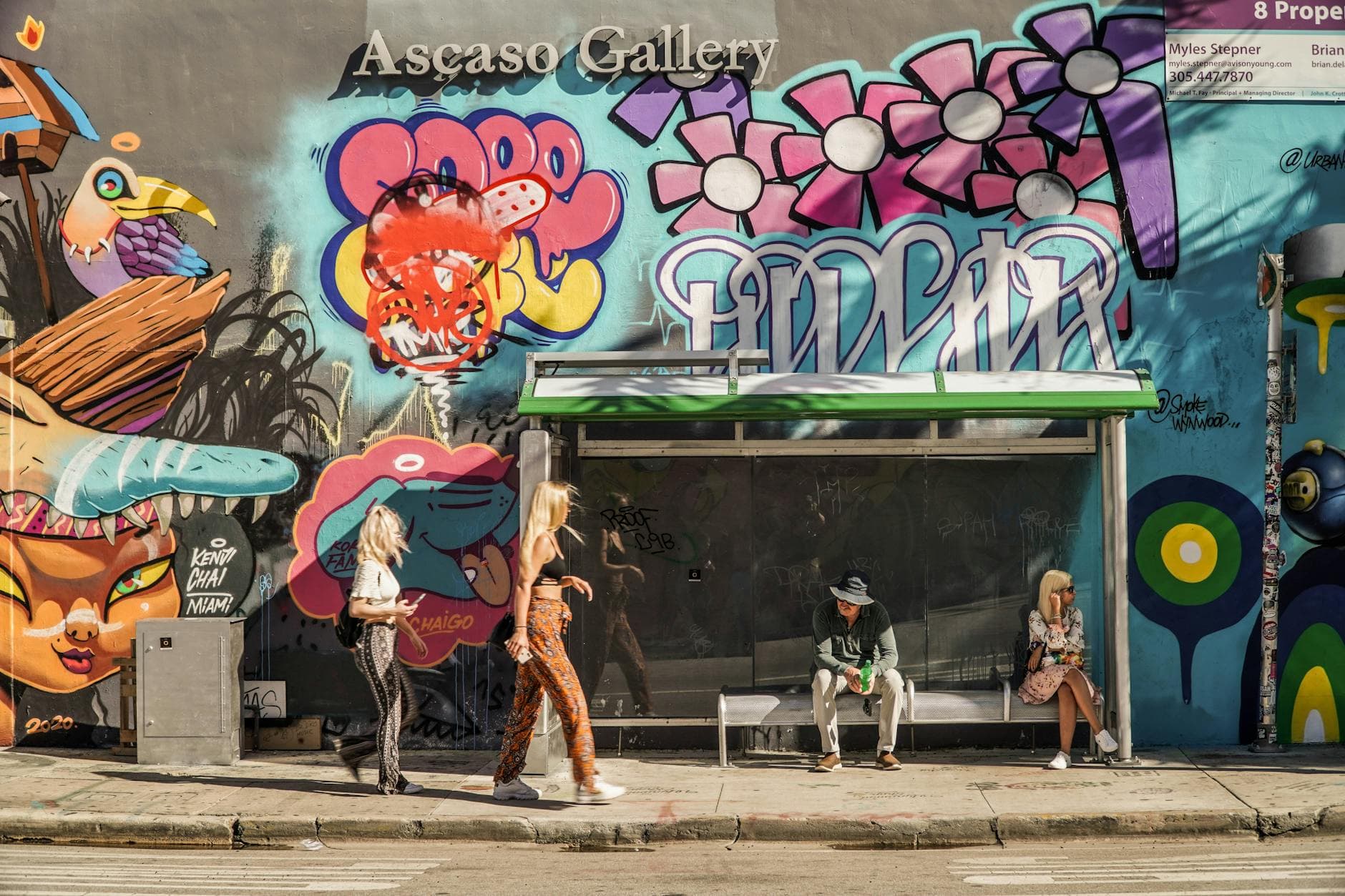
A plain bus stop may not sound like a growth strategy, but that is exactly how Coeur d’Alene officials are treating it. The idea under discussion would pair basic transit improvements, such as better signage, seating, and weather protection, with local art and architectural details so Citylink feels more visible, more welcoming, and more useful for everyday riders.
That matters in a county where growth is no longer abstract. Kootenai County has been absorbing more residents, more cars, and more pressure on roads built for a smaller region, and the bus stop concept is being framed as one practical way to respond. If riders can spot a stop more easily, wait more comfortably, and see transit as part of the city’s design rather than an afterthought, the payoff could reach beyond buses into nearby business districts and public spaces.
What the arts commission is considering
The Coeur d’Alene Arts Commission took up the idea after a presentation from Lynn Fleming, who argued that transit stops can do more than mark a place to wait. Her pitch connected transportation design with the city’s visual identity, suggesting that stops can be functional infrastructure and civic art at the same time.
The commission liked the concept enough to form a four-member subcommittee to keep developing it. That is a notable shift: it moves the proposal from a general discussion about improvement into a more structured planning process, where details such as placement, design standards, and cost would eventually have to be sorted out. The commission itself has deep local roots, having been formally established in 1982 by Ordinance No. 1709 to stimulate and encourage interest and participation in the arts.
How Citylink works now
Citylink is not a small or peripheral service. Kootenai County serves as the transit authority for the system, and the urban network reaches Coeur d’Alene, Dalton Gardens, Hayden, Huetter and Post Falls. The Kootenai County Metropolitan Planning Organization describes the urban routes as A, B and C, giving the system a simple structure that many riders already depend on.
County transit pages say all regular bus routes originate and terminate at the Riverstone Transit Center, making that hub a key part of how the system functions. The county also says the service includes ADA paratransit for riders who qualify based on their functional ability to use the fixed-route system. That complementary service is available within three-quarters of a mile of regular route service, which makes the design of fixed stops especially important because it affects both the main network and access for riders with mobility limitations.
Why the stop design could matter beyond transit
The practical case for better bus stops is not only about aesthetics. Better lighting, clearer signs, and weather protection can make transit easier to use for people who might otherwise drive, especially in a region where convenience often determines whether a service gets used. If stops are legible, comfortable and placed with care, they can lower the friction that keeps occasional riders from becoming regular ones.
There is also a business-side argument. Transit stops that feel intentional can bring more people into walkable corridors, and more foot traffic can help nearby shops, offices and service businesses. In that sense, the proposal is not just about decorating public property. It is about whether a bus stop can become part of a more active street life in places that benefit from predictable movement and visible civic investment.
Growth is changing the transportation equation
The broader backdrop is hard to ignore. The 2020 Census counted 171,362 residents in Kootenai County, a 23.7% increase from 2010, and more recent Census estimates place the county at 188,323 residents. That kind of growth brings more vehicle counts, more strain on roads and highways, and more pressure to make every transportation investment do multiple jobs.
County planning documents already reflect that reality. Kootenai County’s 2020 Metropolitan Transportation Plan is intended as a multimodal blueprint for regionally significant projects through 2040, which shows that local officials are not thinking only about today’s commute but about how people will move across the county for years to come. In that context, a redesigned bus stop is small in scale but strategically aligned with bigger planning goals.
The funding and partnership structure behind Citylink
Citylink also sits inside a broader partnership model. County transit pages say grant matching funds come from the county and participating cities, with partnership investment from the Coeur d’Alene Tribe, Kootenai Health and the Area Agency on Aging. That mix of public and institutional support underscores that the transit system is woven into the county’s daily infrastructure, not just a standalone municipal service.
The system’s monthly ridership reports, published through KMPO, show that Citylink is active enough to track urban and rural use month by month. That kind of reporting matters because it gives local leaders a baseline for judging whether a change in stop design actually affects ridership, instead of relying on impressions alone. If the arts commission and transit planners move ahead, they will have a real system to measure against.
What to watch next
The subcommittee’s work will determine whether this becomes a modest beautification project or a more concrete transit investment. Any serious version of the plan will have to answer practical questions about where redesigned stops go, how they fit the street, what features are included, and how they connect to existing routes that begin and end at Riverstone Transit Center.
For Kootenai County, that makes the proposal more than a design exercise. It is a test of whether a fast-growing city can use a small public-space improvement to make Citylink easier to notice, easier to use, and better aligned with the identity it wants to project.
This article was produced by Prism’s automated news system from verified source data, official records, and press releases, then run through automated quality and moderation checks before publishing. The system is built and supervised by the people who set the standards it runs under. Read our full AI policy.
Did this article answer your question?