Idaho Confirms First White-Nose Syndrome Cases in Bats, Including Kootenai County
A bat collected in Kootenai County tested positive for white-nose syndrome, part of Idaho's first-ever confirmed cases of the deadly fungal disease.
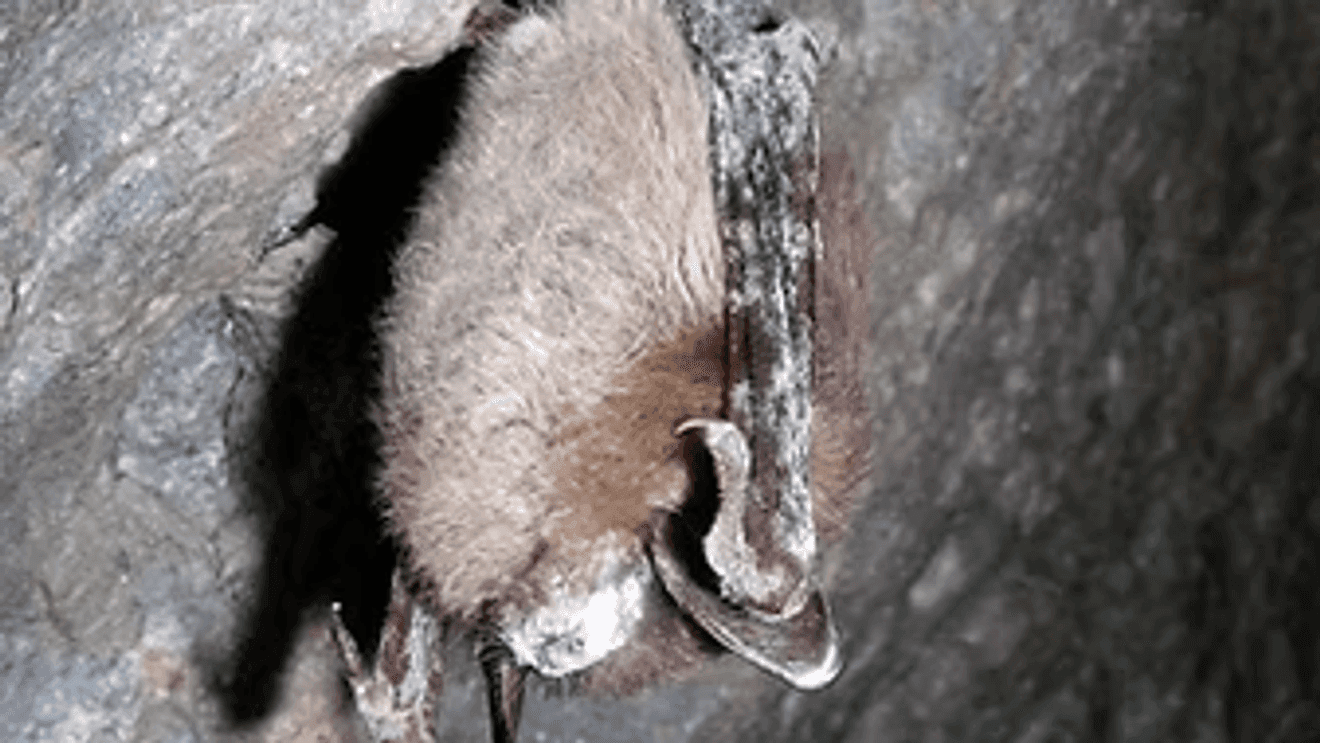
A bat collected in Kootenai County this year has tested positive for white-nose syndrome, one of three northern Idaho bats confirmed with the disease in the state's first-ever diagnosis. The Idaho Department of Fish and Game announced the laboratory confirmation on March 12, with testing conducted by the U.S. Geological Survey National Wildlife Health Center in Madison, Wisconsin.
The three positive cases include a little brown myotis and a long-eared myotis, also known as a western long-eared bat, both collected in Bonner County in 2025, and the Kootenai County bat collected in 2026 that is still awaiting final species identification. White-nose syndrome is caused by the fungus Pseudogymnoascus destructans, known as Pd, which attacks the skin of hibernating bats and has killed millions of bats across North America since first appearing in 2006.
"We're extremely concerned, but not surprised by this discovery," said Rita Dixon, Idaho Fish and Game's State Wildlife Action Plan Coordinator, noting that the fungus and the disease have been documented in neighboring states for years.
The confirmation marks a significant escalation from earlier detections in Idaho, where wildlife officials had found the fungus present but had not previously documented the full disease. In October 2021, a joint sampling effort by Fish and Game, the U.S. Forest Service, and the USGS at Minnetonka Cave in Bear Lake County found six of 33 swabbed bats positive for Pd, marking the first detection of the fungus in Idaho. Those six bats represented three species: little brown myotis, long-legged myotis, and Yuma myotis. A silver-haired bat in Power County tested positive for Pd in 2024, and in 2025, two Californian myotis bats in Kootenai and Clearwater counties also carried the fungus but showed no clinical signs of disease. The distinction matters: scientists confirm white-nose syndrome only by examining a bat's skin under a microscope, not merely by detecting fungal presence.
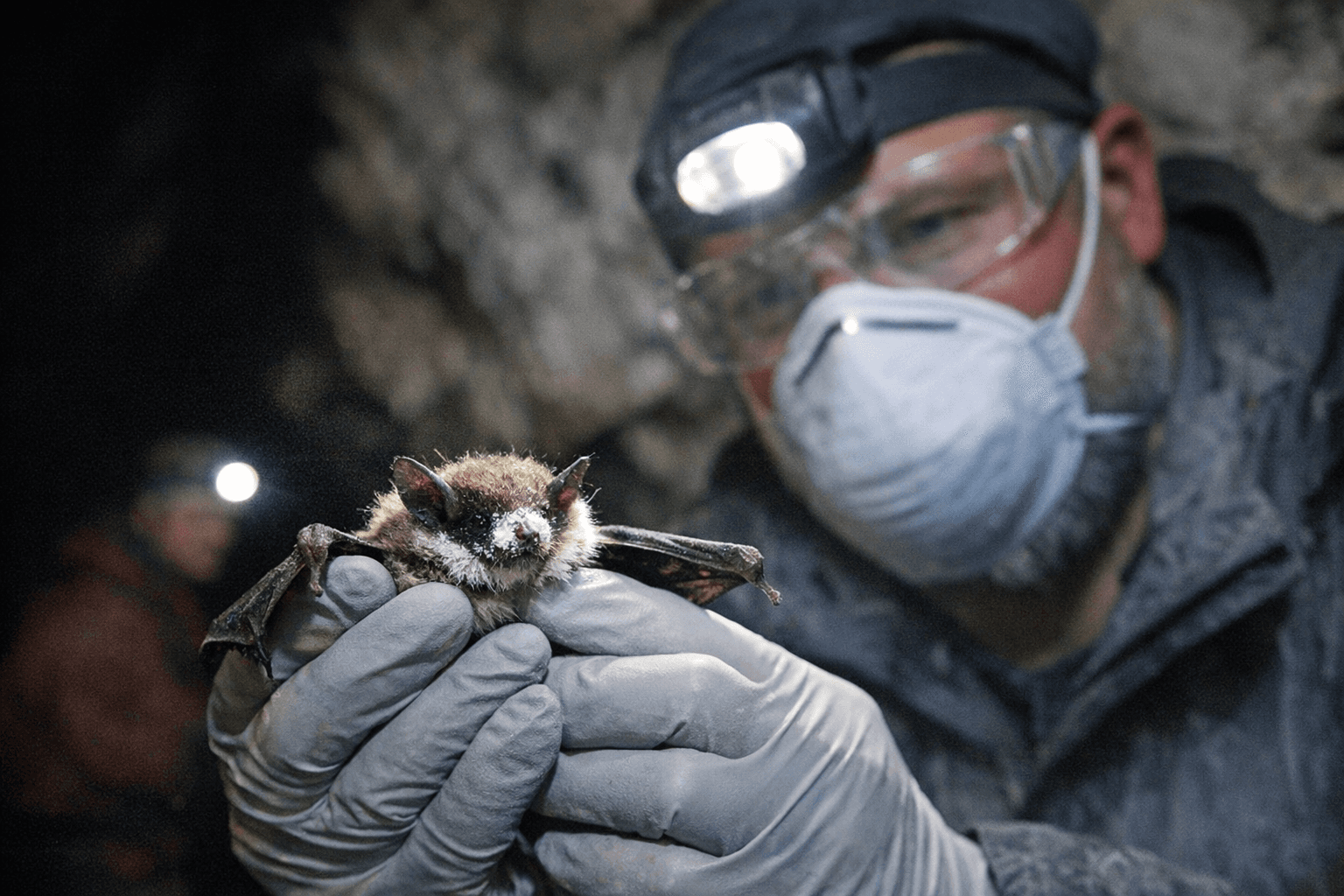
The stakes for Idaho's bat populations are substantial. A 2011 study estimated that bats provide roughly $313 million per year in pest-control benefits to Idaho agriculture by consuming insects, including crop and forest pests. Fish and Game has monitored for white-nose syndrome since 2009 and is currently evaluating response tools, including potential vaccines, to limit the disease's spread.
The fungus can travel between sites on contaminated clothing, footwear, or equipment, in addition to spreading through direct contact between bats. Fish and Game is asking anyone who finds five or more sick or dead bats in one location to report the die-off to the agency. The public should not handle bats and should keep children and pets away from them. Biologists are also interested in reports of increased bat activity in areas where bats have not previously been seen, which can help identify important roosting habitats across the region.
The Kootenai County bat's species identification remains pending, and the full scope of the disease's presence in northern Idaho will depend on continued surveillance in the months ahead.
Know something we missed? Have a correction or additional information?
Submit a Tip