JFAC Considers 10 Undergraduate Seats, 15 Residencies to Combat Idaho Physician Shortage
Lawmakers weighed adding 10 undergraduate medical seats and 15 residency spots to tackle Idaho’s physician shortage, a move that could ease access to care in Kootenai County.
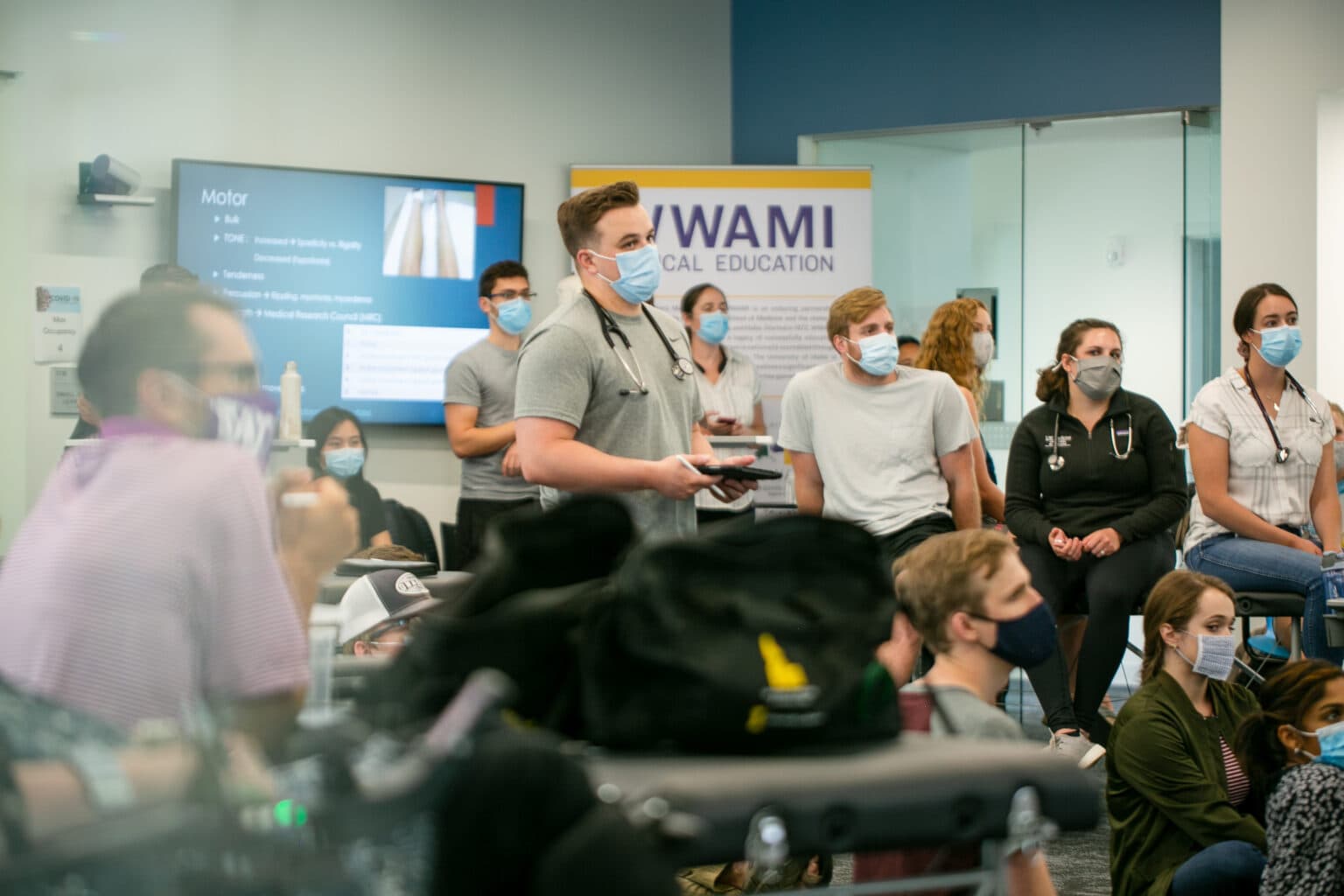
A state working group told the Joint Finance-Appropriations Committee that Idaho faces a severe physician shortfall, estimating the state needs roughly 1,400 more doctors now and about 1,800 by 2030 to reach the national average. The Idaho Undergraduate Medical Education Working Group presented options to expand medical training capacity, a proposal with direct implications for patients across Kootenai County and the Idaho Panhandle.
Representative Dustin Manwaring presented the data to JFAC on January 18, 2026, and outlined the working group’s recommendations: keep the State Board of Education’s 50 undergraduate medical seats in place, add 10 non-WWAMI undergraduate seats (non-University of Washington), and fund 15 new graduate medical education residency positions. The combined approach targets both the entry point into medical school and the residency years that often determine where physicians establish their practices.

Two pathways were discussed for creating the 10 additional undergraduate seats. One option would purchase seats from the Idaho College of Osteopathic Medicine (ICOM); the other would expand affiliation with the University of Utah. Cost estimates for the next fiscal year were described as being in the mid-hundreds of thousands of dollars, with further appropriations needed to coordinate clinical placements for students across the state.
Legislators raised concerns about rural access and physician retention, highlighting that simply increasing class sizes does not guarantee long-term coverage in small towns and fronter communities. Funding for residency slots is central to the working group’s strategy because physicians often settle near residency programs, so creating training positions in Idaho is intended to increase the chances doctors will remain in-state after completing training.
For Kootenai County residents, the proposals could slowly improve access to primary care and specialty services in Coeur d’Alene, Post Falls, Hayden, and surrounding rural areas. Expanding medical education and residency capacity aims to build a pipeline of clinicians with ties to Idaho communities, which public health officials and rural hospitals have long said is crucial to reducing travel times for routine care and emergency services.
The recommendations now sit with JFAC and the full Legislature, and it remains uncertain whether lawmakers will approve the requested funding. If appropriations move forward, implementation will require coordination between medical schools, hospitals, and clinical sites to place students and residents where they can receive hands-on training.
What comes next for patients in Kootenai County depends on budget decisions in Boise and on whether the state pairs seat expansion with targeted retention efforts. Even if funded, the changes would take years to translate into more doctors in clinic doors, but they represent a concrete step toward addressing a shortage that has reshaped health care access across North Idaho.
This article was produced by Prism’s automated news system from verified source data, official records, and press releases, then run through automated quality and moderation checks before publishing. The system is built and supervised by the people who set the standards it runs under. Read our full AI policy.
Did this article answer your question?


