Minera Alamos fast-tracks Copperstone mine plan after positive study
Copperstone’s new study points to a faster restart near Quartzsite, but permits, public objections and the Mine Plan still shape what La Paz County sees next.
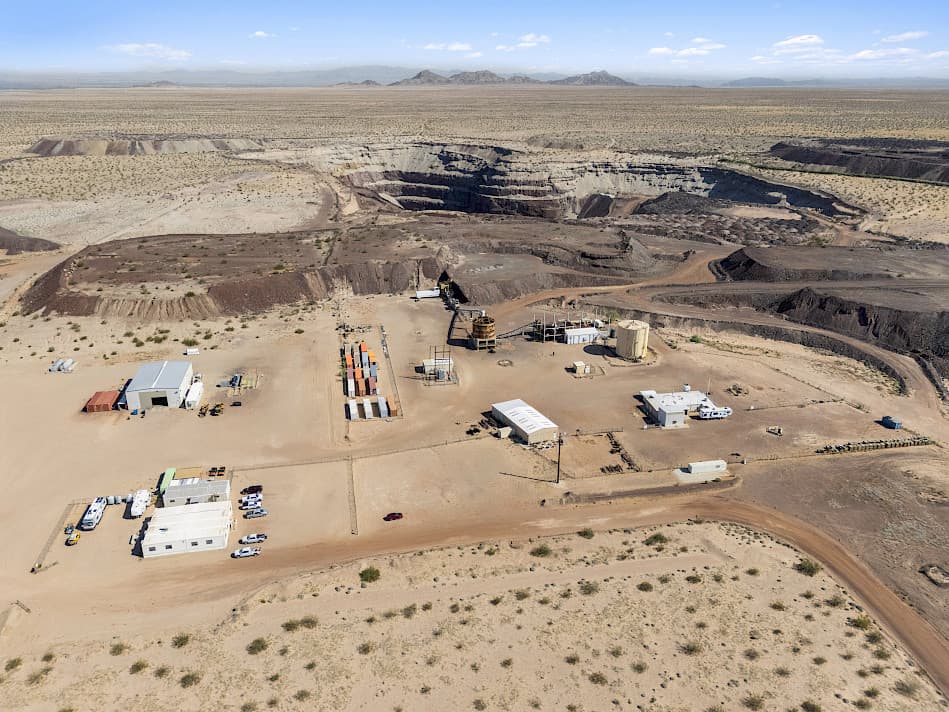
Minera Alamos has pushed its Copperstone gold project closer to a restart in La Paz County, but the bigger story for Quartzsite, U.S. Route 95 and the surrounding county road network is what comes next: permits, hauling, water planning and whether the company can turn a positive study into approved construction.
The company said its new pre-feasibility study supports a fast-track path to development at the past-producing site about nine miles north of Quartzsite along U.S. Route 95, with Interstate 10 providing regional access. Minera Alamos said Copperstone now carries measured and indicated resources of 4,054 thousand tonnes grading 4.83 grams per tonne gold, or about 630,000 ounces of gold, a 110% jump in contained ounces from the prior estimate.
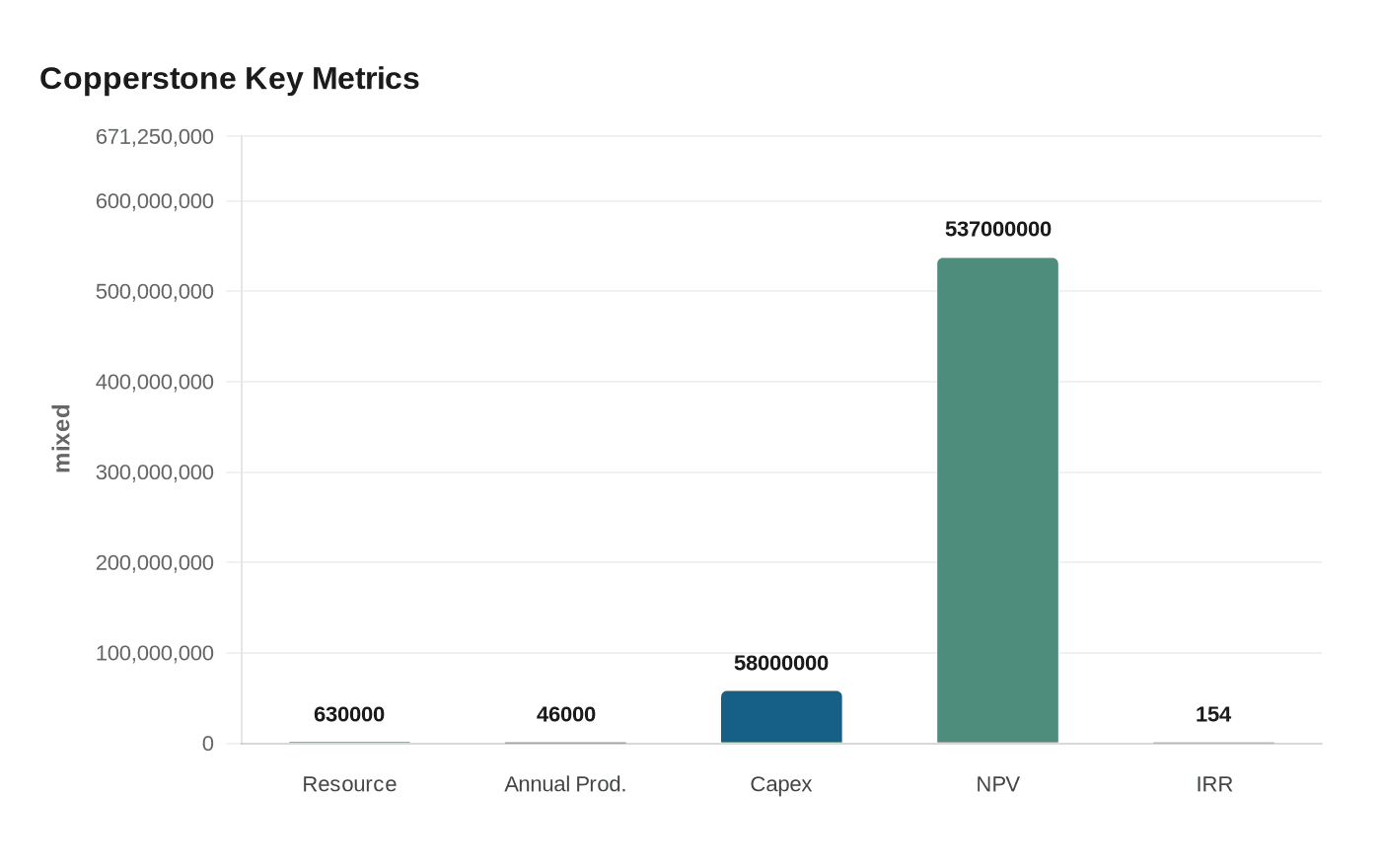
The study outlines an initial mine life of 6.3 years, average annual production of 46,000 ounces of gold, total cash costs of $1,070 per ounce and all-in sustaining costs of $1,314 per ounce. Minera Alamos said initial capital spending would be $58 million, construction would take about one year, and first gold production could come by mid-2027. At a $4,500 gold price, the company said Copperstone carries an after-tax net present value of $537 million and an internal rate of return of 154%.
For La Paz County, that scale matters well beyond geology. A mine plan that moves from study stage to construction would likely mean more contractor work, engineering jobs, truck traffic, lodging demand and fuel sales around Quartzsite, while also adding pressure on county services and the roads that connect the site to Interstate 10 and U.S. 95. The company said it expects to file the NI 43-101 technical report within 45 days, and that report will be one of the next checkpoints before any larger shift on the ground.
Copperstone’s land position also gives the project a long footprint in western Arizona. Minera Alamos says the property covers about 3,700 hectares and includes 546 federal unpatented mining claims held through long-term lease agreements. The company said Copperstone previously produced 514,000 ounces of gold from 1987 to 1993 through open-pit mining and heap leaching, then ran underground mining from January 2012 to July 2013 after a flotation mill was built in 2011. The site includes two underground portals and about 4,000 meters of underground development.
The public still has leverage through the permitting process. In July 2025, Minera Alamos said it had submitted final amendments to the Mine Plan of Operations and that site development could begin in parallel under existing permits. In June 2025, the Center for Biological Diversity petitioned the U.S. Environmental Protection Agency to object to the final renewed Class I Title V operating permit for the Copperstone Gold Mine, underscoring that air and operating permits remain a live issue. That matters because Title V allows public petitions after comment periods, giving residents, landowners and environmental groups another point of entry before construction becomes a full-scale reality in La Paz County.
This article was produced by Prism’s automated news system from verified source data, official records, and press releases, then run through automated quality and moderation checks before publishing. The system is built and supervised by the people who set the standards it runs under. Read our full AI policy.
Know something we missed? Have a correction or additional information?
Submit a Tip